
Economy
Inflation in Spain spirals upwards to over 3% leading to increased pensions and wages
The consumer price index has climbed to a 16-month high due to rising electricity and transport costs, moving further away from the 2% target set by the European Central Bank

Madrid
Just when it seemed that inflation was under control after the frenetic surge that took it to an all-time high of over 10% in the summer of 2022, prices are once again spiralling out of control in this final stretch of 2025, reaching their highest level for this year, above the dangerous 3% barrier, a rate not seen since June 2024. This surge is pushing up pensions, which will be revalued next year by around 2.6% (approximately 35 euros more per month), and wages, at a time when the Spanish government has to decide how much the legal minimum income in Spain will increase by in 2026 (it will almost certainly exceed 1,200 euros per month). Meanwhile, trade unions and employers are now in the final leg of negotiations for a new wage increase agreement starting next year, so this uncontrolled price growth is putting even more pressure on the population to prevent further erosion of their purchasing power.
Inflation picked up again in October, increasing by one-tenth of a percentage point from September to 3.1%, according to data released this Thursday by Spain's INE national statistics institute. If this figure is confirmed, the worst in 16 months, it would mean that the disinflationary process that has been under way in recent years is losing momentum.
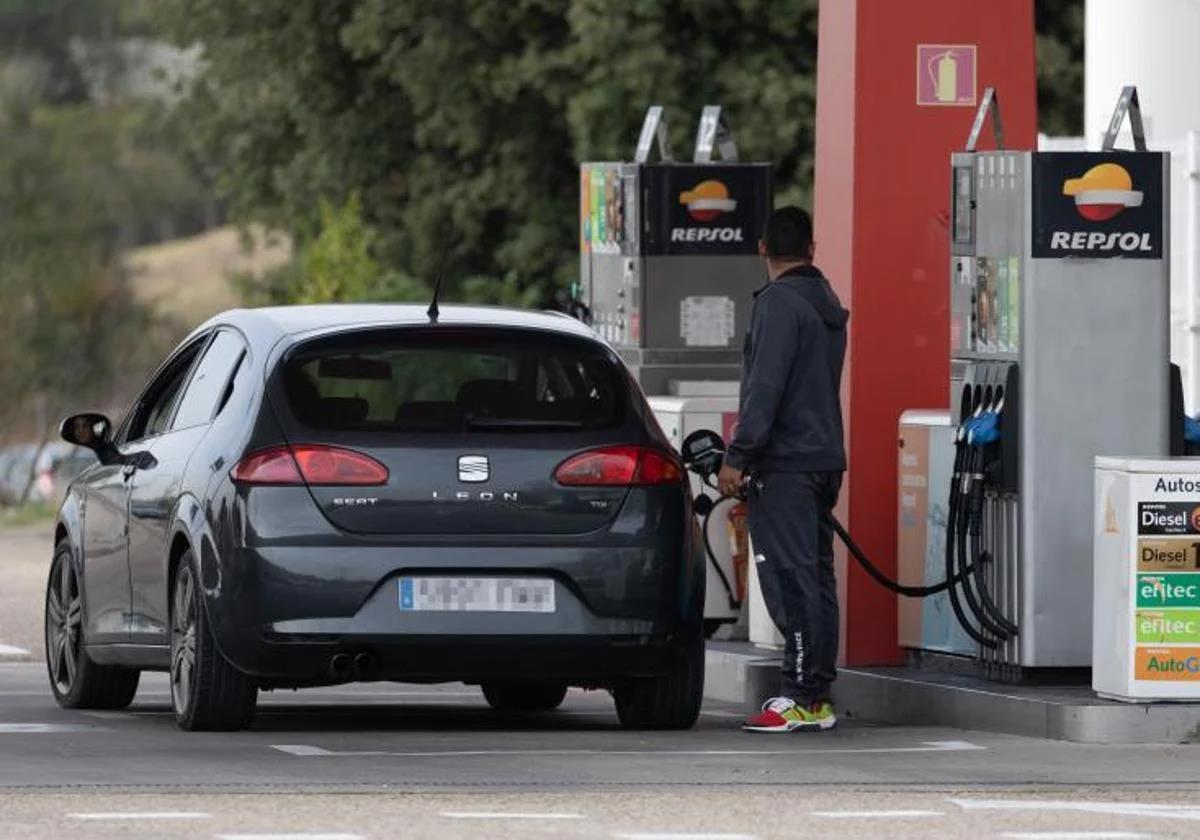
This increase is mainly due to higher electricity prices, as electricity bills have risen compared to a year ago as a result of the blackout (the system has had to be reinforced with gas supplies to prevent further outages), as well as the increase in air and rail transport prices, according to the INE. However, the institute also noted that these increases are partly offset by lower fuel prices. In fact, petrol prices plummeted yesterday, for the fifth consecutive month, falling by 4% compared to the end of the previous year, while diesel prices have dropped, for the third consecutive month, a 3.4% decrease.
With this one-tenth of a percentage point increase in October, the year-on-year CPI (consumer price index) has now risen for two consecutive months, following a three-tenths of a percentage point increase in September to 3%.
Far from 2%
Meanwhile, core inflation, which excludes the most volatile products such as energy and fresh food, also rose by one-tenth of a percentage point in October to 2.5%. If this increase is confirmed, it would reach its highest level since December 2024, when it stood at 2.6%, putting a strain on household budgets.
Therefore, Spain is moving away from the safe 2% target recommended by the European Central Bank (ECB) and is significantly exceeding the EU average of 2.2%. While Spain was one of the first countries to lower this threshold after the biggest rise in inflation in history, the new October spike is now widening the gap with Europe. The disinflation process could be hampered by the increased cost of imports from the United States and adjustments in supply chains, especially if trade fragmentation continues to escalate.
In line with this data, the UGT union yesterday took the opportunity to demand that this period of economic expansion in Spain be translated into "substantial" wage increases to recover and expand purchasing power. The trade union led by Pepe Álvarez warned that this upward trend is "detrimental" to workers' incomes.
"Inflationary expectations stemming from geopolitical tensions and the erratic trade policy of the US government, coupled with the opportunistic behaviour of large companies in the fuel and electricity sectors, explain the inflationary pressure," stated the UGT.
In any case, we will have to wait for the INE to publish the definitive CPI data for October on 14 November.
![[]](http://static.vocstatic.com/voc26/latest/assets/images/favicon/surinenglish/apple-touch-icon-57x57.png)