
Motoring
Data protection agency offers advice about 'connected' V-16 safety beacons, mandatory for vehicles on Spain's roads from 1 January
The electronic devices emit a bright, flashing light to warn other motorists of a hazard on the road and also send a notification - using mobile technology - to the DGT authority

Malaga
From 1 January 2026 it will be mandatory for the majority of vehicles to use the connected V-16 beacon to signal breakdowns or emergency situations on the road in Spain. But beyond its signalling functions, it will not allow the driver to be identified, nor will it share personal data or monitor their movements.
The Spanish Data Protection Agency (AEPD), has had to clarify the operation and processing of the data collected by the device connected to the Directorate-General of Traffic (DGT) systems.
Related story
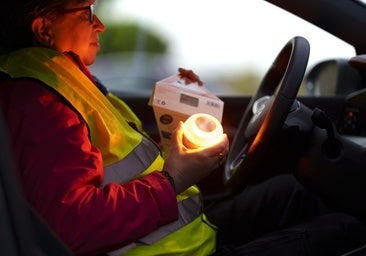
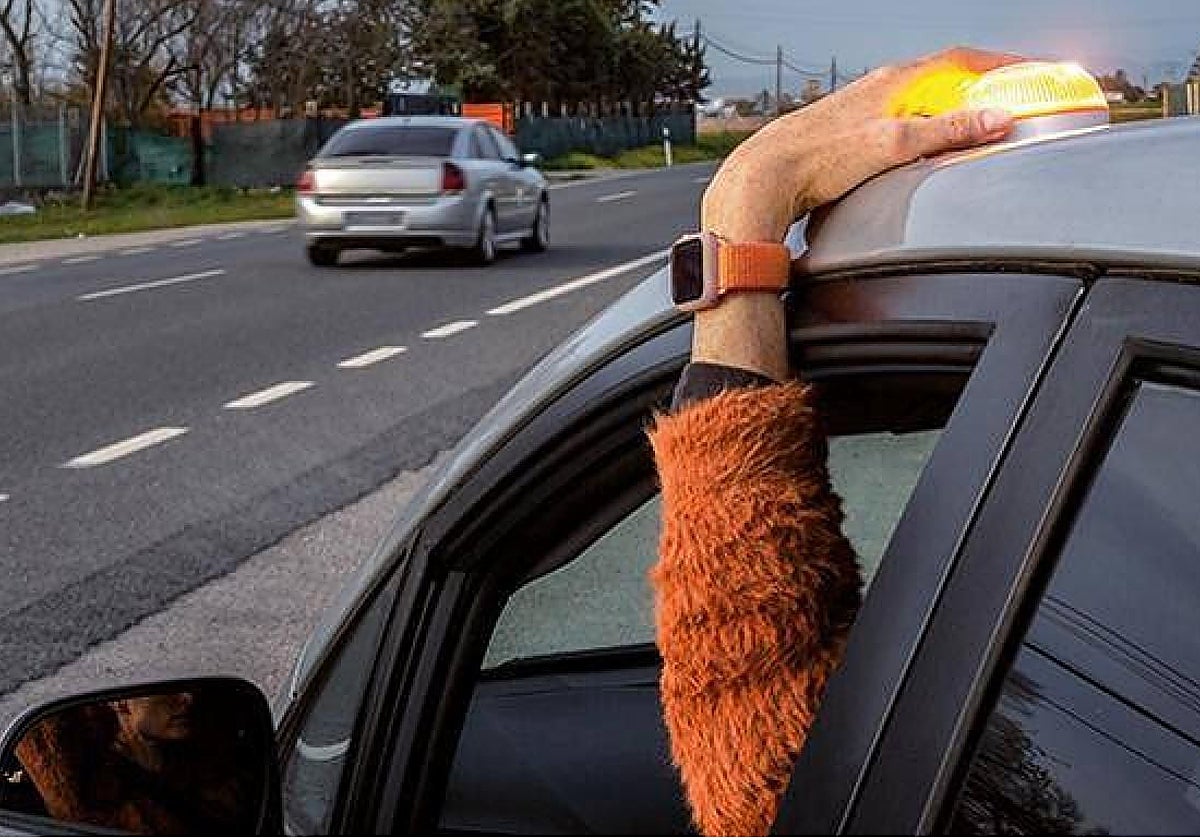
These electronic devices, which will replace the red triangles for signalling a vehicle immobilised due to an accident or emergency, need be magnetically attached to the highest part of the vehicle from where they will emit flashing lights to warn of the breakdown.
Apart from the visible light, the device also sends an automatic warning to road traffic information systems when it is activated and this communication transmits the location of the vehicle and a technical identifier of the device itself. "But this identifier is not associated with a person or number plate, with no record linking the device to the identity of the user," the AEPD has said.
The person who buys the beacon, the organisation has clarified, does not have to give their personal details to any administration when acquiring it, so the DGT would not know who has bought the device. "As long as it is not activated, the beacon does not transmit any data and - in the event of being activated in an emergency situation - the information sent would not allow us to know who the person driving is or to reconstruct their movements. The beacon emits a signal while it is switched on and stops when it is switched off, without generating movement histories or sending data continuously," the AEPD concluded.
The regulation stipulates that these devices are intended exclusively to make the vehicle involved in an incident visible and to send the location of an incident when activated, expressly prohibiting the incorporation of additional functionalities.
The compulsory use of the V-16 beacon is laid down in Royal Decree 159/2021 regulating roadside assistance services, as amended by Royal Decree 1030/2022.
![[]](http://static.vocstatic.com/voc26/latest/assets/images/favicon/surinenglish/apple-touch-icon-57x57.png)