
Housing
Collapse in supply causes first drop in house purchases in over a year
A total of 47,697 houses were sold in August, 3.4% fewer than in August 2024, the lowest figure since the pandemic, in the face of a demand that soars, as reflected in the mortgage increase
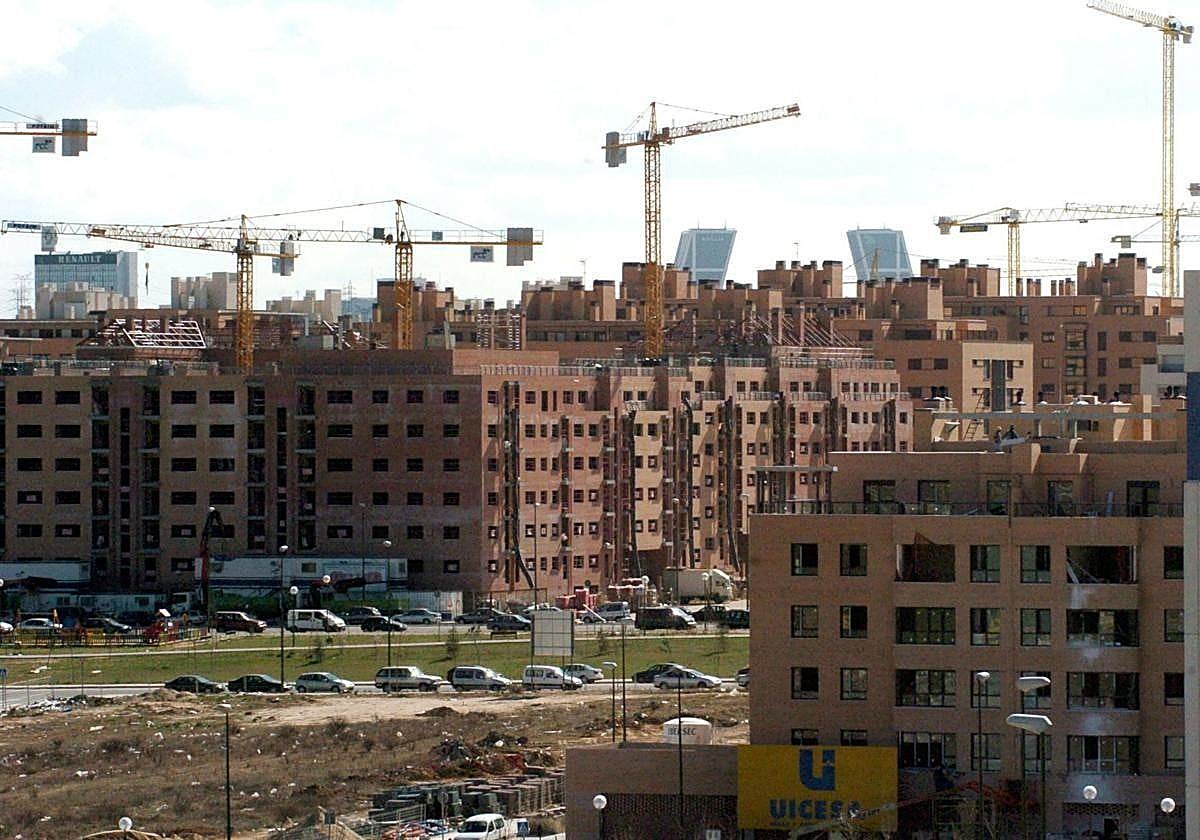

The first signs, albeit still moderate, of a possible slowdown in the real estate market are evident. The lack of supply, with a rate of construction that has not been able to keep up, and soaring prices have led to the first drop in home sales in the last 13 months. Specifically, 47,697 homes were sold in August, which is 3.4% fewer than last year. It is also the lowest figure since August 2020 - the height of the pandemic.
It is true that a single month's figure does not give the market a clear picture of the trend. "August is always an atypical month. What matters is annual growth: so far in 2025, the monthly average exceeds 60,000 sales, clearly above the figures from 2024," says Iñaki Unsain, general manager of ACV Gestión Inmobiliaria. It is also worth noting that the notaries' series, which usually anticipates the national institute of statistics' data, had already shown negative results in May and July.
Although the annual figure remains at record highs, August numbers are a perfect indicator of the tense situation in the sector. "Although this is not a big drop, it is relevant, as the market has not seen negative year-on-year figures since July last year. The drop is most evident in second-hand housing, which fell by 5%, while new construction, which represents 21% of total, increased by 3% compared to the same period last year," says Ferran Font, director of studies at Pisos.com.
In any case, the pace of new construction is not enough to cover the increase in demand, largely due to the immigration necessary to maintain the resilience of the labour market. It is true that new building permits had risen by almost 11% up to July (84,061 units), according to data from the Ministry of Transport and Sustainable Mobility. But this is not enough. Two decades ago, the annual number of permits processed was close to 230,000. Although that may not have been sustainable, neither is the current figure. According to the Bank of Spain, the housing shortage amounts to 700,000 units.
This gap between supply and demand has led to skyrocketing prices, which in turn are having side effects on the market. Among them is a significant increase in the average amount of mortgages. In August, that figure jumped by 13.2%, reaching 160,084 euros. In other words, as homes become more expensive, buyers are having to seek larger loans from banks.
The impact on mortgages
It may seem paradoxical that, despite the drop in the number of houses sold, the number of mortgages granted grew by 7.5% in August this year (although this represents a slowdown compared to the pace of previous months).
According to experts, this is because the recovery of this market has started slightly later than that of sales and purchases, which gained traction with the moderation of interest rates and many buyers paid for their purchases immediately in cash. Now, the situation seems to have changed and "although the number of transfers is down, the percentage of homes that have been mortgaged is up".
All at a time when the price of mortgages is also more attractive thanks to the fall in interest rates. The average rate stood at 2.89% in August, with institutions in a battle from which some large banks have already withdrawn due to the lack of profitability. Gloria Ortiz, CEO of Bankinter, describes the current competition as "irrational".
In this environment, "the real estate cycle could be close to its peak in terms of sales and mortgages after reaching levels not seen since the bubble years", as Ibercaja head of economic and financial analysis Santiago Martínez Morando says. He agrees that the data could remain at high levels in the coming years "given the high structural demand due to the demographic impulse".
In other words, with a larger population and without a supply that manages to satisfy housing needs, prices will remain under pressure. "What can limit demand is precisely the rise in prices, as it makes it difficult for many households, particularly young people, to access the purchase market," Martínez says.
Although the figures are adjusting to a slowdown, we are still at historic levels. "The question is whether this trend will be consolidated in the coming months. Although growth rates of around 40% seem to be behind us, the combination of low interest rates, limited housing supply and expectations of further price increases point to a high level of activity in the months ahead," Ferrán Font says.
![[]](http://static.vocstatic.com/voc26/latest/assets/images/favicon/surinenglish/apple-touch-icon-57x57.png)