
Road safety
The 018 helpline: the new phone number for victims of road traffic accidents
The service will launch "at the beginning of the year" and it will be free and anonymous, providing psychological, legal and social support to both accident victims and their families

Madrid
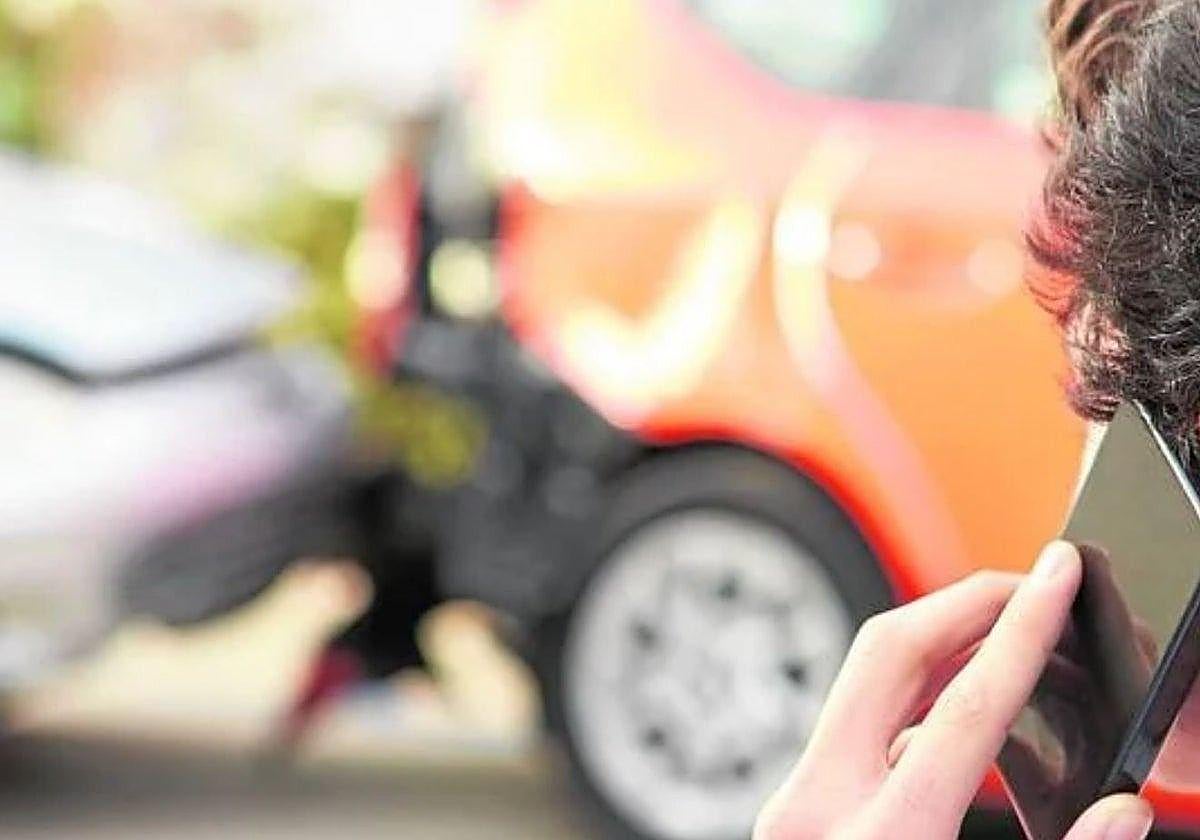
'018' is the new freephone number that the Spanish government will make available to victims of road traffic accidents (RTAs) to advise them on any questions they may have and provide them with comprehensive care and follow-up for each case logged. Spain's Directorate-General of Traffic (the DGT) announced this initiative at a forum organised last June by the RTA victims' association 'Stop Accidentes', but it was only this October that the three-digit number for the new telephone service was finalised. This is set out in a resolution published on the website of the Ministry for Digital Transformation and Public Service, within the State Secretariat for Telecommunications and Digital Infrastructure, which proposes designating 018 as the number to provide telephone assistance to any victim, direct or indirect, of a road accident.
The helpline will be fully operational "at the beginning of next year", according to DGT sources consulted on Tuesday, and will offer psychological, legal and social support to victims of RTAs and their families. In 2024, nearly 1,700 people died on Spain's urban (488) and interurban (1,154) roads, to which must be added almost 10,000 hospitalisations and 130,000 people treated for minor injuries. According to the same sources, the helpline was "a long-standing commitment the DGT had to all victims, both direct and indirect", referring to those injured and relatives of the deceased.
The new hotline will be anonymous, free of charge and confidential. It will provide RTA victims with comprehensive care from specialised social workers, psychologists and legal professionals, as well as guidance and follow-up for each case and coordination with victims' associations and other support organisations.
The 018 number will not be available 24 hours a day, as originally planned, but will operate from 8am to 9pm every day of the year. This and other details will be announced in an official presentation once the entire process is completed (the deadline for submitting objections is 17 November) and the service is ready to go live, which the DGT estimates will be in early 2026.
Nine staff
The contract has been awarded to the company Servicios de Teleasistencia, one of the three companies that bid for the job. It will run until 2027, with the option to extend for a further two years. The initial annual budget is 579,590 euros and the service will be staffed by nine people: six social work graduates, one psychology graduate, another graduate in law and one person to coordinate the team's work.
The service will also ensure that users with hearing or speech impairments are provided with the necessary resources to receive appropriate care, taking into account their specific needs. Furthermore, the operating company contracted to manage the 018 helpline must submit statistics every January detailing the calls received during the previous year, their average duration and the percentage of unanswered calls, in order to "properly monitor service availability".
The new service, which will also include a WhatsApp channel, will be able to advise accident victims on any questions they may have. "They will be able to ask about anything related to a victim after an accident: medical, police, judicial and social services information, as well as guidance on psychological and legal support", explained the DGT's secretary-general, María Lidón Lozano. As the traffic authority's deputy director, she went on to summarise the philosophy behind the measure: "When faced with an accident, one feels bewildered, uninformed, anxious, helpless... and that is what we intend to address with this phone service for victims of road accidents."
The 018 helpline is part of the 2030 road safety strategy presented by the Minister of the Interior, Fernando Grande-Marlaska, to a full meeting of the ministerial committee for traffic and road safety in February 2022. The overall objective of this strategy is to reduce the number of deaths and serious injuries in RTAs by up to 50% before the end of this decade.
Such a phone service has been a long-standing demand from victims' associations that have been calling for it for years to help people involved in such incidents. Countries like France already have such a scheme in place. The DGT estimates that there will be around 100,000 calls per year and approximately 1,200 subsequent legal or psychological referrals.
![[]](http://static.vocstatic.com/voc26/latest/assets/images/favicon/surinenglish/apple-touch-icon-57x57.png)