
History
Fifty years on
To mark the 50th anniversary of the death of Franco, former editor of SUR in English Liz Parry looks back at her experiences of Spain in the seventies and the tremendous changes the country has seen since then
Liz Parry
Malaga
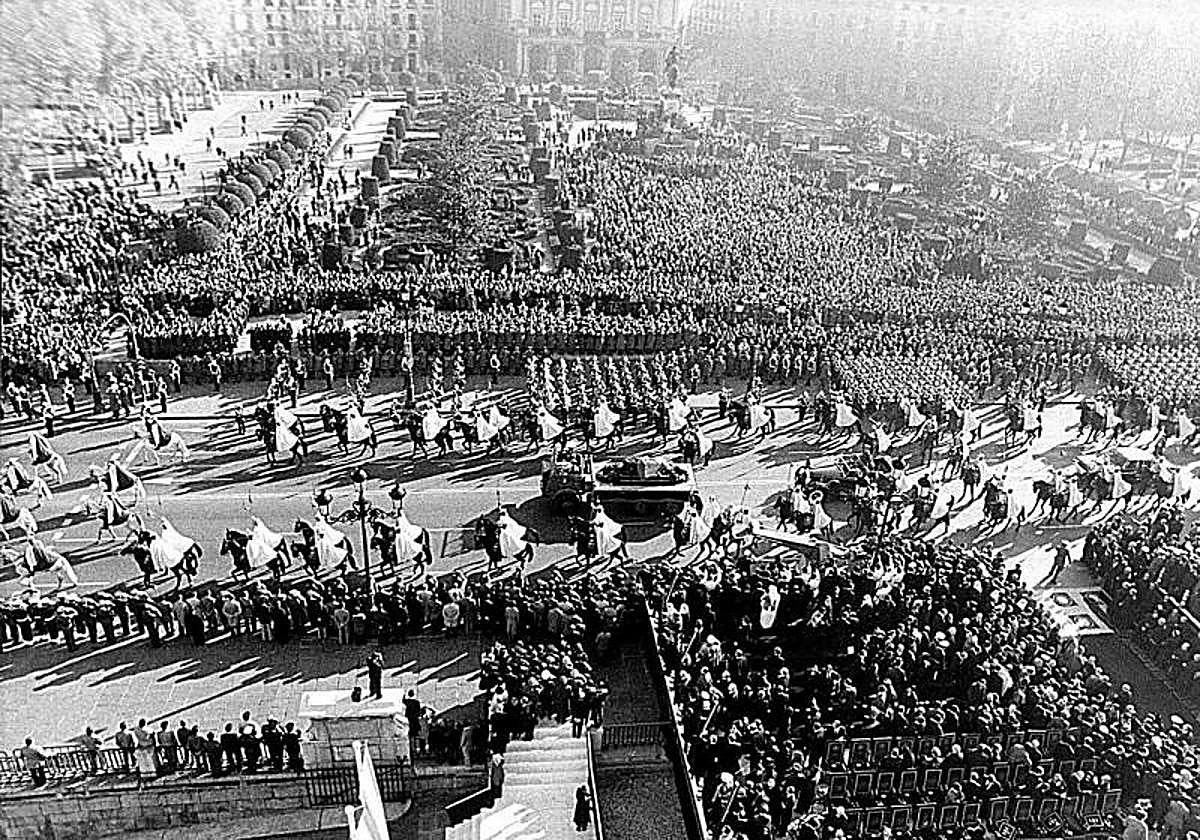
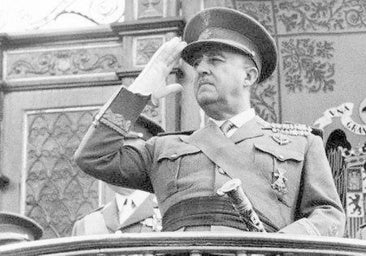
November this year marks the 50th anniversary of the death of Franco, the ‘caudillo’ who ruled Spain with a rod of iron from 1939, the end of the Civil War, until his death in 1975. There is another, much less epoch-making anniversary this year, as I calculate that I have now lived in Spain for a total of 50 years, having arrived for the first time in 1972.
The first question a foreign resident here gets asked is usually: “How long have you lived here?”. Any answer of 10 years or more brings the response: “You must have seen a lot of changes in that time!” Indeed. When I arrived in Malaga to start my year abroad studying Spanish, the city was, rather bizarrely for the capital of a province, a somewhat run-down dormitory town for the burgeoning Costa del Sol resorts. It had an airport, but travellers bypassed the city on their way east to Nerja, or west to Torremolinos and Marbella.
Related story
Now, the city of Malaga features in lists as one of the most desirable places on earth to visit or live, attracts high-tech investment, and is a major tourist destination in its own right. Millions of visitors come every year in search of sun, culture, gastronomy, a relaxed lifestyle and general joie de vivre, the famous Andalusian ‘alegría’.
On that first occasion, I stayed one night in the city, in a cheap ‘pensión’ next to the bus terminal in Calle Córdoba (and made the mistake of having ‘churros’ and hot chocolate for breakfast the next day, before taking the bus along the very windy mountain road to my final destination). I was heading to join the large student population in Granada, where anti-Franco left-wing students were sometimes rounded up and put in vans by ‘los grises’, the grey-uniformed police.
Most of the female students lived in residences with curfews, but those of us who were foreign and studying Spanish enjoyed our freedom to the full. We had our first encounter with free ‘tapas’ and dined on them every night, and frequented the discotheques in the caves of Sacromonte. We regularly drank too many ‘toros’ in Natalio’s bar opposite the Arts Faculty, which we frequented rather less. It wasn’t total freedom, though. One student incurred the wrath of her neighbours by clomping up the stairs to her apartment late at night, in her platform heels and, scandalously, not on her own! The ‘grises’ were called in and escorted her to the airport, blacklisting her passport in case she tried to return.
Two years later, in 1975, I was living in Cordoba, waiting for my Spanish boyfriend to finish his military service in the Cerro Muriano camp nearby. Spain under Franco was living in isolation from the rest of Europe - It would be more than 10 years before democratic Spain joined the EU, and the regime’s tight control over the population meant that visitors were only allowed to stay for three months. The alternative was either a complicated bureaucratic procedure to obtain a ‘permanencia’ permit for another three months, or leave the country for a brief spell and come back. Shops in the border towns in Portugal did quite well out of this stratagem.
The media in Spain were state-run, and we were starved for reliable news. In Holy Week the only music on the radio and television was religious. The most progressive magazine, Triunfo, frequently had pages removed by the censors before it got to the kiosks. Sometimes it failed to turn up at all, in which case the vendor would report that it had been ‘secuestrado’ (kidnapped).
In November Franco was ill and hadn’t been seen for weeks. Officialdom, and particularly the military, was very much on edge. I had an old British-registered Ford Anglia, the likes of which had never been seen in Cordoba. This caused a major alert one day when my boyfriend left it parked outside the barracks. It was all very dicey.
On the morning of 20 November 1975 I turned on my transistor radio to hear the momentous and most solemnly pronounced words: “Franco ha muerto”. Franco has died. The family next door, who went into mourning, invited me round to watch the designated new Head of State, King Juan Carlos, address the nation, expressing his desire for harmony, unity, and progress. It quite soon became clear that this included steering the country towards democracy. Meanwhile Franco’s government was still in power and many, like my kindly neighbours, expected a continuation of the Generalísimo’s politics under the new monarchy. Others, including those in the nearby military camp, prepared for a possible return to civil war. But the week that Franco died, the shops in Cordoba sold out of cava.
There are those who contend that no death should be a cause for celebration, and plenty still who laud what Franco did for Spain. If social media had existed at the time he died, the memes might well have been jokes about Franco inaugurating yet another reservoir, and his praises were sung in some quarters retrospectively, during the recent drought.
The anti-Francoists though, including those I knew in Granada who were chased through the streets by the ‘grises’, and the Cordobeses who drank the shops dry of cava, are keen to mark the 50th anniversary of Franco’s death, and events have been organised under the slogan “España en libertad” (Spain in freedom). It may prudently be called a celebration of the anniversary of the start of the Transition, but it is 50 years since the death of a dictator.
So yes, I have seen changes! Social, moral and legal attitudes have almost completely flipped since 1975, along with the politics. The Transition brought democracy to Spain, and the country can now proudly claim to be one of the most open and progressive societies anywhere, as well as one of the most prosperous.
The more recent arrivals in Spain who speculate that it must have changed a lot in 50 years may have only vaguely heard about its recent history, or about Franco. Describing all the spectacular - unparalleled - differences between then and now would take longer than space permits. But yes, it has changed, and I am in awe of how far it has come.
![[]](http://static.vocstatic.com/voc26/latest/assets/images/favicon/surinenglish/apple-touch-icon-57x57.png)