
History
Should Franco fade into a mere footnote in Spanish history?
The government's decision to mark the 50th anniversary of the dictator 's death next Thursday has sparked controversy in Spain
Tony Bryant
Malga
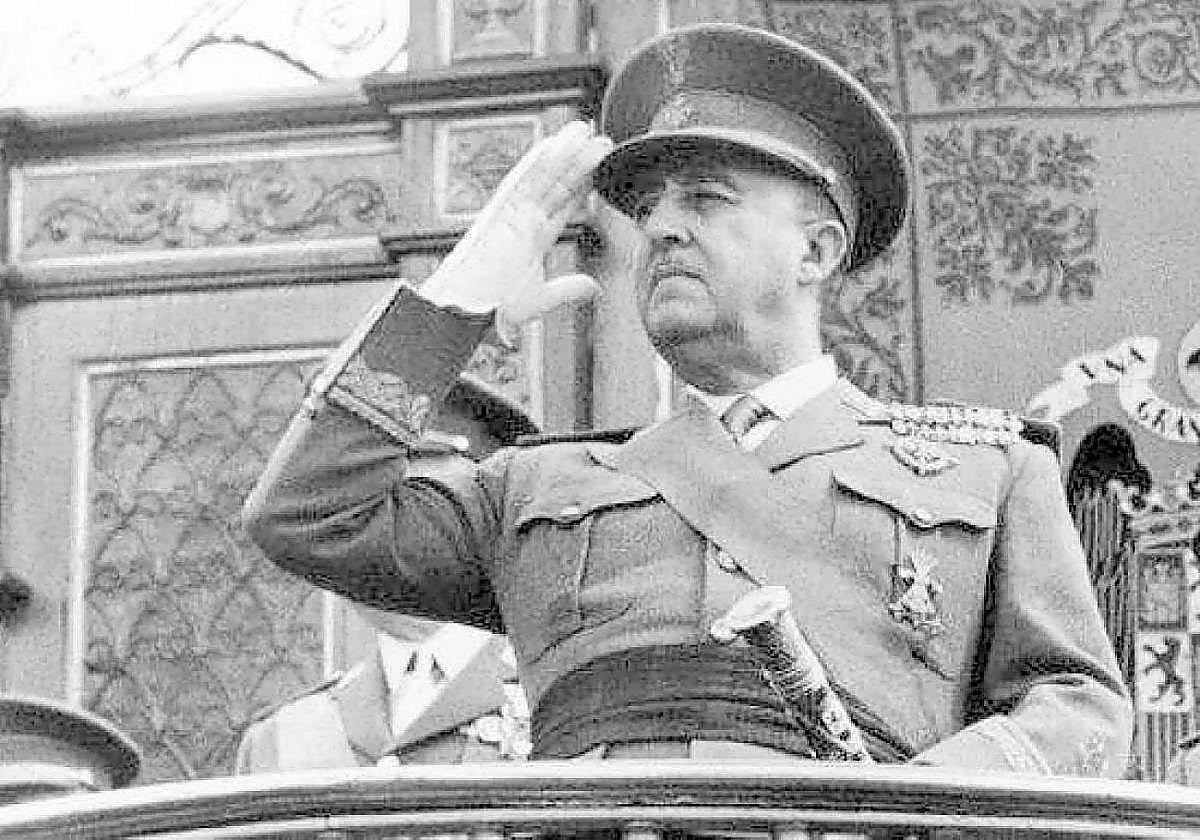
The name of General Francisco Franco and the regime that ruled Spain between 1939 and 1975 has continued to divide the country over the last five decades - a debate that has again surfaced as Thursday 20 November marks the 50th anniversary of the dictator's death. There are many who believe that the vindication of Francoism makes "no sense" and that events should instead focus on the 1978 Constitution. However, some experts agree on the need to commemorate Spain's transition from dictatorship to democracy and see the 50th anniversary of Franco's death as an appropriate date for doing so.
Many historians believe that anything that involves dealing with the past, analysing and revisiting it, is necessary and essential. However, they differ over where the focus of this initiative should lie.
Political controversy
The controversy over the planned activities to mark next Thursday's anniversary - which also includes conferences and seminars organised by universities on topics they consider relevant - has not only divided the population, but also caused disagreement among political parties. Prime Minister Pedro Sánchez and his government have organised a series of events, commemorations and museum exhibitions, all with a major focus on remembering the victims, addressing the legacy of the regime and promoting democratic values. Some of these events have already taken place, and Sánchez said that the commemorations are a way to warn of the dangers of forgetting the dictatorship. This attracted opposition from the PP and the far-right Vox party, both stating that they will not participate, arguing that the events are an attempt to divide the country by reopening historical wounds.
Related story
-
 Liz Parry
Earlier this year, Pedro Sánchez did not mention the name of Francisco Franco once during the presentation of the government's plan to commemorate 50 years of freedom in Spain. However, the conservative party said it was convinced that the multitude of events scheduled for this month are merely an attempt to bring back the "Franco card" to cover up the government's corruption.
Aside from the events organised by the government, the Spanish broadcaster RTVE is commemorating the anniversary of the end of the dictatorship with 50 Years of the Great Change, four documentaries that are being broadcast on channel one throughout the month of November. The documentaries present a unique perspective on what happened in the final years of the Franco regime, not only in the streets, but also behind the scenes in the political and social corridors of power, a historical reality that the public broadcaster claims will "help explain some features of present-day Spain".
Obligation to educate
The education system has also been caught up in the controversy again, as some schools in Spain have been accused of overlooking the Civil War and Franco's dictatorship. There are many who believe it should have a stronger presence in the educational curriculum in Spain in order to develop a critical citizenship able to approach the conflict from a diversity of perspectives. Many young people reach adolescence without ever having studied either the Spanish Civil War or the years of the dictatorship. Some parents argue that the Spanish Civil War and the aftermath should be included in the national educational curriculum. They believe that Spanish democracy not only has the right but the obligation to explain to young people what Francoism was, instead of side-stepping the era and relegating to a simple footnote in Spanish history.
A continuing debate
This debate is far from over and will no doubt continue for some time to come. Both the people affected by Franco's rise to power and the harsh treatment meted out by his regime, and those who were not, including foreign residents in Spain, are truly divided.
Axarquía resident Joan Fallon, the author of Daughters of Spain (a series of frank interviews giving a dramatic picture of what it was like to be a woman living in Spain under Franco's regime), said she believes children of today should learn about what life was like in the dictatorship.
"History is about people and their lives: I believe that young Spaniards deserve to know why such a war would break out in the first place and what kind of lives their great-grandparents lived before, during and afterwards. The civil war and the dictatorship are vital parts of Spanish history and should not be withheld from youngsters because those years will subsequently have had an affect on their lives. How can the youth of today understand their country if this period of their history is withheld from them?" she told SUR in English.
Malaga resident Juan Jiménez, whose father was a staunch Franco supporter, said that he believed that, "as bad as it was", it should never be forgotten.
"This was a terrible era of Spain's history, but it is our history and it cannot be ignored," he said.
Daniel González, whose grandfather died during the conflict, disagreed, saying "it is time to forget". "Why do we have to keep dragging the Franco atrocities up. He is dead and should be left that way. Educating youngsters is one thing, but holding events to mark the death of this dictator is absurd," he said.
![[]](http://static.vocstatic.com/voc26/latest/assets/images/favicon/surinenglish/apple-touch-icon-57x57.png)