
Employment
Malaga province's self-employed speak up: what are the pros and cons of working for oneself?
Flexibility is the most attractive benefit, while excessive costs, the inability to take time off and the burden of responsibility are among the main disadvantages

Malaga
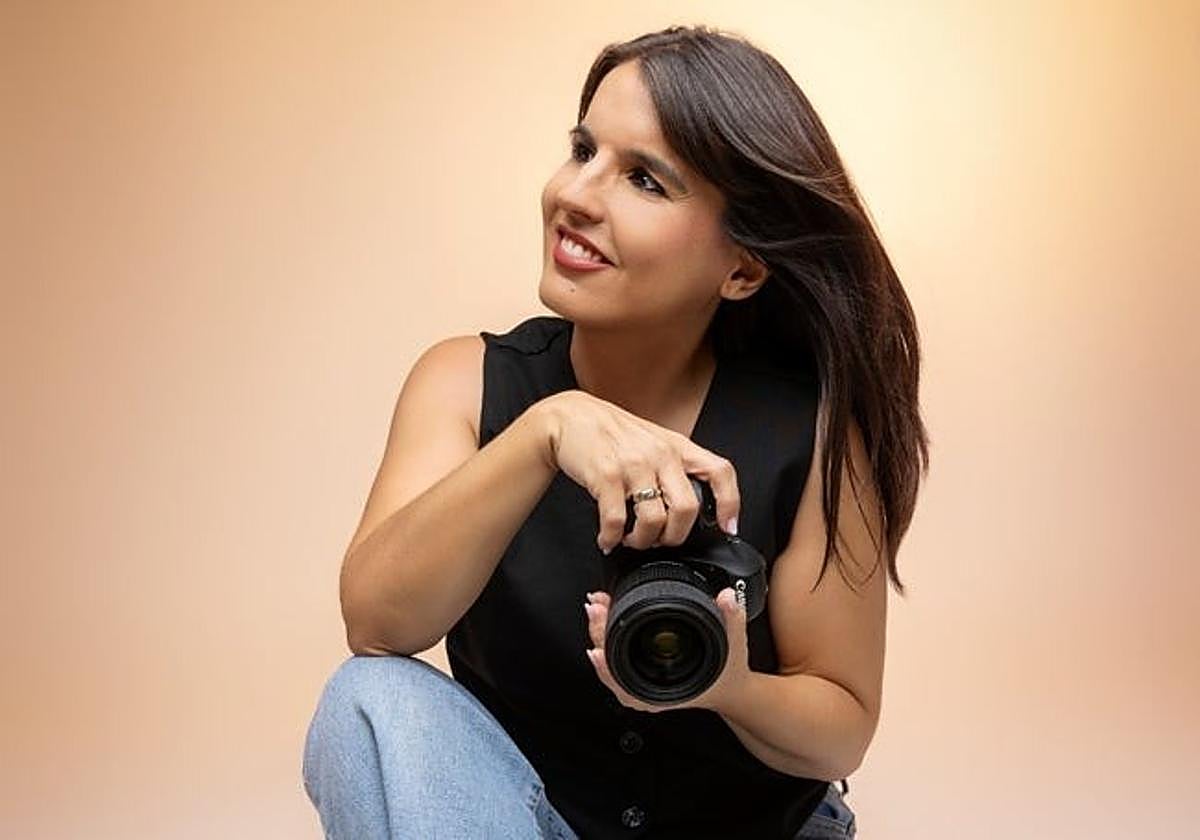
María Romero: "Regardless of the amount of work I have, I'm always on edge"
María Romero, 45, has been self-employed for nine years. She took over the family business (a photography company) after her father retired. Since she became the head of the company, she has mostly been focusing on baby and child photography. Families from all over the province go to her studio in Alhaurín el Grande, attracted by the innovative formats she offers. "What I like most about being self-employed is that I manage my own time, but what I like least is that when I have a lot of work, I don't know when to stop, because I always think: what if next month I don't get any commissions? So my life can be summed up as being on edge: both when I have too much work and when I have too little," she says.
Romero criticises Spain for being the country with one of the highest tax burdens on self-employed individuals. "I pay 301 euros in fees, to which I have to add income tax and VAT. My husband says that self-employed people's accounts are not reliable: you see money at the beginning of the month, but when the tax authorities come and take what's theirs, you're left trembling."
Related story
-k1GB-U46450736758gYF-650x455@Diario%20Sur.jpg)
Clemente Solo de Zaldívar: "The day that I stay at home is a day I don't get paid"
Clemente Solo de Zaldívar founded electricity, telecommunications and home automation company Proindetec 19 years ago, when he was only 26 years old. "I was fed up with working for others: I was always being told off because I was doing things too well," he says. Having survived the Great Recession, Covid-19 and the subsequent unstoppable inflation, Proindetec is an example of business resilience. This has not been achieved without sacrifices and Solo de Zaldívar and his partner are now the only workers in the company. As they have had to lay off the seven employees they used to have, they can now only afford to take on the work that the two can handle.
" Between salaries, social security fees and sick leave, it was not worth having workers because we had to raise prices, when there is a lot of unfair competition and freelancing on the side in our sector: there are people who, while on sick leave or collecting unemployment benefits, are doing undeclared work," he says.
Solo de Zaldívar also complains about taxes: "With an average turnover of 2,000 euros a month, you have to pay around 3,000 euros a quarter in taxes, almost half." However, his greatest concern is the lack of social protection. Once, he was unable to work for five months due to a serious accident after he fell from a ladder. During that time, he would be compensated with 28.39 euros a day by the mutual insurance company, only because the incident was ruled as a work-related accident. " If it's any common illness, the day I stay at home is a day I don't get paid."
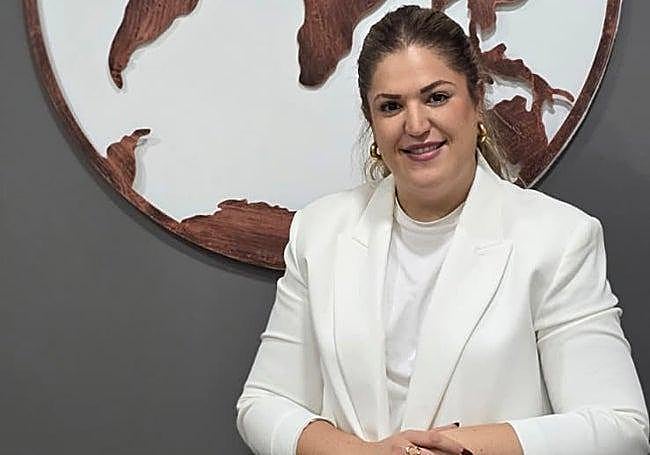
Laura Hurtado: "I have a colleague who gave birth on a Friday and went back to work the following Monday"
Laura Hurtado, 31, started practicing law on her own in Antequera when she was only 24 years old. She specialises in family law, condominiums and other civil matters. Like many other lawyers, instead of paying her contributions to the self-employment system, she pays them to the lawyers' society. "The amount is similar: I pay 270 euros, but then they do an adjustment to my actual income and I always end up paying a little more," she says. She is planning on switching to the general self-employment system, as she doesn't see many advantages.
Regarding the pros and cons of being self-employed, she says: "The best thing is the flexibility in your schedule, as you are the one managing your time. The worst thing is the constant worry about paying fixed fees and everything depending on you. I have a colleague who gave birth on a Friday and went back to work the following Monday."
-k1GB-U33811623872nxr-650x455@Diario%20Sur.jpg)
Estefanía Lara: "Becoming self-employed was the only way to reconcile being a mother and earning a living"
Estefanía Lara is a freelancer in design and communications, as well as the founder of Loveratory - a brand specialising in the design and careful production of stationery for weddings and events. In her case, the decision to be self-employed came in 2013, when she became a mother. "I found myself alone and without a close support network. In order to reconcile work with caring for my son, being self-employed was almost the only way out." However, her experience has been far from idyllic. "It is true that it gives me flexibility, but without a doubt I work longer hours and with more instability and risk than if I were an employee. There is no fixed salary or paid holidays and the fixed costs and taxes are suffocating me." Estefanía believes that the system "forgets" that many self-employed individuals are not big companies, but people who have had to "adapt to the circumstances". "We are workers without the same rights as salaried workers, drowning in taxes," she says.
![[]](http://static.vocstatic.com/voc26/latest/assets/images/favicon/surinenglish/apple-touch-icon-57x57.png)