
Health
Malaga needs more bone marrow donors: numbers have fallen by 28.3% in one year
Stem cell donations are essential for treating and curing the most aggressive leukaemias, among other uses
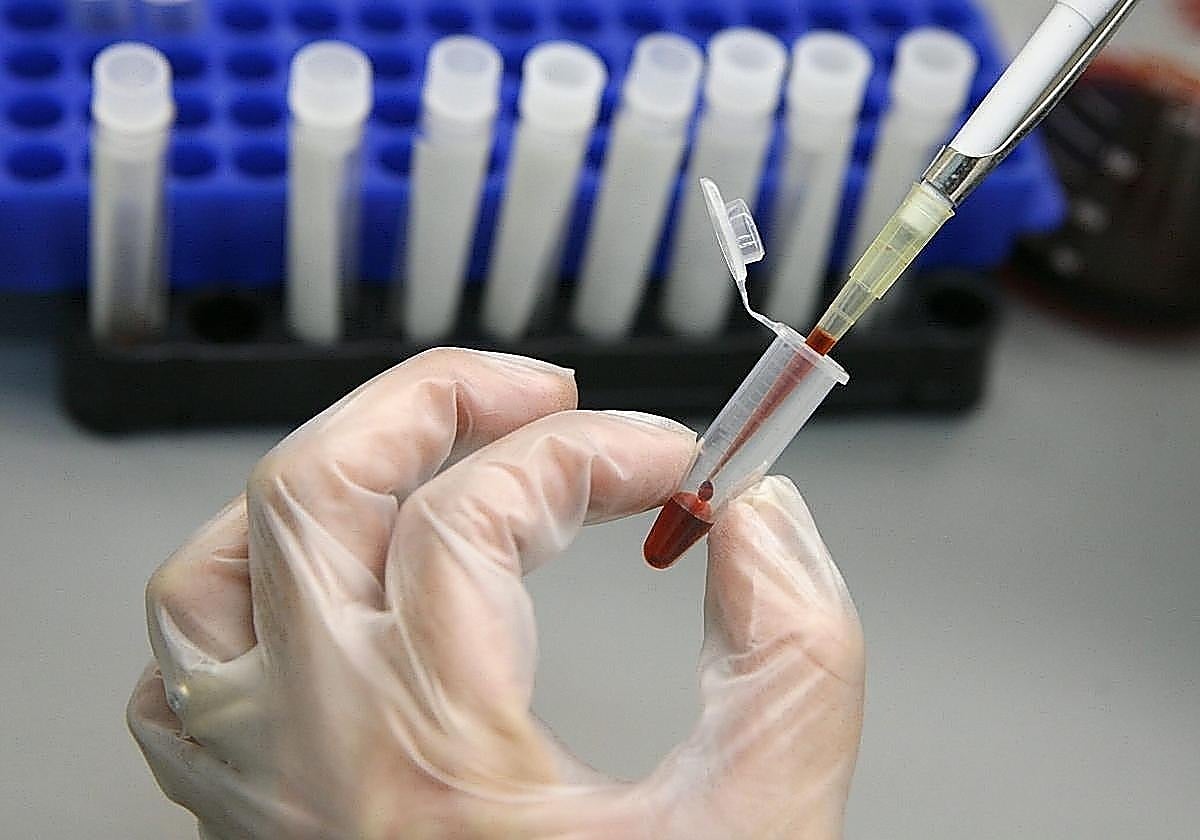

Bone marrow donations in Malaga have fallen by 28.3% between October 2024 and the same month in 2025. In the first ten months of last year, 1,256 new donations were recorded, while in the same period this year only 900 have been logged, according to Dr Gracia María García, clinical director for Malaga's Transfusion, Tissue and Cell Centre. She explained that the peak months are March and November, when blood drives are held and donating is most actively promoted, especially at universities. In any case, the numbers will improve once the number of donors registered last month is known.
Dr García has no explanation for the drop in donors this year, but she does stress the importance of increasing the number of donors. In 2024, there were a total of 1,505 donors, compared to 1,060 in 2023.
"Donating bone marrow is important because it is the raw material needed for bone marrow transplantation, which is essential for curing certain leukaemias that, due to their aggressiveness, require the removal of all the patient's diseased bone marrow and its replacement with new, healthy bone marrow," explains García. These are leukaemias that cannot be cured with chemotherapy alone. Bone marrow can also be used to treat problems such as bone marrow aplasia or immunodeficiencies.
How to become a donor
How can someone become a donor? "The fundamental requirement is to be aged between 18 and 40, in good health and to go to a blood drive. We operate the same way in every province of Andalucía to help you become a bone marrow donor. There they will explain to you what the final donation process consists of so that you know more about it, they offer you an informed consent form where you will give your details so they can contact you if you are a match and, from that phial of blood that is collected during that first contact, we will study the HLA [the human leukocyte antigen system], which is the genetic ID within our cells, and that will tell us whether or not you are compatible with the patient", says Dr García. She adds that up to ten options are analysed, "ten pointers that are necessary to know if you are compatible with that patient needing the bone marrow".
Malaga's Hospital Regional is a key centre for bone marrow donation after donor compatibility is confirmed
Once the patient has given their consent and their HLA type has been determined, "in about one month at most, they are registered with the Carreras Foundation [the Josep Carreras Foundation for leukaemia research]", which collects data on all donors across Spain. If a bone marrow request reaches this organisation and is compatible with a donor, everything is channelled through Malaga city's Hospital Regional, the reference centre for these transplant procedures in the province. "That's where the bone marrow would be extracted," says García.
One extraction method is to go directly to "the blood factory that is in the bones. We would collect these cells from the larger bones, which are more accessible and from which more of the product can be extracted. These would be in the hip area, the iliac crests and the sternum." Yet there is a second way of extracting "these progenitor cells: namely, administering a subcutaneous injection for five days, which will cause these cells inside the bone to be released into the bloodstream.
Then, using a machine, for approximately four hours, we will collect the donor's blood, selecting the cells of interest and returning the rest to the donor. With this process repeated three or four times, depending on the number of cells to be extracted, in approximately four hours in a single morning, using a peripheral IV [intravenous] line, we will obtain those cells and the donor gets to go home without further ado", explains García. This approach is known as apheresis.
Procedures
In cases where cells are extracted directly from the bone, the patient must go to the operating theatre under general anaesthesia to be "more comfortable and relaxed: they won't experience any discomfort and, in some cases, the patient will be admitted overnight for observation and be discharged later that evening or the following morning." There are no side effects with either option.
A very high percentage of patients secure a compatible donor for their transplant.
Although anyone can donate, the ideal donor is young, under 40 years of age. "It's scientifically known that, when you are in receipt of a transplant, the response and recovery will be better from someone younger. We always have to be replenishing donors who stop donating as they get older, even if they are still able to donate. In other words, a 55- or 60-year-old person can obviously donate, but if I find a 40-year-old donor, it will be much better for the patient," notes the doctor.
In any case, 99% of patients who need a donor manage to find one.
![[]](http://static.vocstatic.com/voc26/latest/assets/images/favicon/surinenglish/apple-touch-icon-57x57.png)