
Malaga
Malaga opposition calls for quantification of losses the closure of city beaches due to faecal bacteria this summer
They are urging the tourism department to produce a report on the economic and reputational impact of banning swimming in August

Málaga
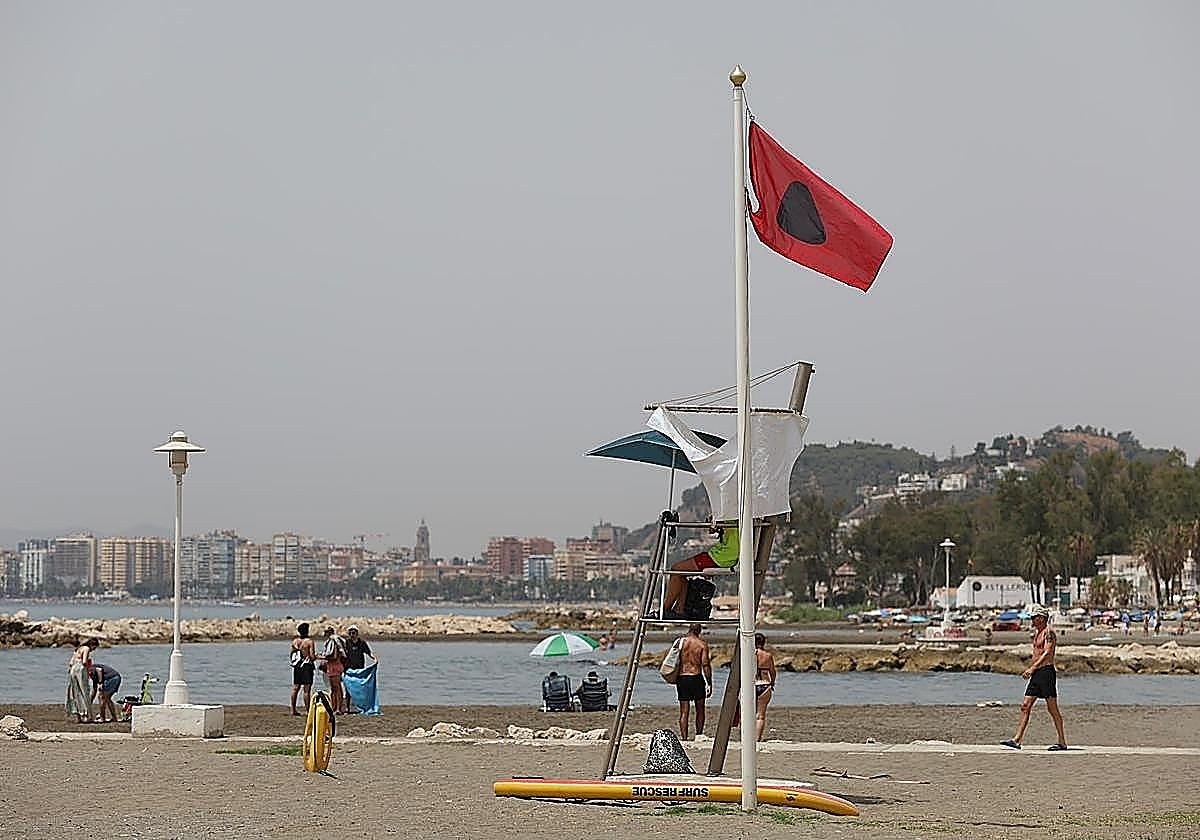
Malaga city council was fortunate that the closure of six beaches due to faecal bacteria took place in August and that the locals were ... more preoccupied by the Feria.
At the time, the party representatives at the city hall were on their annual leave, which means that there was not as strong an institutional response.
At the start of September, however, all the opposition groups (the PSOE, Vox and Con Málaga) turned up at the environment committee eager to criticise the lack of investment in comprehensive sewerage infrastructure to prevent the system from becoming overwhelmed in the case of heavy rain.
Related story
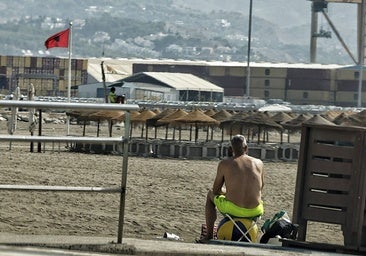
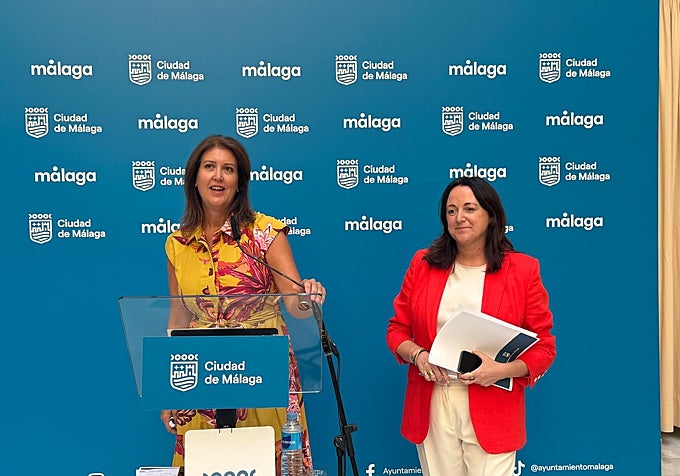
Both Vox and Con Málaga will be pressing the issue at this Thursday's economy committee meeting, seeking to examine the economic implications of this unprecedented incident. It is striking that the opposition from both the right and the left are in agreement.
Although a month has now passed since the discharge of water containing higher than normal levels of E. coli, it is only natural that they should want to know the reasons behind it and their repercussions both on the tourism sector and on other activities that take place on the city's beaches.
Deputy spokesperson for Con Málaga Toni Morillas is calling for an audit of the 169 million in Emasa licence fees that have not been invested in the modernisation of the sewerage system; a specific audit into the use of the water price hike, which will increase bills by 44 per cent by 2028; explanations regarding the disciplinary proceedings the regional government initiated following the faecal spill in Guadalmar; and a study of the economic and reputational impact the closure of six beaches caused this summer.
"We want the city council to explain why these disciplinary proceedings have been initiated and, above all, how much the PP's local government team's negligent and disastrous water policy is costing the people of Malaga," Morillas stated.
Yolanda Gómez, Vox's deputy spokesperson, said that "business owners pay taxes, duties and, where applicable, fees throughout the year".
"They create jobs, make investments and take on the risk of keeping their businesses open. However, when a beach has to be closed for health reasons and its use drops dramatically, the economic consequences fall primarily on them," Gómez stated.
Vox, in Gómez's words, is not suggesting that any adverse weather event should automatically result in compensation. "We are proposing something far more reasonable: that when an administrative decision to close a beach for health reasons prevents the normal running of beach-related activities for several days, the city council should not simply raise the red flag and then forget about those who have borne the financial consequences," she said.
Vox is requesting that the city council consider extraordinary fiscal or financial support measures for the businesses directly impacted.
The expansion of Palacio de Ferias (Fycma)
The local governing board has decided to ask the regional government for a grant of 600,000 euros to continue with the project to expand the Fycma (the Malaga trade fair and conference centre).
The grant will be to draw up the basic and detailed design plans for the expansion of the exhibition centre, while the urban planning department continues with the planning procedures required in such cases.
Another recent step in this direction was the local government's approval of the detailed study which sets out the urban planning framework and enables the site to be extended by more than 37,300 square metres.
The Fycma is of strategic importance to the city. Its activities have become increasingly significant in the fields of conferences, trade fairs, business and tourism.
The project will strengthen the venue's operational capacity, improve its competitiveness and adapt the facilities to the sector's current demands, which have an impact on the city's economic activity and its ability to attract new events.
![[]](http://static.vocstatic.com/voc26/latest/assets/images/favicon/surinenglish/apple-touch-icon-57x57.png)