
Health
One Malaga nurse assaulted every 15 days in 2026
The nurses' medical union calls for more measures against aggression towards health professionals and demands to be included in security discussions
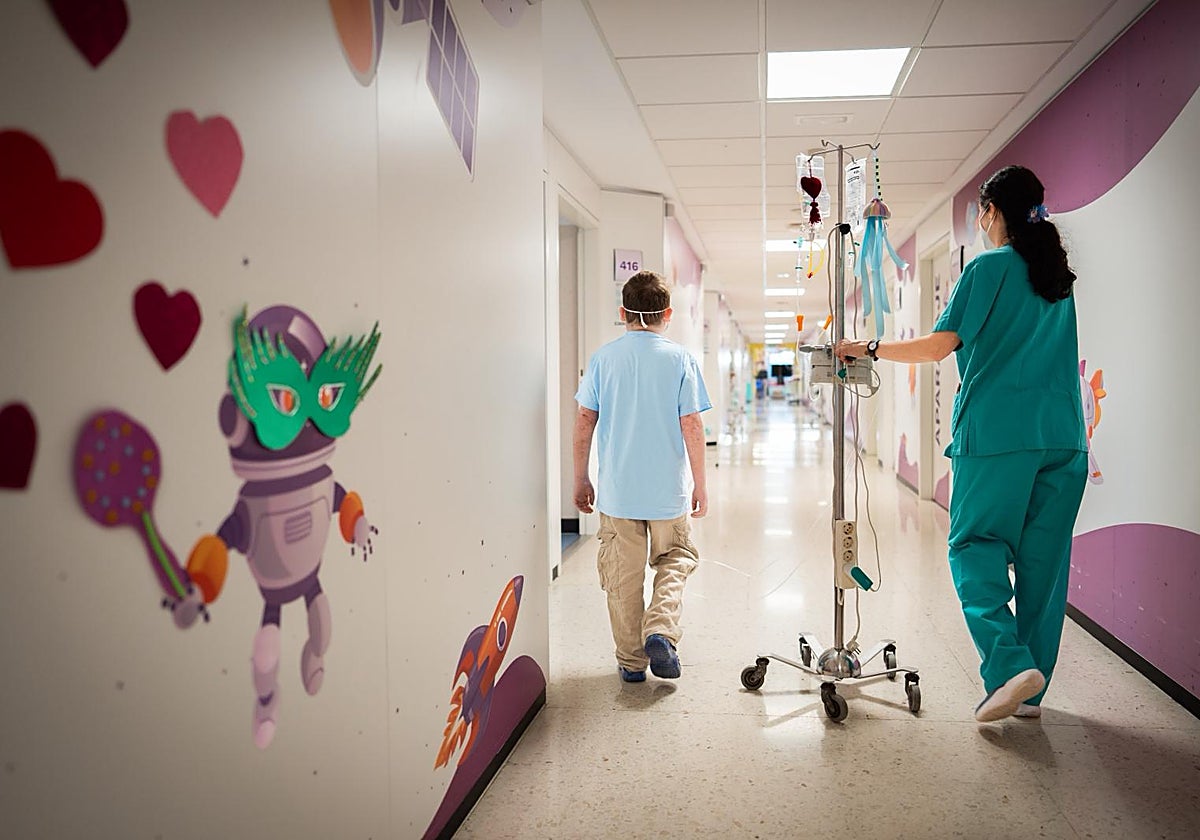

A nurse in Malaga will be assaulted every 15 days in 2026, according to estimates by the nurses' medical union.
The figure reflects "the seriousness of a problem that affects the entire health system". The doctors' union's reports confirm the gravity of the situation: in 2025, 72 doctors became victims of assault at their workplace.
Ten of the incidents were verbal and the most common victim profile is a woman under the age of 35 working in primary care.
National data
"This phenomenon also occurs at national level. According to the review presented by the National Police, there were 513 complaints for assaults on health professionals in 2025, which represents an increase of 26.35 per cent over the previous year," the union says.
Also last year, the police carried out 11,000 interventions related to health incidents, with more than 3,500 actions in health centres and nearly 8,000 during home visits, resulting in 138 arrests. The data refers to the whole country.
Offences
The most common offences were attacks against public officials, threats, injuries and coercion, carried out through intimidation as well as physical or psychological violence.
Furthermore, the report places Seville, Malaga and Cadiz among the provinces with the highest incidence within the scope of action of the National Police.
Head of the nurses' union José Miguel Carrasco Sancho says that this situation requires a firmer response from the authorities.
"Attacks on healthcare professionals are absolutely intolerable. Nurses work on the front lines every day, in direct contact with patients and their families, and it is essential to guarantee their safety in order to provide quality healthcare," he states.
"Assaults on health professionals are absolutely intolerable. Nurses work on the front lines every day, in direct contact with patients and their families."
Carrasco Sancho demands more protective measures in healthcare centres, more resources and a real zero-tolerance policy against any aggression.
"We cannot allow that those who dedicate their lives to caring for others work in fear. We need to strengthen prevention, improve protection and ensure that those who attack health professionals are brought to justice," he says.
Unions want to join discussions and working groups
The nurses' medical union wants to participate in working groups and coordination bodies that deal with these assaults. Carrasco Sancho considers his union joining essential.
"We represent more than 10,000 professionals and we know first-hand the reality that nurses experience on a daily basis," he says.
Lack of real data
The union also warns that there is not always real or complete data on assaults on nurses, as many incidents are not officially recorded.
In many cases, the union only becomes aware of these situations when the members themselves report directly to it, which shows the need to improve the system for recording, monitoring and analysing these episodes of violence.
The union offers its members different resources to support them. These include a 24-hour hotline, through which professionals can receive immediate guidance on how to respond to a situation of violence.
The union also offers specialised legal advice, as well as a mental health care service to support those who have suffered aggression during work.
![[]](http://static.vocstatic.com/voc26/latest/assets/images/favicon/surinenglish/apple-touch-icon-57x57.png)