
Extra Ayuntamiento de Málaga
Malaga, the city that turned culture into its compass
A long-term vision has made the city a European leader in arts tourism and urban regeneration
SUR in English
Málaga
Walking through Malaga today means immersing yourself in a city that has made art its everyday language. For decades, the capital of the Costa del Sol has been reinventing itself, becoming a European cultural reference point where history and innovation meet every day. This transformation has been driven by cultural tourism, without losing any of its maritime, bright and welcoming essence.
Today, Malaga’s name is spoken in the same breath as Picasso’s, and its cultural network has placed it among the most visited destinations in the Mediterranean.
A cultural revolution
Malaga was once known mainly for its climate and beaches. Now, it’s recognised as the City of Museums, praised and visited for its contemporary art, the open architecture of its museums, the vitality of its streets and a cultural model that has successfully combined history with innovation.
This revolution has many names behind it, but above all, one clear strategy: the belief that culture could be the driving force for urban, economic and social transformation. Since the early 21st century, the city council has backed a long-term, sustainable cultural project that has built an impressive network of museums.
The seeds of this change go back to the 1980s, with the creation of the Picasso Foundation. But the opening of the Picasso Museum in Malaga in 2003, housed in the Palacio de Buenavista, marked a turning point. Today, Malaga is home to around 40 museums, 21 galleries and 63 monuments and landmarks, as well as a rich and varied gastronomic scene.
In 2024, the city recorded more than six million visits to museums and monuments, and locals see this cultural wealth as something to be proud of. Proof of that came with the celebration of World Tourism Day 2025, when 33 cultural venues held open days and guided tours in several languages, attracting around 38,000 visitors in a single day - 46 per cent more than in 2024.
Picasso’s legacy
Pablo Picasso’s spirit beats at the heart of Malaga. The Museo Picasso Málaga and the Picasso Birthplace Museum embody the universal genius’s legacy and the artistic identity of his hometown.
Around them has grown a constellation of museums that make up one of southern Europe’s most vibrant cultural scenes. The Centre Pompidou, the first branch of the French institution outside France, has strengthened the city’s connection to international contemporary art, while the Carmen Thyssen museum highlights the romantic and everyday beauty of 19th-century Spanish painting.
The Collection of the Russian Museum, meanwhile, has brought masterpieces from major Russian art schools of the 19th and 20th centuries to the Costa del Sol. At the same time, the Museo de Málaga, inside the Palacio de la Aduana, stands as a magnificent example of local neoclassical architecture.
Beyond these landmarks, several distinctive spaces showcase Malaga’s cultural diversity: the Interactive Music Museum (MIMMA), where visitors are encouraged to play as well as listen; the Revello de Toro Museum, celebrating the Malaga-born portrait artist; the Jorge Rando Museum, a centre for contemporary expressionism; the Automobile and Fashion Museum, which combines design, technology and style; the Glass and Crystal Museum, a hidden treasure inside an 18th-century mansion; and the new OXO Video Game Museum Malaga, where digital storytelling meets classic art in an immersive experience.
Since 2025, a new name has joined the city’s museum landscape: MUCAC Malaga. The city’s contemporary art museum unites the legacy of the CAC and the Municipal Heritage Museum (MUPAM) across two sites. The first, at La Coracha, is already open, while the second, in the former wholesale market, will open in 2026.
Urban transformation
Malaga’s reinvention goes far beyond its museums. Culture has been the thread guiding an urban transformation that extends throughout the city. The pedestrianisation of Calle Larios and Plaza de la Constitución in 2002 marked the start of a network that now spans 144 kilometres of pedestrian or semi-pedestrian streets, reclaiming public spaces for people to meet and connect.
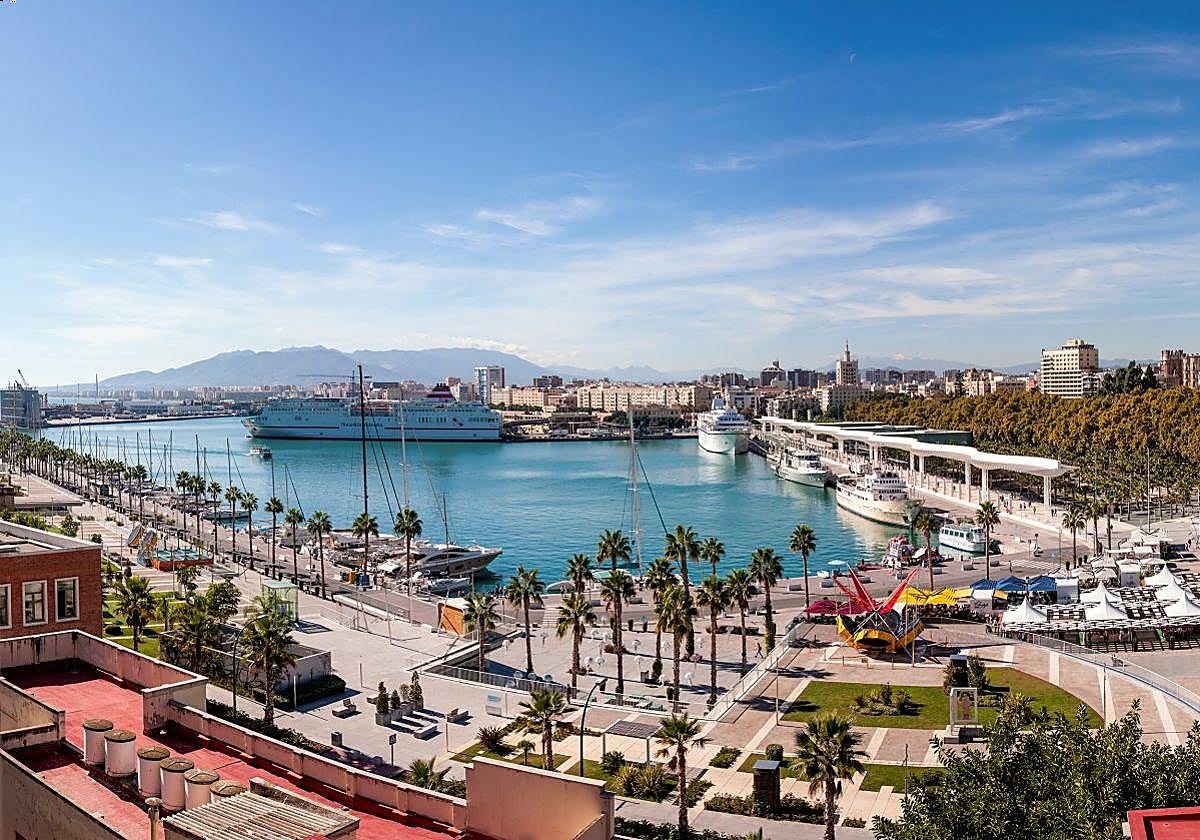
Muelle Uno, the Palmeral de las Sorpresas, the superyacht marina and the modernised metro system have all contributed to a metamorphosis that has turned Malaga into a city that’s open, walkable and beautiful.
In fact, the city has managed to weave its historic treasures - the Roman Theatre, the Alcazaba and the Cathedral - into a contemporary story where heritage and innovation coexist.
Beyond the museums
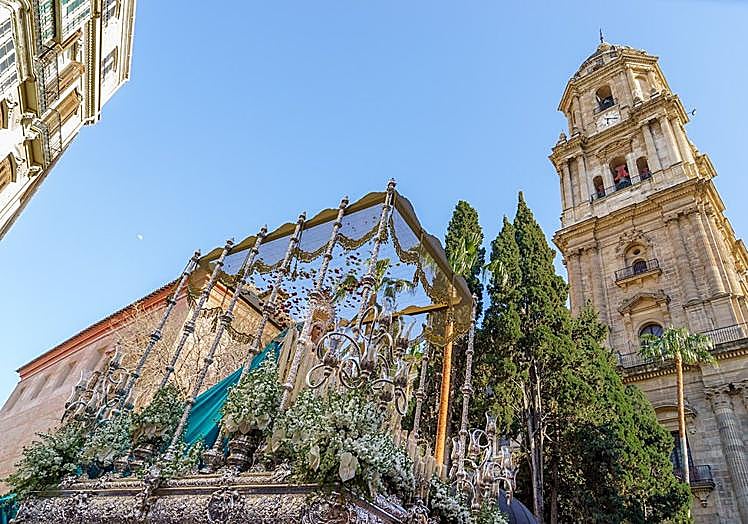
Malaga’s cultural heartbeat runs through the city every day. Festivals, concerts, fairs and celebrations fill its calendar year-round. The Malaga Spanish Film Festival, Carnival, Holy Week, the International Theatre Festival, La Noche en Blanco and the August Fair are now unmissable fixtures in the city’s cultural life.
In 2025, Malaga took the next step by hosting the first European edition of San Diego Comic-Con, a global event that cemented its status as a capital of popular culture and entertainment.
Gastronomy is also a key part of the city’s identity. Creative tapas, restored market halls and Michelin-starred restaurants sit comfortably next to traditional taverns, reflecting the city’s blend of roots and modern flair. And to crown it all, 2025 marks the first time Malaga will host the prestigious Michelin Guide Gala.
Forward-thinking
Looking ahead to the next decade, Malaga is moving towards a new cultural model built on innovation, accessibility and sustainability. With the help of big data, the aim is to strengthen its position as a responsible, intelligent and inclusive cultural destination.
The biggest challenge, however, will remain finding a balance between visitors and residents, promotion and preservation, and memory and innovation.
Ultimately, culture will continue to guide Malaga’s growth, the compass of a city that has turned its heritage and museum offering into a universal language.
![[]](http://static.vocstatic.com/voc26/latest/assets/images/favicon/surinenglish/apple-touch-icon-57x57.png)