
Transport
Junta studies extending Malaga metro lines to serve more outlying areas
The regional government has approved its transport plan, with a goal of 25% of journeys within the metropolitan area on public transport by 2030
Ignacio Lillo
Malaga
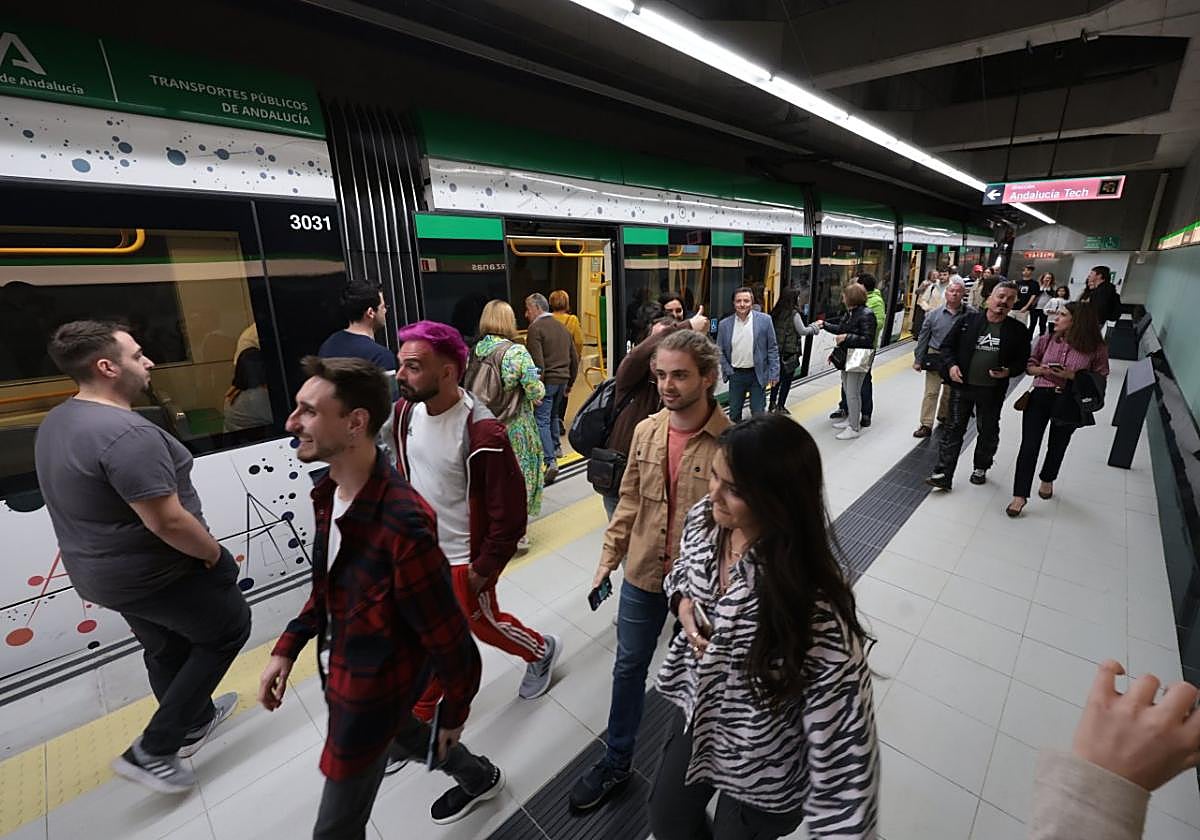
The Junta de Andalucía has gone one step further towards improving mobility around the province, especially between the city and the neighbouring towns that make up the so-called metropolitan area. This week regional government ministers approved their metropolitan transport plan, which includes mobility and infrastructure projects that are planned up to 2030. SUR has had access to the document that delivers some good news for residents of the area to the east of the city, the one that suffers most intensely from traffic tailbacks on the roads and the lack of alternative means of transport.
Among the measures to be developed in the medium term, the plan highlights the need to improve connections between Malaga city centre and the district of El Palo (in a first phase) and the commuter town of Rincón de la Victoria (in a second). The following options are considered: a new underground metro line (which would be Line 3); Line 3, as mentioned, but in the form of a tram (to El Palo); a Bus Rapid Transit (BRT) high capacity service to El Palo and Rincón, or improvements to the current bus services.
Experts support a train to Rincón and TechPark
Based on the proposals included in the Junta's metropolitan transport plan approved this week, SUR asked transport infrastructure experts for their opinions. In general they agreed that a new metro line would be the best option for El Palo, which is still within the city limits, while new Cercanías local trains would be the best means of improving transport to the TechPark and the commuter town of Rincón de la Victoria. Meanwhile, they opt for a BRT bus service as a short-term, cheaper alternative.
For improved access to Málaga TechPark (PTA) and to avoid tailbacks on the A-357 motorway past the university, the plan proposes studying the extension of metro Line 1, while also looking at a modification of the C-2 train line between Campanillas and Cártama station to create a new stop at the technology park. Other alternatives could be: a new express C-2 commuter train line from the María Zambrano station to the tech park; shuttle buses from Andalucía Tech metro station, including road improvements; or a High Occupancy Vehicle (HOV) lane on the motorway.
Fuengirola trains
On the western Costa del Sol, the metropolitan transport plan also considers improving connections between Malaga city centre and Fuengirola. This could include an increase in the frequency of the C-1 Cercanías local train service of up to 15 minutes. The metropolitan 103 bus line could also be improved.
Other proposals in Malaga city include the possible extension of the C-1 and C-2 and train lines to Plaza de la Marina or even La Malagueta and viability studies for intermodal terminals under the Plaza de la Marina and next to Malaga train station.
The plan mainly affects the towns included in Malaga's metropolitan area transport consortium, which is due to be expanded to include Antequera, Valle de Abdalajís, Riogordo, Coín and Villanueva de la Concepción in an initial phase.
The new plan also lays out goals for 2030. These include at least 25% of all journeys in the area being on public transport, a 5% reduction in demand for private vehicles and a 5% increase in non-motorised bicycles and scooters.
According to recent estimates by the regional minister of public works, Rocío Díaz, the plan will involve removing some 52,000 cars and motorcycles from the roads. To achieve this, it will be necessary to invest 1.12 billion euros, of which the bulk would go towards the Malaga metro (863 million). This would come from the Andalusian regional government (through European Next Generation Funds), with additional investment from the metropolitan transport consortium, private-public collaboration, local town councils and the national government, where applicable.
![[]](http://static.vocstatic.com/voc26/latest/assets/images/favicon/surinenglish/apple-touch-icon-57x57.png)