
Health
Malaga hospital to use innovative dog therapy to treat patients with eating disorders
The initiative aims to strengthen emotional well-being, given that anxiety, low self-esteem and a lack of motivation are common in these individuals and act as barriers to recovery
José Antonio Sau
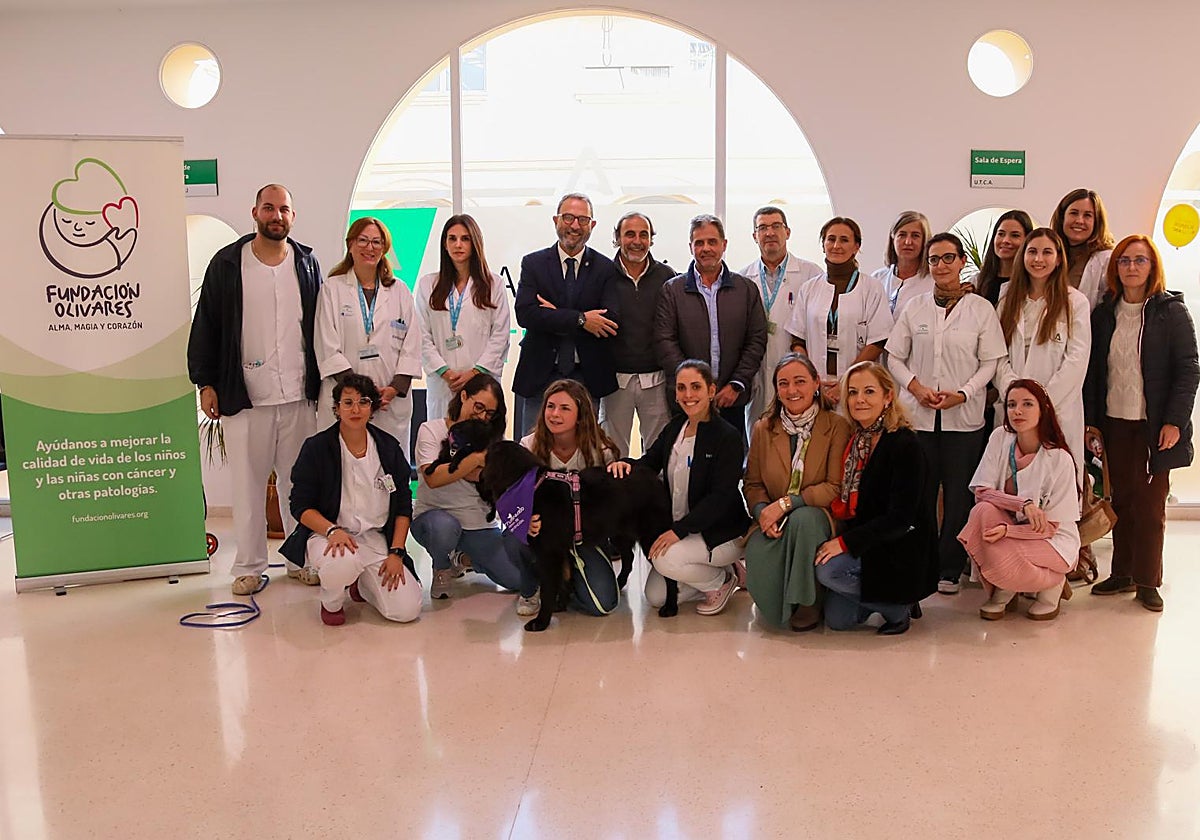
Malaga city's Regional University Hospital has taken a step forward in the treatment of patients with eating disorders: the hospital is going to use a new dog-assisted therapy programme for patients in its eating disorders unit (UTCA). This therapeutic resource complements other approaches already in use and that numerous scientific studies recommend. The programme began this week with a launch event on Thursday afternoon.
The hospital is supported in rolling out this new treatment programme by the Olivares Foundation, an organisation that has been working since 2010 to improve the quality of life of paediatric oncology and hematology patients, as well as those with other serious illnesses, and their families. The company Perruneando Málaga is the one handling these therapies on-site, as it has qualified health professionals with specific training in this type of treatment. The therapies will be administered to both inpatients and outpatients, strictly adhering to a work and safety protocol drawn up by the unit's clinical team.
Building a bond
The idea is to create a bond, to help patients regulate their emotions and improve their self-esteem, as well as boost their motivation to follow the treatment prescribed by the unit's professionals.
Interaction with dogs promotes body acceptance by alleviating self-criticism in patients with eating disorders
These types of therapies with dogs are an essential complement to the treatment of anorexia and bulimia because they help reduce anxiety and, of course, help break the isolation felt by sufferers of these disorders. The contact between animal and human generates calm and the person opens up more during the sessions, developing a greater tolerance for intense emotions and connecting with their body in a safe environment. Furthermore, contact with the dogs helps with unconditional acceptance of one's own body, alleviating self-criticism and breaking the vicious cycle of rumination or self-harming impulses.
The Regional Hospital states that the aim is to strengthen adherence to treatment and emotional well-being, areas that are "especially sensitive in eating disorders, where anxiety, low self-esteem, lack of motivation and difficulty with expressing emotions are common and act as barriers to the recovery process".
The sessions, structured and supervised by psychiatrists and occupational therapists from the unit, allow patients to work on aspects such as self-confidence, impulse control, frustration management and social skills in a safe environment.
Monthly treatment
The therapy sessions will run once a month, with separate sessions for patients needing full hospitalisation and those requiring only partial hospitalisation. They will follow procedures that guarantee clinical safety, animal welfare and proper patient selection, including hygiene controls, activity logs and continuous supervision by the UTCA team.
The delegate for the regional health ministry, Carlos Bautista, gave assurances that the programme is "rigorous, safe and in line with scientific evidence", while the manager for the Olivares Foundation, Belén Gaspar, emphasised the project's social and emotional relevance: "The foundation is proud to promote programmes that directly impact patients' quality of life. We know that the bond with dogs has enormous therapeutic potential and making it available to young people going through such a complex process represents real progress in humanisation and genuine support."
The event was also attended by the president of the Olivares Foundation, Andrés Olivares, and the deputy medical director of Malaga city's Hospital Civil, Natalia Mena.
UTCA is a leading centre on addictions for western Andalucía and provides inpatient care not only to patients from Malaga, but also referrals from Huelva, Cadiz, Cordoba and Seville.
This project is very much in line with the Junta's 'humanisation strategy', part of its plan for the public healthcare system in Andalucía to focus its attention on the individual patient as a person, respecting their dignity and rights.
![[]](http://static.vocstatic.com/voc26/latest/assets/images/favicon/surinenglish/apple-touch-icon-57x57.png)