
Nature
Have you spotted these creepy crawlies in your Costa del Sol home and should you be worried?
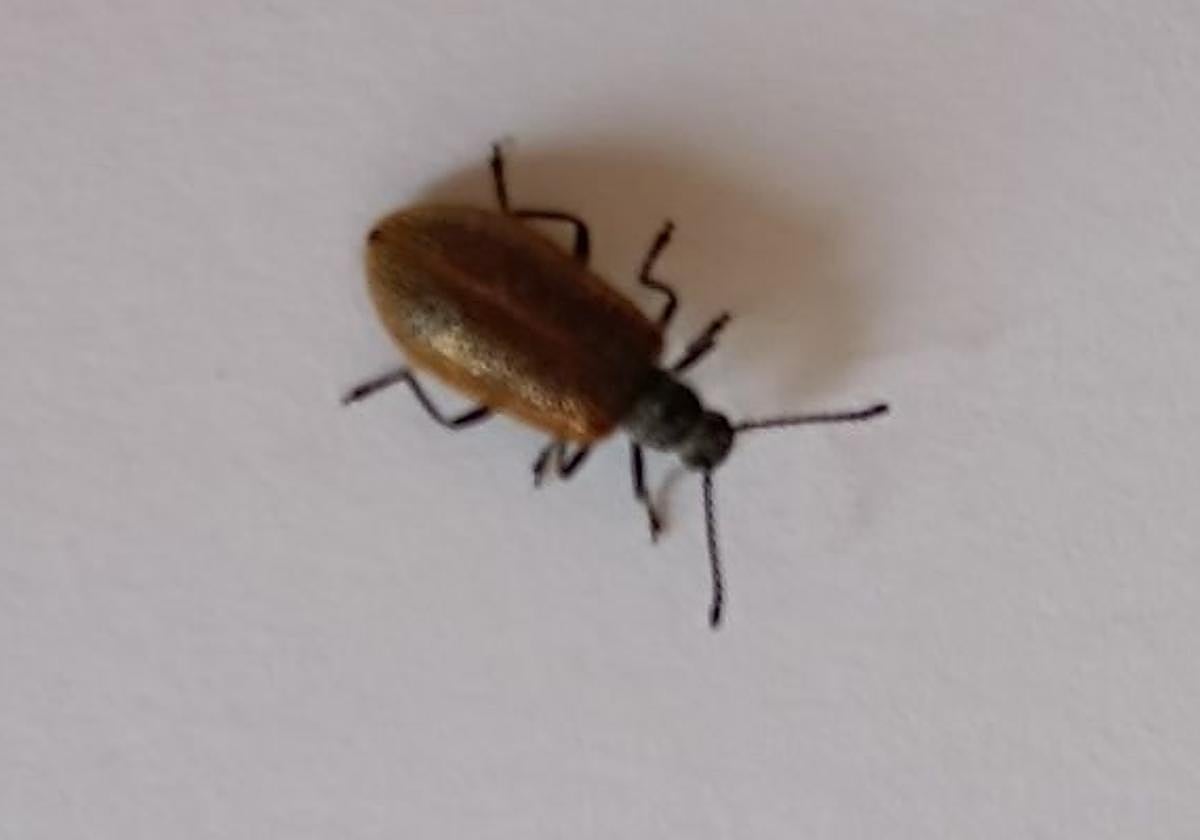
Since the end of summer, there has been an outbreak of tenebrionids appearing in many parts of Malaga. So what's the reason(s) for their appearance?

Malaga
For several weeks now, coinciding with the end of summer and the arrival of autumn, there has been a mass hatching of some small insects, mainly populating the windows and roofs of houses and offices in the Centro, El Ejido, El Palo and Martiricos districts in the capital of the Costa del Sol, as reported to SUR by local residents from these areas.
Many readers have wondered what these creatures are, why they often remain motionless for hours on end and whether they are a problem for people. Raimundo Real, professor of zoology at the University of Malaga (UMA), provides several clues. Firstly, their identity: they are tenebrionids of the Lagria genus. In plain English: completely harmless beetles.
Yes, it is unusual for them to appear in such numbers in homes, although it is not wholly uncommon, according to the professor. "Tenebrionids [darkling beetles] in general are called that name because they like the dark. It is an insect family that includes many different types of bugs, even many of the black beetles we know - and are very familiar with - are the most typical tenebrionids."
It is likely that the late winter and spring storms decimated their natural predators and this has increased the number of hatchlings
In nature, they are usually found in leaf debris on the ground, in the depths of relatively dark woodland and forest, and they feed on the decaying organic matter there. "It can happen that they suddenly have an occasional and large population explosion, which is not uncommon in this family of beetles."
Causes of such mass hatching
Why such a hatching right now in Malaga? The cause is unclear, although Prof Real suggests that the 'dana' storms of last winter and spring may have more negatively affected some natural predators of this species, as has happened with chameleons, for example, and that is why more beetles are being noticed. "If the bad weather has harmed some predator, then this species will have suddenly found that almost all its eggs have hatched."
The phenomenon is similar to what has happened in certain years with ladybirds that, for a few days, populate glass panes and window sills in some urban districts, especially those on the coast, blown around in huge swarms at the mercy of the winds at any given moment.
In the animal kingdom, there are two types of reproductive strategies: K is that of humans, elephants, whales and others. They have few offspring and care for them intensively until they reach adulthood. In contrast, the R strategy consists of having many offspring so that some remain after extensive culling, as is the case with insects. "There, almost all the offspring are expected to die, but if, for whatever reason, there is a year in which this death rate does not occur, you can have an abundance of bugs like we have right now."
![[]](http://static.vocstatic.com/voc26/latest/assets/images/favicon/surinenglish/apple-touch-icon-57x57.png)