
History
In pictures, the photography pioneer who created 300 jobs in a Malaga town
A new exhibition remembers Bartolomé Ros, author of iconic images of the first part of the 20th century and a successful entrepreneur in the film developing business


Alhaurín de la Torre
If he were a comic book character, he would be Jimmy Olsen, Superman's friend - the photographer for the Daily Planet, who, like Cartier-Bresson, did not want to let go of his camera in case he missed the decisive moment to capture the scene. But Bartolomé Ros is not fiction. He was born in Los Dolores, a district in Cartagena, in 1906. In 1918, he arrived in Ceuta, a Spanish city bordering the coast of North Africa, with his father, mother and sister.
Despite hardly any educational background, he discovered his talent for photography and, after learning the basics in the studio run by the Calatayud brothers, when he was still not 14 years old he borrowed money from his father to buy a Zeiss Contessa Nettel camera and a makeshift darkroom
He became an expert in developing photographs and was inspired - as his daughter Rosa Ros Amador recalls - to capture on camera soldiers, bullfighting fans and ordinary people walking down the streets.
He had the opportunity to photograph residents, military life, the creation of the Tercio de Extranjeros (the Spanish Legion) and the influence of the Spanish Protectorate of Morocco in Ceuta. His photographs filled the pages of ABC, Blanco y Negro and countless other publications, including the special issue in March 1929 that National Geographic dedicated to Spain. After reaching an agreement with AGFA (a Belgian-German photographic company), he set up Casa Ros in Ceuta and began to work with the company Philips. The business expanded to Tangiers and other major cities and, in 1952, he set up his main laboratories in Tetouan.
In 1955, Morocco's independence from Spain forced him to leave for the mainland and, although he had to start from scratch, in 1963, he successfully created the Ros Fotocolor laboratory in Madrid.
In 1969, he opened a branch in Malaga province, in Alhaurín de la Torre, which was only five years before he died in Madrid on 29 December 1974. In Alhaurín his work is now being commemorated at the Vicente Aleixandre cultural centre, with an exhibition open until 31 October.
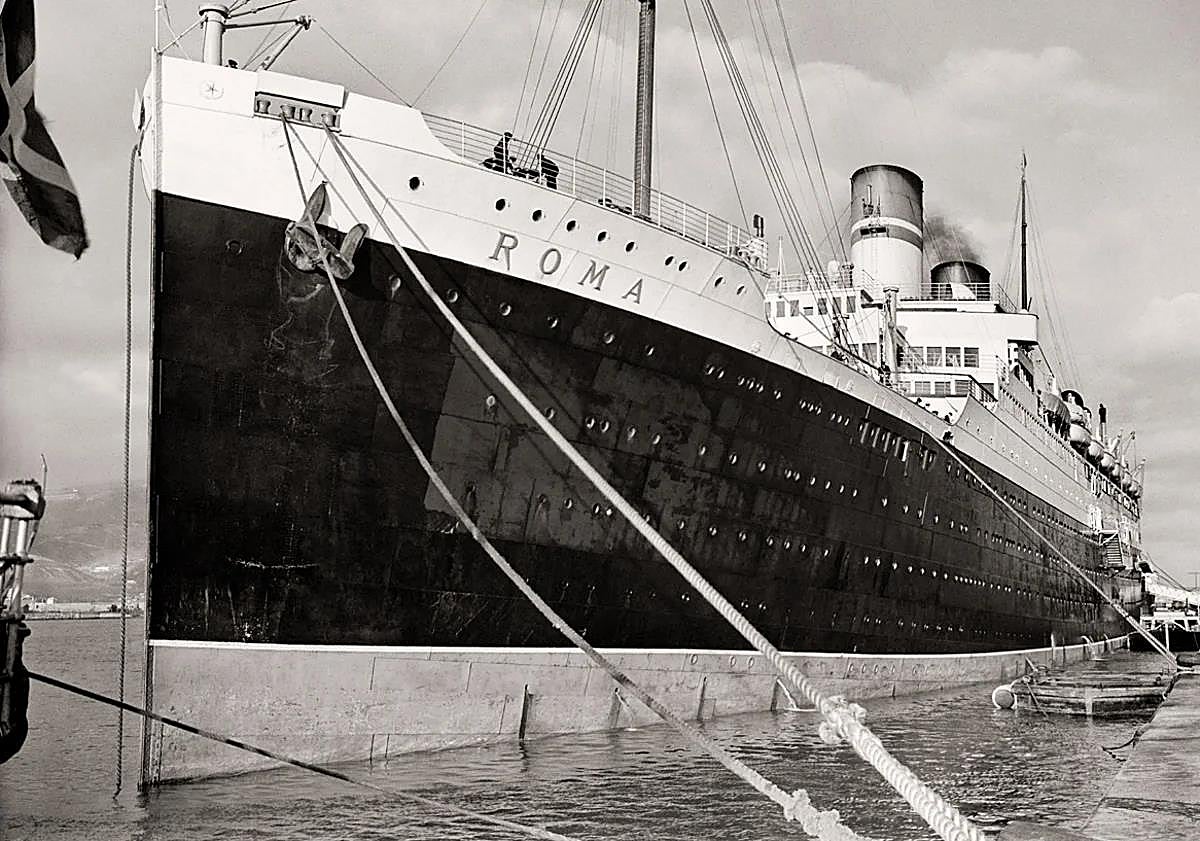

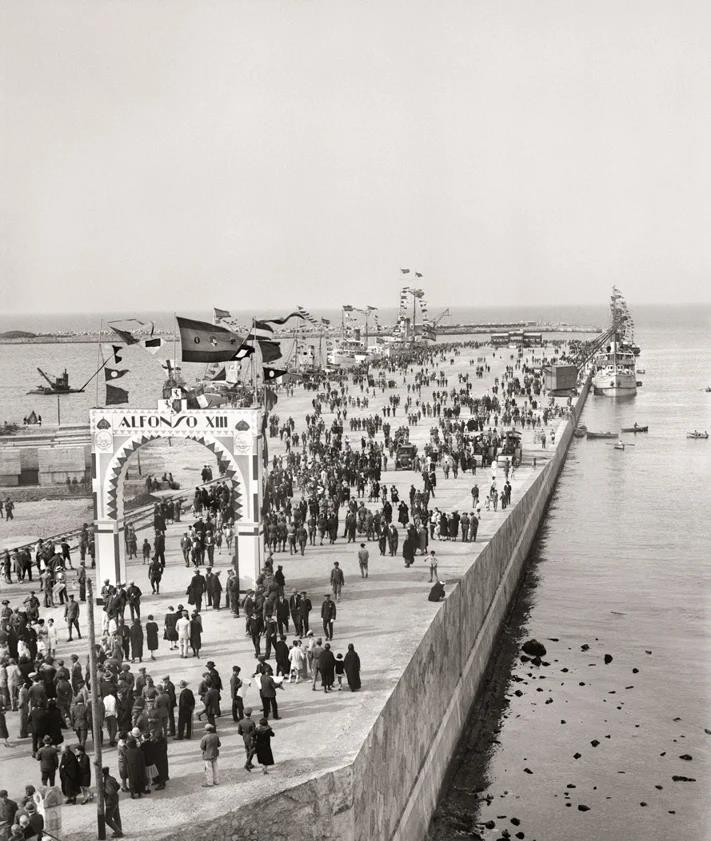
The mayor, Joaquín Villanova; the councillor for culture, Manuel López; and the photographer's daughter, Rosa Ros; inaugurated the exhibition, in which the mayor said: "He was a brilliant photographer and created the best photograph developing company in Spain in Madrid and in Alhaurín de la Torre, where he created more than 300 jobs in the municipality. We are very grateful."
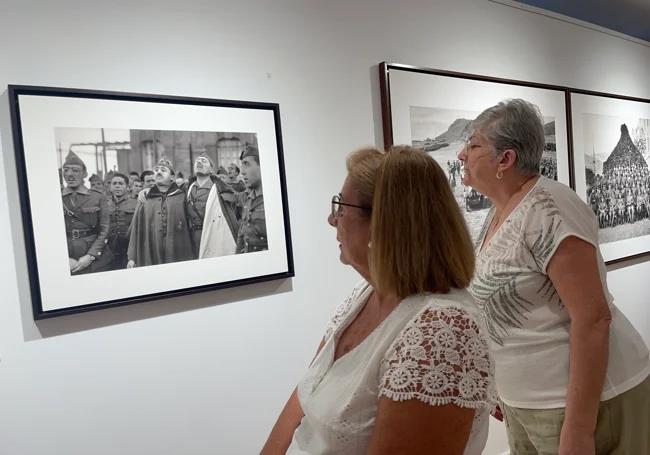
After ten years of study and cataloguing, Ros's personal photographic archive, which was discovered in 1983, was exhibited in Ceuta and formed part of the series Memories of Absence.
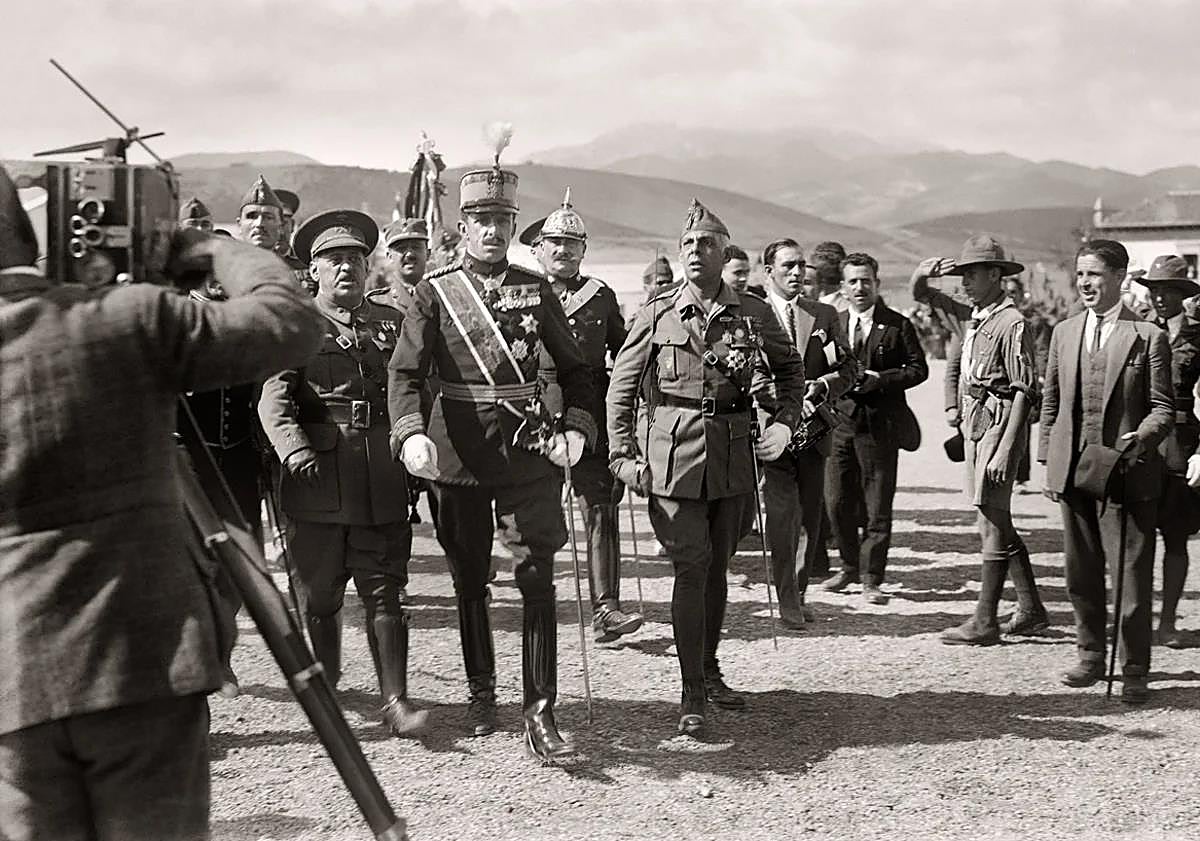
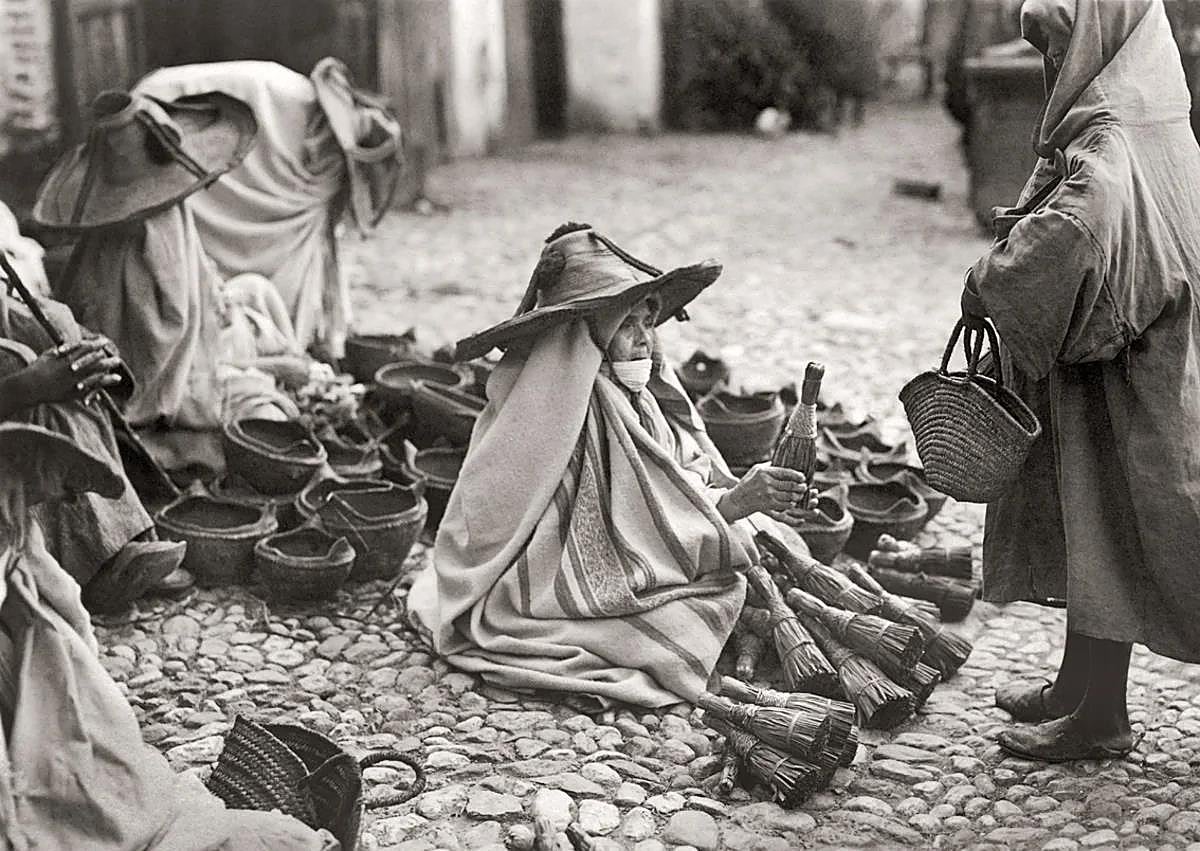
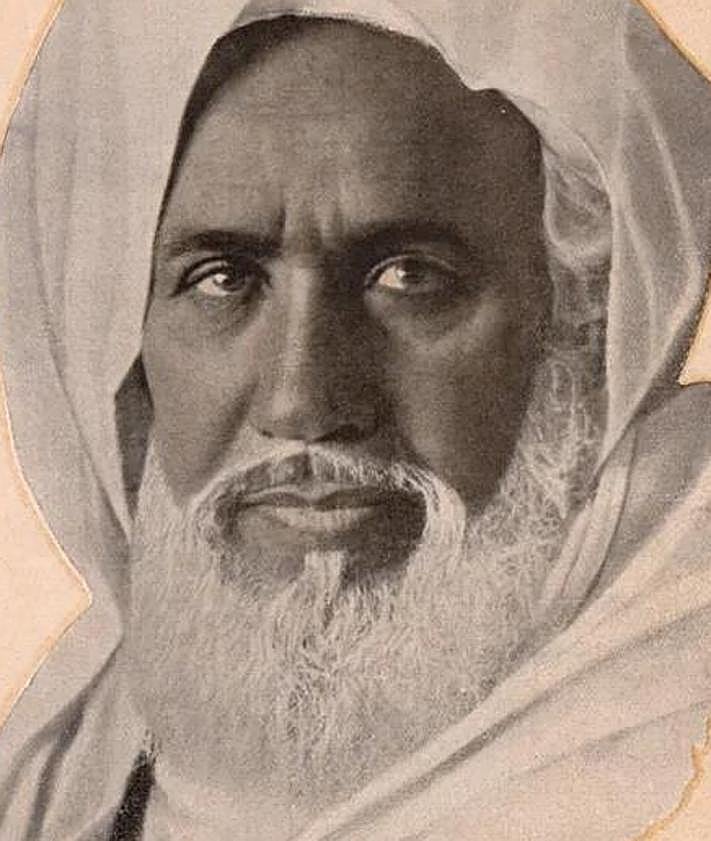
Since then, says Rosa Ros proudly, this valuable archive has been exhibited in numerous Spanish cities, at the London School of Economics, has been presented by the historian Paul Preston, and at the Cervantes Institute, which exhibited them in their five Moroccan offices, as well as hosting an online virtual exhibition.
Recently, his family reached an agreement with the city of Ceuta for his photographic archives to be based there.
![[]](http://static.vocstatic.com/voc26/latest/assets/images/favicon/surinenglish/apple-touch-icon-57x57.png)