
THE STORY BEHIND A PLACE NAME
Carratraca: A spring with curative waters
The earliest written reference to the village is from its Muslim era, when it was called carr-altrak, meaning 'cleansing of impurities'
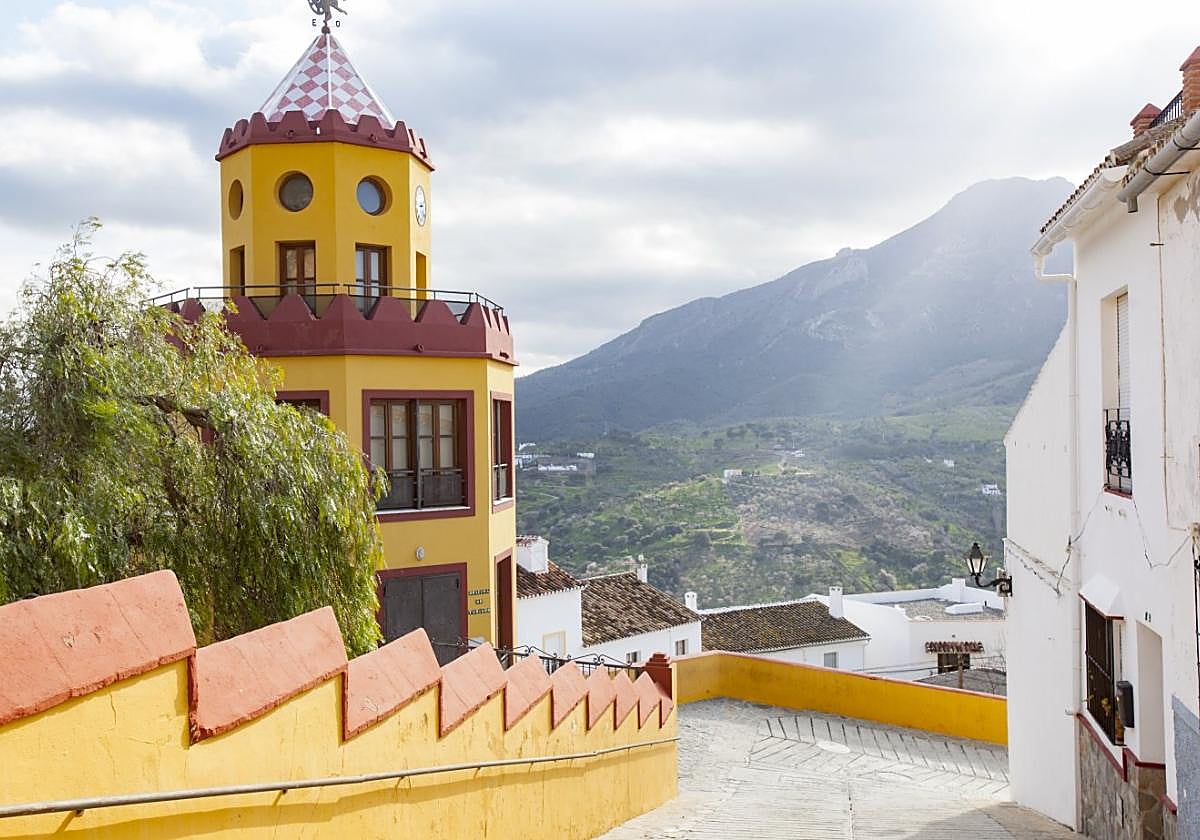

Known as the 'diamond of Malaga', the village of Carratraca is located in the Guadalhorce valley, and it is believed to have been a settlement since the Copper Age. Archaeologists discovered cave paintings and archaeological remains from the Eneolithic period, which endorse the theory of a human presence in the area since the beginning of prehistory, which is also evident in the neighbouring village of Ardales.
There are, however, no records of any name of the settlement at this time, and even though the Romans are also said to have settled here centuries later, historians have been unable to find by which name it was known to them either.
Academics claim it was the famous sulphur water springs that attracted the Romans, as several relics have been discovered on the site of La Glorieta, which include various copper and silver coins bearing the images of Roman emperors.
The earliest written reference to the village is from its Muslim era, when it was called carr-altrak, meaning 'cleansing of impurities', which seems to refer to the curative properties of the springs, although it is of common belief that this name derived from an earlier, unknown name.
Although there was a settlement on the site of Carratraca during the Arab occupation of Spain, the present-day village dates to the 19th century and appeared as a result of extensions to a farm called Aguas Hediondas (smelly waters), which most likely referred to the smell produced by the sulphur in the spring's water.
In its heyday in the 19th century, when bathing in the waters was fashionable, this spa attracted such famous visitors as Lord Byron and Empress Marie Eugenie, wife of Napoleon III. The spa, although currently closed, has remained one of the village's top attractions.
The current name of Carratraca is simply a Latinisation of its Arabic name.
![[]](http://static.vocstatic.com/voc26/latest/assets/images/favicon/surinenglish/apple-touch-icon-57x57.png)