
Travel
Fingerprint and facial recognition for non-EU visitors to Spain starts this Sunday, but not yet at Malaga Airport
May has been set as the deadline for the EES to be implemented at airports and ports around the EU. The biggest affected group in Malaga are the British: 5.7 million passed through the gateway to the Costa del Sol last year
Chus Heredia
Malaga
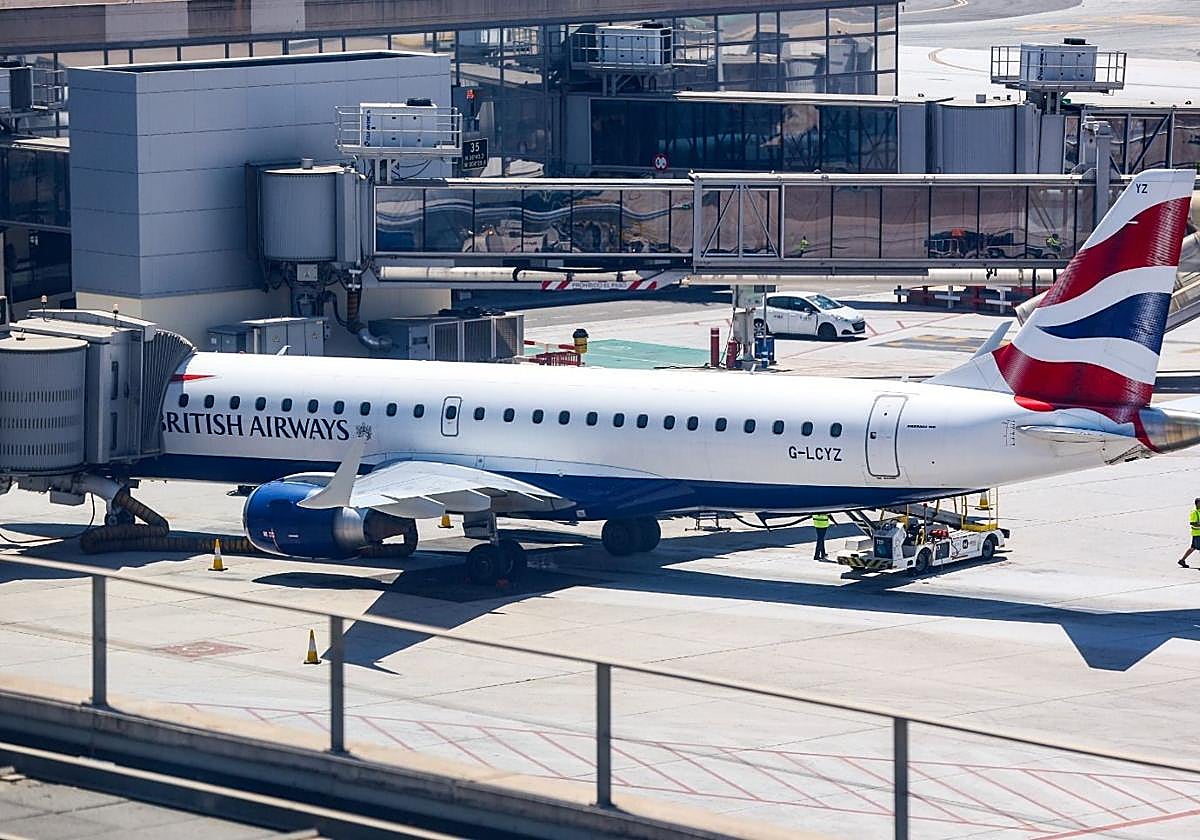
The EES (Entry/Exit System) is a security protocol designed to increase control of European borders. Put like that, it may seem like a distant issue, but it directly affects Malaga. Last year 5.7 million British visitors passed through the airport. They are not the only ones affected, but they are the biggest group required to comply with the new system, which includes biometric control of passengers and comes into operation in the EU from this Sunday, 12 October.
It is a significant change and has generated some uncertainty in the sector due to fears of queues and added hassle on arrival.
Malaga Airport, however, will not be implementing the EES for the time being. This Sunday, only Barajas Airport in Madrid will be starting partially. The system will come in around the country gradually and will coexist with manual stamping for six months. However, the deadline for its general implementation is in May.
Related story

The new Entry and Exit System (EES) replaces passport stamps with a digital and biometric record. Passengers from outside the European Union will have to scan their passport and register their biometric data (fingerprints and photo) as well as personal and travel data on their first entry into the EU after the system is implemented.
So why is the EES being brought in? To have more precise control over visitors' length of stay and to speed up border controls. People from outside the EU are only permitted to stay in the union for short periods of up to 90 days within a 180-day period. The system will automatically monitor the length of stay, and exceeding the limit may result in fines or entry bans.
For EU officials, the EES will provide reliable real-time data, helping national authorities identify individuals who pose a threat to security, as well as cases of document and identity fraud. It will also help detect irregular migration by identifying individuals who overstay their permitted length of stay or those who attempt to enter any EU country irregularly.
Help available
Aena has just put out to tender the service to advise passengers on the use of the EES border registration self-service kiosks. The service will provide the necessary instructions, if required, to ensure that the processes at these points are carried out without affecting security, in compliance with current regulations and providing the service with the quality required.
All this must be done with the collaboration and guidance of the security forces. The contract for Malaga Airport is worth 363,000 euros. This service will be provided for three months, extendable for a further three months. The total investment in Spain for adaptation to the EES has been 83 million euros.
![[]](http://static.vocstatic.com/voc26/latest/assets/images/favicon/surinenglish/apple-touch-icon-57x57.png)