
Travel
New European Union entry/exit system to be introduced gradually at airports in Spain over next few months
The British Ambassador to Spain, Alex Ellis, urges residents in Spain without a TIE card to apply for one to avoid problems when the EES is rolled out
Rachel Haynes
Malaga
The British ambassador to Spain, Alex Ellis, spoke to SUR in English this week about the coming into force of the EU's new Entry/Exit system for non-EU residents this coming Sunday, 12 October.
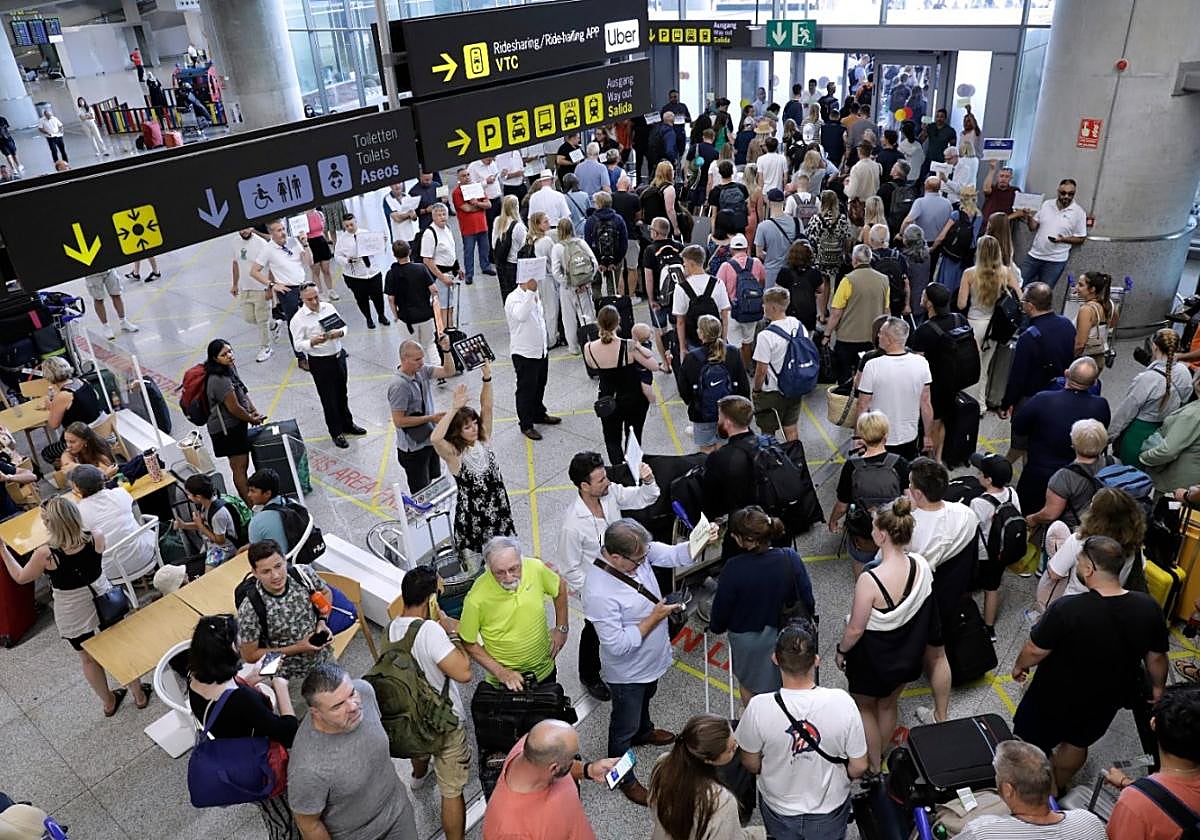
Sources from Malaga Airport confirmed that the recording of travel document data, fingerprints and captured facial images, among other information that will be required from non-EU passengers, would not be starting this weekend on the Costa del Sol, but would be rolled out gradually over the next few months.
Alex Ellis confirms this: "Essentially the entry into force is being staggered over six months. I think Madrid is first on Sunday and with only roughly 10 per cent of the passengers."

"The Spanish authorities have obviously been preparing for a while but they want to take it step by step," said the ambassador, describing two main issues: the sheer volume of passengers travelling between the two countries - 18.4 million visitors from UK to Spain last year - and "it's an IT system and that always takes a bit of work".
"There are an awful lot of airports and ports. I think Spain and the UK have more flights between each other than any other two countries so there's a lot to cover," said Ellis.
TIE cards for residents
The ambassador is keen to reiterate one of the current major concerns of the British consulates around Spain: "There are still a lot of residents who don't yet have a TIE [foreigners ID card] and that is important because having that is a proof of residency which enables you not to have to go through the same processes as a British passport holder who is not a resident in Spain."
Ellis clarified that while applying for a TIE was not compulsory for British residents previously holding an EU green document, they will need one to be recognised as resident in the EU by the EES system.
Not having this could lead to their data being entered in the system for non-residents and eventually being considered as an overstaying visitor.
Non-residents are only allowed to be in the EU for 90 out of 180 days, something the ambassador confirms is unlikely to change: "The first summit since the UK left the EU took place in May of this year and a few agreements were reached and more were launched but that is not one of the things envisaged. I think that your readers should work on the assumption that that 90-day rule will remain," said the ambassador.
![[]](http://static.vocstatic.com/voc26/latest/assets/images/favicon/surinenglish/apple-touch-icon-57x57.png)