
Water
Why have three municipalities in Malaga province declared their water unfit for drinking?
Iznate, El Borge and Totalán town halls in the Axarquía have temporarily advised residents not to drink the tap water after detecting high levels of chlorates, which have only recently started to be measured since the introduction of new regulations
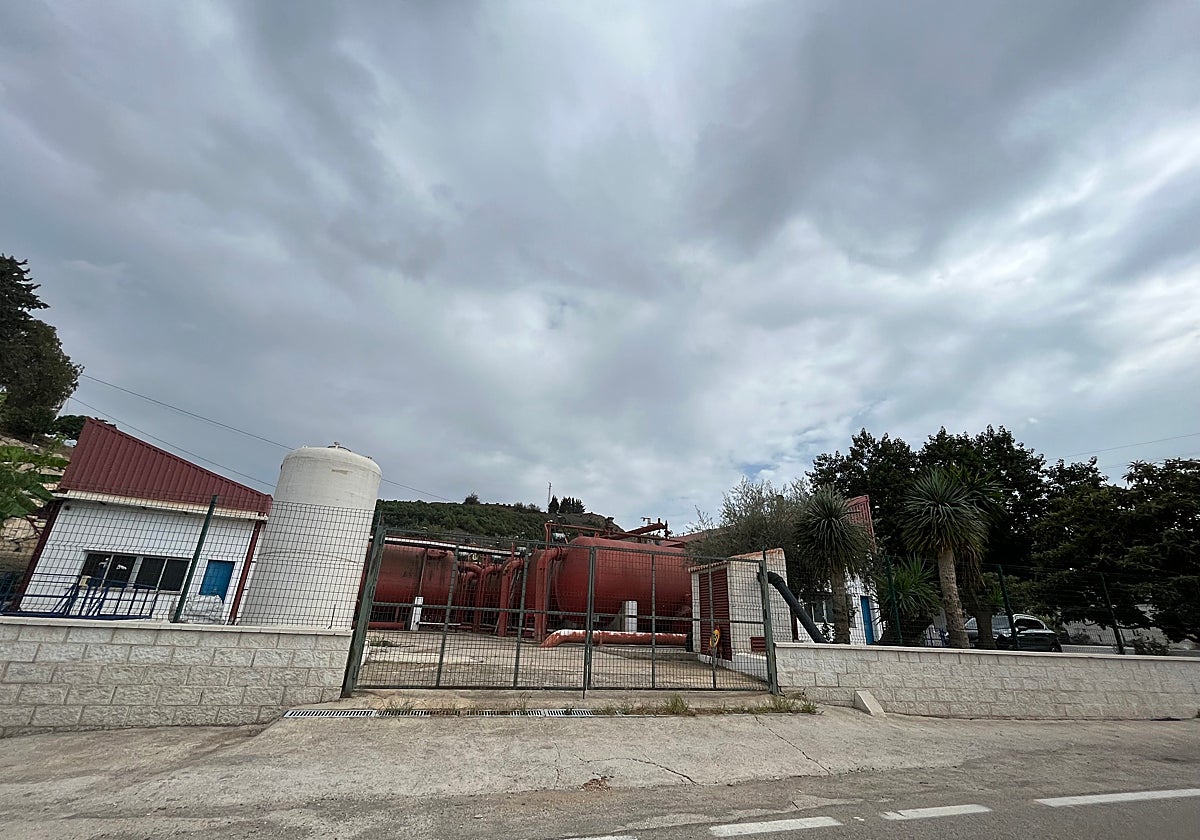

Three small municipalities in Malaga province's Axarquía area: Iznate, El Borge and Totalán, have, in the last three weeks declared the water in their municipal networks unfit for human consumption due to the detection of chlorate levels which are above the limit set by the new state regulations. The new regulations establish a maximum of 0.7 milligrams per litre.
The tap water, which comes from La Viñuela reservoir, is therefore not contaminated, but the chlorates are a by-product of the chlorine disinfection process itself, which until this year was not specifically controlled in routine analyses.
The Axarquía health district issued successive unfavourable reports for the municipal networks of the three villages as the chlorate levels were higher than the new regulations allow for, forcing the respective town halls to temporarily declare the water unfit for drinking or food preparation, although it was suitable for other domestic uses such as showering and cleaning.
The situation, which has caused concern among local residents and town halls, has evolved differently in each village. Iznate, the first to declare its water unfit for consumption, has already returned to normal after receiving favourable analyses in all its network. However, in El Borge and Totalán, the recommendation remains in force while corrective measures are completed and new analyses take place.
The three episodes have the same common denominator: the entry into force of Royal Decree 3/2023, which updates the health criteria for drinking water in Spain and introduces for the first time the limit for chlorates.
No serious risk to health
Technical sources consulted by SUR explained that the new regulations have made it necessary to "toughen up routine analyses", which has detected higher levels that would previously have gone unnoticed. "We are not dealing with a contaminant introduced accidentally, but with a by-product of the usual disinfection process. The problem arises when, due to insufficient maintenance or prolonged use of hypochlorite, degradation occurs that increases the presence of chlorates," say public health officials.
"Residents can shower and use the washing machine normally, but we recommend that they do not drink the tap water or cook with it until further notice," said one of the councils, which has set up distribution points for bottled water. "We understand the unease, but we are obliged to comply with health regulations and be extremely cautious," added municipal sources, who insist on the preventive nature of the measure.
Experts consulted by SUR insist that the presence of chlorates at occasional high levels does not imply an immediate or serious risk, but it can pose a problem in cases of prolonged exposure, especially in babies, pregnant women or people with thyroid problems, since these compounds can interfere with the intake of iodine. For this reason, the health protocol establishes that any exceedance of the reference value should be declared "unfit" until a return to safe levels is confirmed.
The three municipalities agree that part of the problem lies in the municipal infrastructures, many of which have been in use for decades. Public water company Axaragua, which is responsible for the management of the Viñuela-Axarquia system, has highlighted that the levels at the reservoir outlet and at the delivery points are "within the legal parameters", so that the high levels are occurring in the municipal secondary networks, which are subject to highly variable maintenance and storage conditions.
The Axarquía has encountered further problems that highlight a recurring challenge: guaranteeing water quality in an subject to prolonged drought, regulatory changes and a supply network in urgent need of modernisation.
![[]](http://static.vocstatic.com/voc26/latest/assets/images/favicon/surinenglish/apple-touch-icon-57x57.png)