
Tourism
Torrox officially recognised as Malaga province's eleventh 'tourist municipality'
Mayor Óscar Medina said that the recognition will allow access to new sources of funding and that he is confident of maintaining stable tourism "365 days a year"
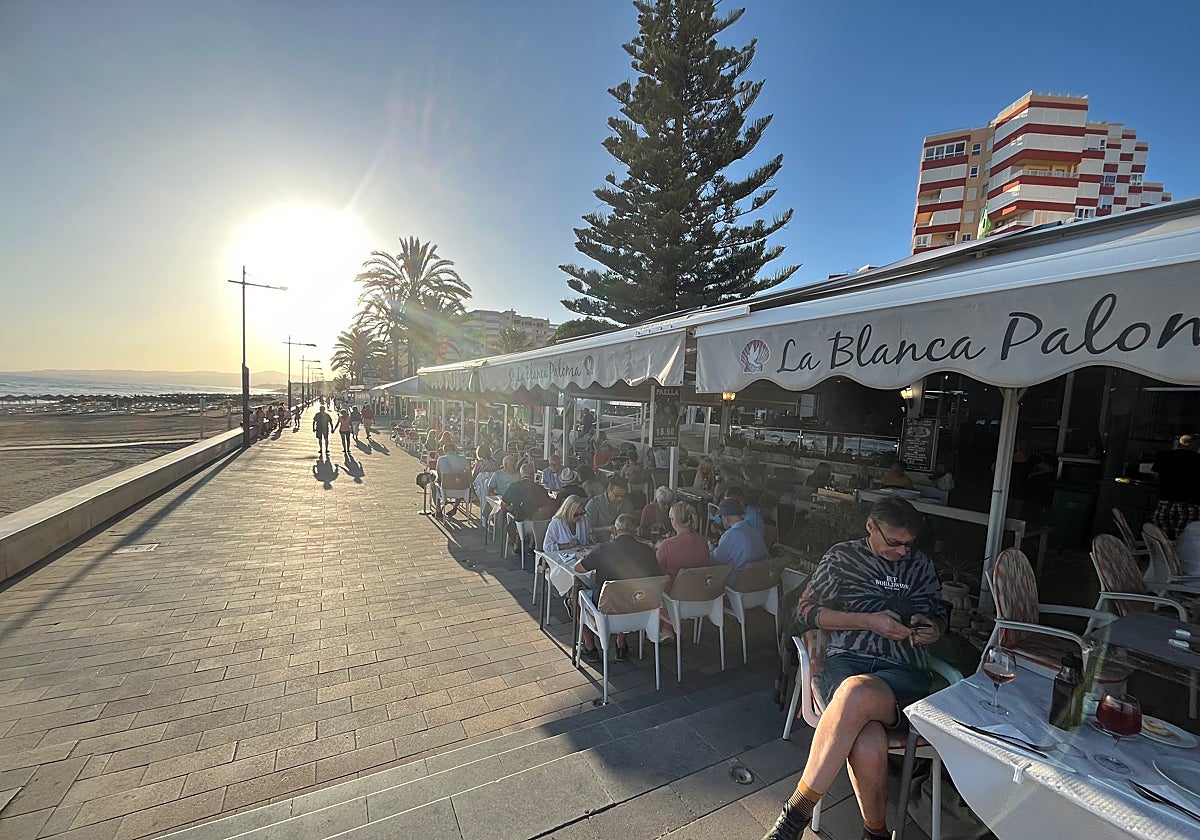

Torrox on the eastern Costa del Sol has become Malaga province's eleventh official 'tourist municipality' (municipio turístico) and joins Álora, Antequera, Ardales , Benalmádena, Estepona, Fuengirola, Frigiliana, Nerja, Ronda and Torremolinos.
This recognition is granted by the Andalusian regional government "to correct or at least compensate for the negative effects that tourist activity may have on these municipalities, given that the 'Ley Reguladora del Régimen Local' law does not provide any mechanism to compensate for the financial imbalance caused by the overprovision of municipal services due to the influx of tourists".
The Andalusian Tourism Council (CAT), the consultative body of the Andalusian regional government in tourism matters, held a meeting on Monday 27 October at which it also approved Vejer de la Frontera (Cadiz) and Capileira (Granada) as Tourist Municipalities of Andalucía, as well as the Virgen del Rosario pilgrimage in El Cuervo (Seville) and the patron saint festival in honour of Our Lady Virgen del Carmen, in Torrenueva Costa (Granada).
Quality of services
"These designations are a recognition of the efforts of the municipalities to improve the quality of public services with an impact on tourism, preserve their historical and natural heritage, and promote a sustainable development model that consolidates Andalucía as a leading, diverse and excellent destination," said the regional government's tourism department in a statement.
During the meeting, the regional tourism spokesperson Arturo Bernal highlighted the value of these declarations "as tools to boost the competitiveness of Andalusian destinations. We reinforce our tourism leadership by recognising municipalities that have managed to combine the conservation of their heritage, the improvement of public services and the commitment to sustainable and quality tourism. This recognition not only boosts their promotion, but also facilitates access to specific tools and aid to further improve their competitiveness".
Bernal went on to say that Torrox, with a population of 21,583 inhabitants, has "an outstanding sun and beach potential, an important historical heritage and a consolidated offer of accommodation and active tourism". The distinction will also grant free business hours during the summer season and Easter.
"It not only boosts their promotion, but also facilitates access to specific tools and support"
Mayor of Torrox Óscar Medina said in a statement on Tuesday 28 October that the declaration of Torrox by the Junta de Andalucía as a tourist municipality would allow the town to "maintain stable tourism 365 days a year". He added that it also "facilitates access to specific tools and aid to further improve the competitiveness of the municipality".
According to the Junta de Andalucía, Vejer de la Frontera (Cádiz), with 13,171 inhabitants, has demonstrated a remarkable capacity to attract tourists, especially in its historic-artistic centre and in the natural environment of El Palmar, integrating sustainability and heritage management. Capileira (Granada), in the heart of the Alpujarra, with 582 inhabitants, "represents an example of a sustainable rural destination, with a tourist offer linked to the natural heritage of the Sierra Nevada National Park and its ethnographic wealth".
The Virgen del Rosario pilgrimage in El Cuervo (Seville) has been held without interruption since 1960 and has established itself as one of the most representative demonstrations of local identity and religious tourism in the countryside of Seville. The Virgen del Carmen festival in Torrenueva Costa (Granada), with origins dating back to the nineteenth century, which combine processions on the coast and in the sea, offer an outstanding cultural and festive programme that attracts thousands of visitors every year.
These distinctions recognise the uniqueness, continuity and tourist projection of Andalusian celebrations, strengthening the promotion of the region as a destination for cultural and experiential tourism. Bernal added that these figures "allow the benefits of tourism to be redistributed to the region, especially in small and medium-sized municipalities that stand out for their uniqueness and authenticity, thus contributing to balanced and sustainable tourism development throughout Andalucía".
![[]](http://static.vocstatic.com/voc26/latest/assets/images/favicon/surinenglish/apple-touch-icon-57x57.png)