
Tourism
Local foreign community learns about the Axarquía's subtropical fruit sector
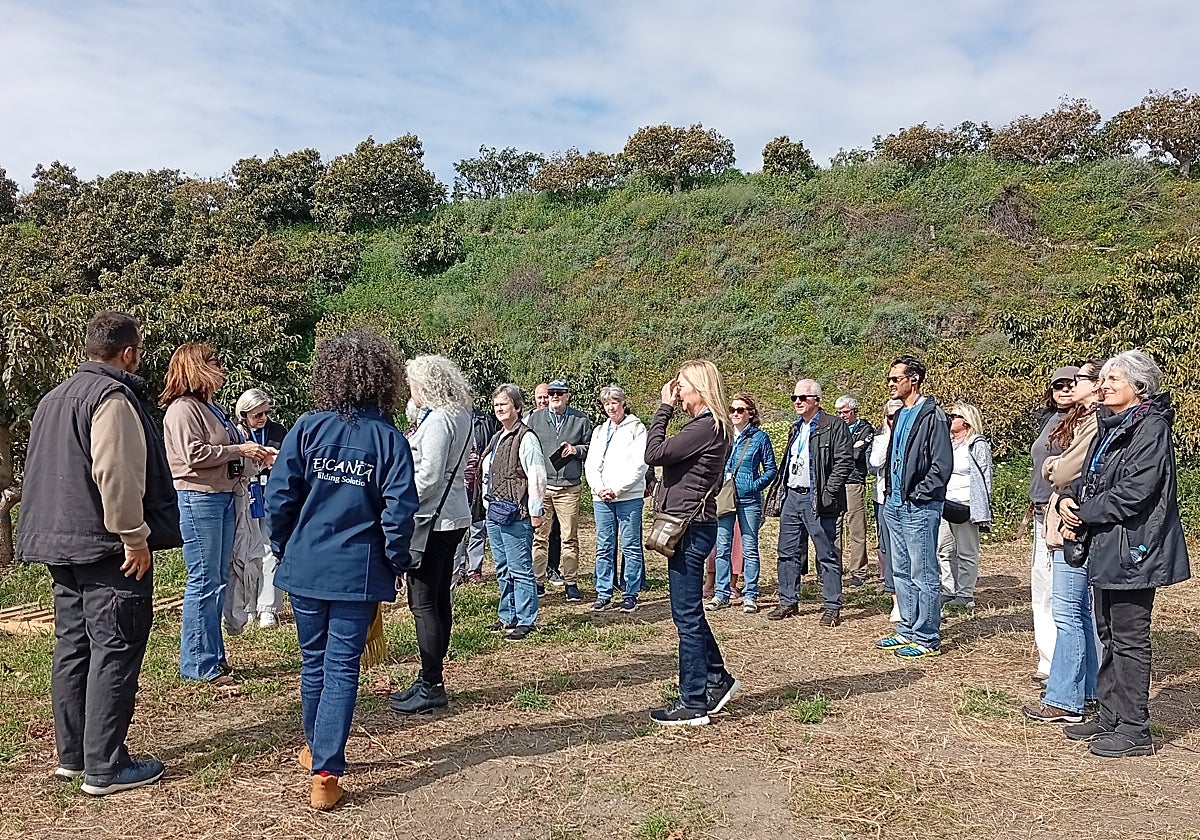
The tour, which was funded by Vélez-Málaga town hall through an EU grant and organised by Plan A tours, included a visit to an organic avocado plantation near Vélez-Málaga and a visit to the Trops tropical fruit cooperative
Jennie Rhodes
A group of around 40 English-speaking residents of the Axarquía area of Malaga province took part in a guided tour organised by Vélez-Málaga town hall to promote the idea of tropical fruit tourism routes on Tuesday 24 March.
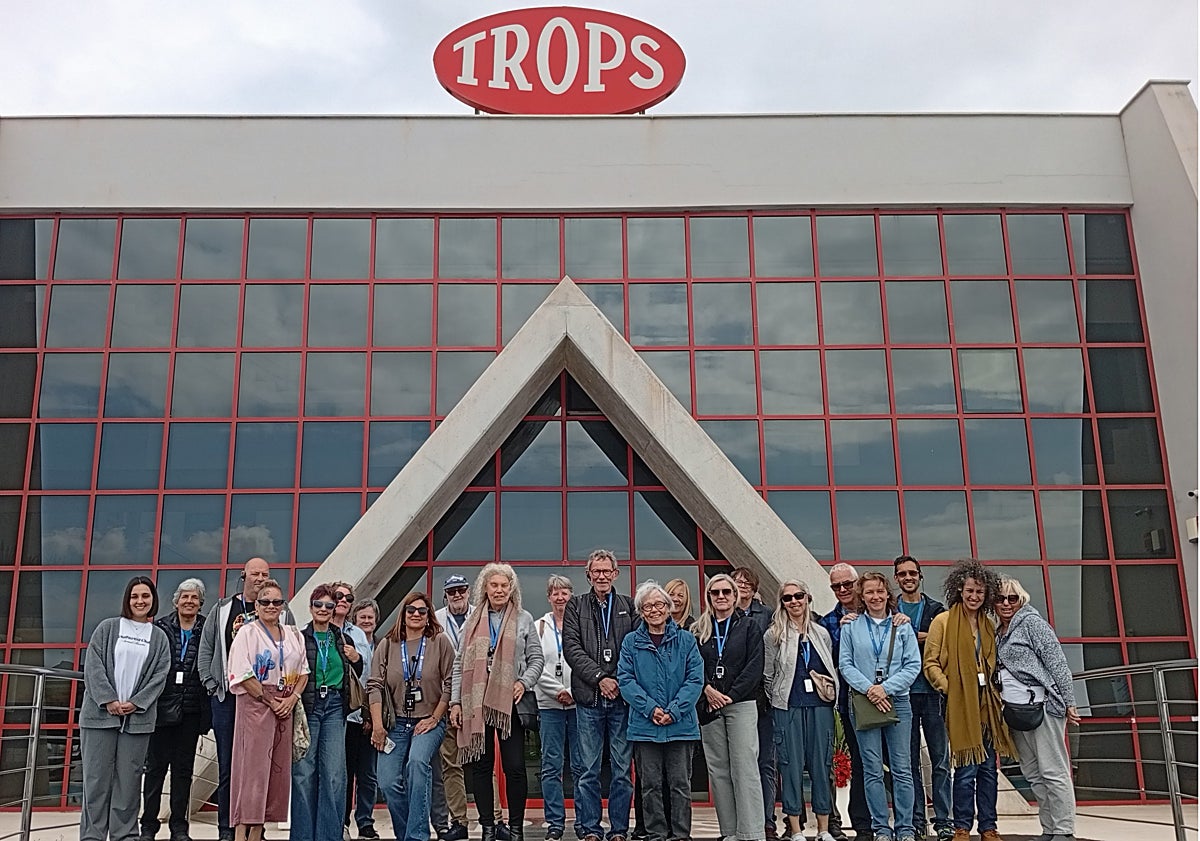
The tour included a visit to an organic avocado plantation near Vélez-Málaga and a visit to the Trops tropical fruit cooperative, which is also based just outside the town. The guided tour was given by local English-speaking tour guide, Elena Sanchis, of Plan A tours, who works closely with the Axarquía’s town halls and tourist board (APTA) to promote sustainable tourism.
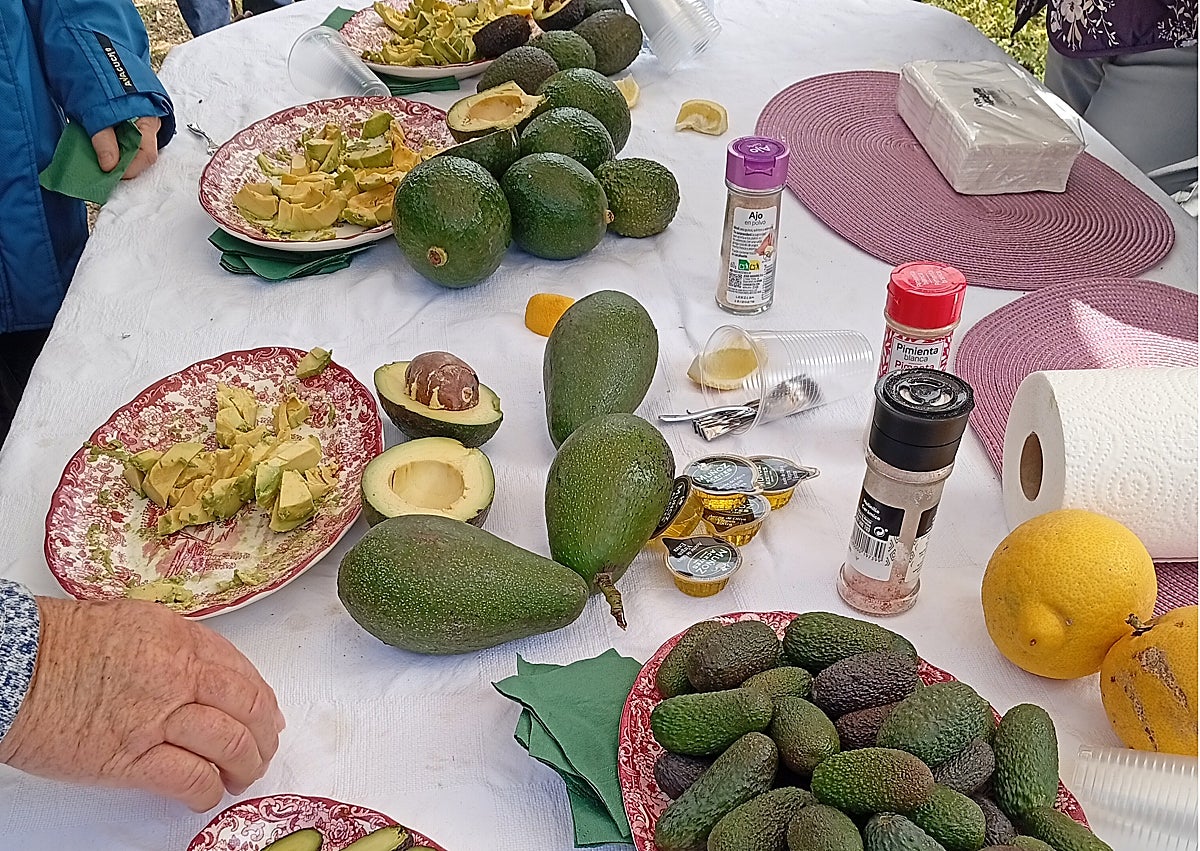
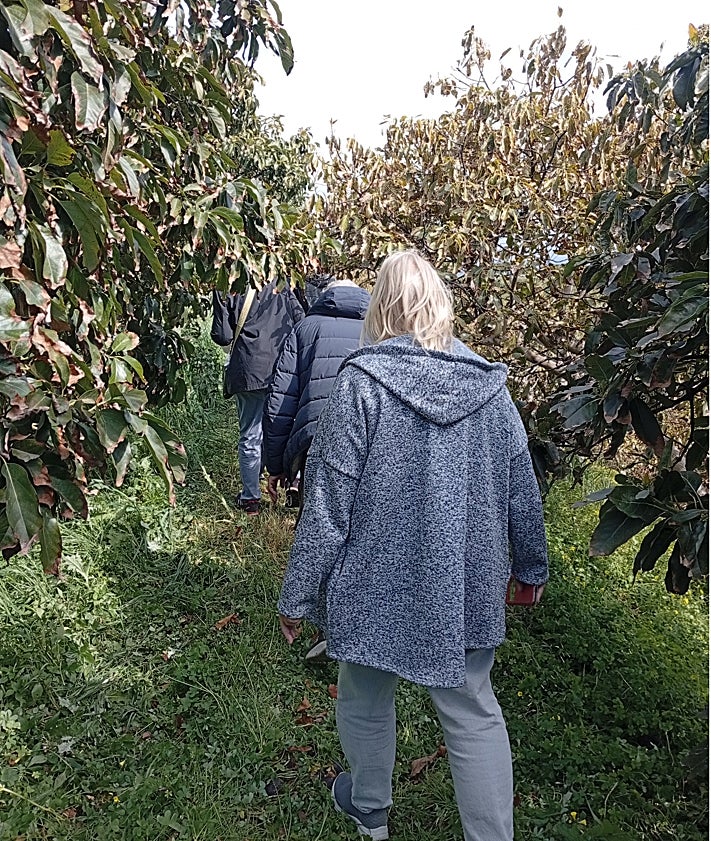
The group got to speak to local tropical fruit growers and see a working plantation during the avocado harvest, as well as taste four different varieties of the fruit and learn more about the history of tropical fruit growing in the Axarquía.
After a tour of the Trops cooperative where they got to see first-hand workers sorting and packing avocados to be exported to other EU countries, they sampled different types of guacamole produced by the cooperative, as well as ‘mangocello’ liqueur which is also produced there using locally-grown mangoes.
The avocado harvest starts in October and lasts until May, depending on the variety, while the much shorter mango harvest typically lasts from late August until late November.
Tuesday’s visit formed part of the town hall’s destination tourism sustainability plan: promotion of local products for tourism: tropical tourist routes, for which it has secured Next Generation EU funding.
Through the funding, Vélez-Málaga aims to “create a more diversified and attractive tourism offer, showcasing local products such as tropical crops and fruits, which constitute one of the main activities and economic pillars” of the municipality. The sector provides employment to thousands of people in the Axarquía and has brought technological innovation to the agri-food sector.
Tropical fruit like mangoes and avocados were first introduced to the Axarquía and neighbouring Costa Tropical in Granada province in the 1970s and have become a major source of income and employment in what is considered one of the poorest parts of Spain.
Traditional crops which include Muscat of Alexandria grapes, almonds and olives are not as profitable as subtropical crops and many farmers have either diversified away from those or grow mangoes and avocados to supplement the income they get from the traditional crops.
However, water management has put the spotlight on the subtropical sector in recent years due to the five years of drought suffered in the Axarquía, with La Viñuela reservoir, which in the main water supply for domestic and irrigation use in the area, almost completely drying up, with just seven per cent capacity at its worst point.
Critics say that subtropical fruit should not be grown in dry Mediterranean countries and authorities have been slow to find solutions like a desalination plant for the area. However, with periods of heavy rainfall over the last two years, the reservoir is currently at 90 per cent of its capacity and the agricultural sector is once again starting to flourish.
Now the tourism board and local authorities are keen to harness the attractiveness of gastro-tourism in the Axarquía as well as diversify away from the traditional coastal holidays to showing what inland towns and villages in the east of Malaga province have to offer.
![[]](http://static.vocstatic.com/voc26/latest/assets/images/favicon/surinenglish/apple-touch-icon-57x57.png)