
Health
Malaga woman undergoes two kidney transplants in 28 years and keeps living healthily
Antonia García tells SUR her life story marked by chronic kidney disease and the unwavering support of Dr Verónica López
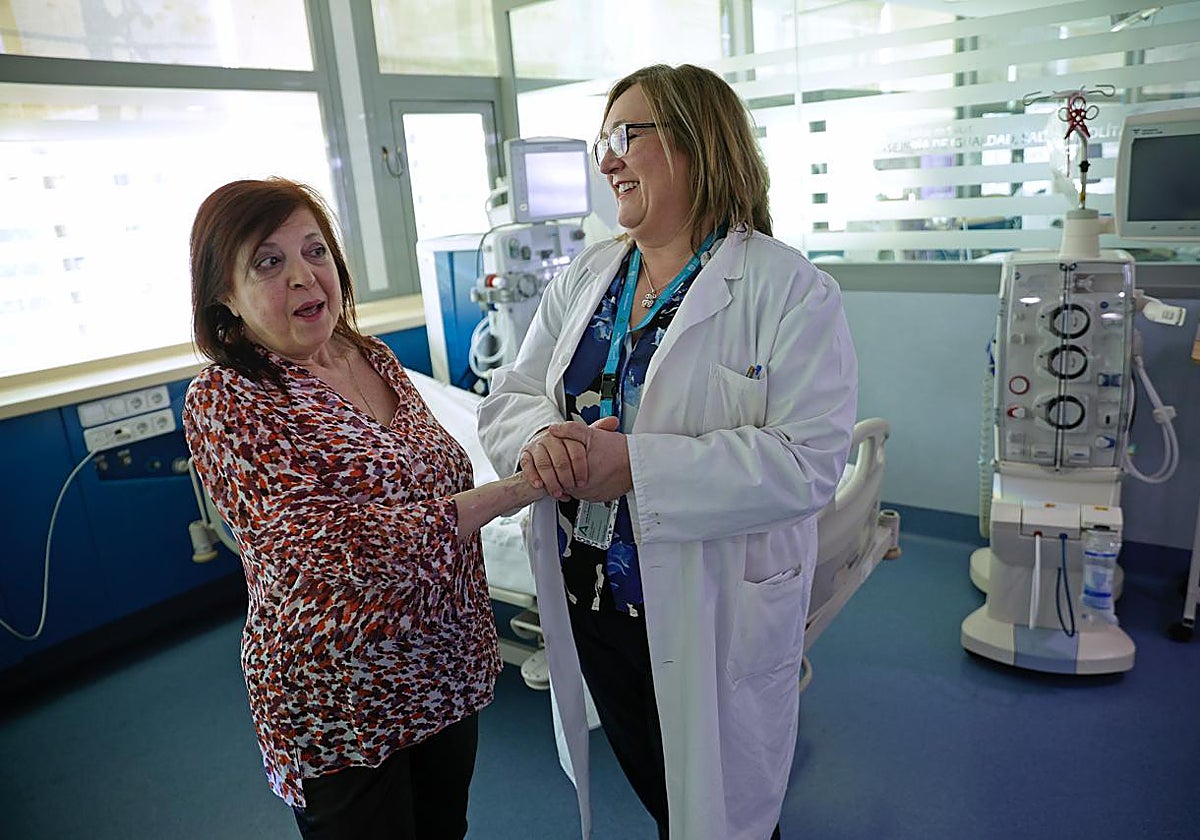

The silver lining in a life with a chronic disease is the doctor that regularly attends to the patient, monitors them, cares for them and may even become a friend.
This has been the case for 66-year-old Antonia García Serrano, who has undergone two kidney transplants in the last 28 years (the average life of the organ is a decade). SUR meets with her as she pays a visit to her "friend" - Dr Verónica López Jiménez, head of the nephrology department at Hospital Regional in Malaga, who has been guiding her through the complexities of chronic kidney disease.
Antonia García worked in a department store. She started getting routine checks at the age of 19. Once she was over 30, they detected albumin in her tests. "They told me: 'That's what pregnant women have, you're not pregnant'," she says. Her life had been perfectly normal and healthy until that moment.
After a specialist neglected her high levels, she spent two years continuing with her life without proper care, until she was sent to pre-dialysis. Antonia spent nine months on dialysis.
In 1994, she had a son who was born prematurely at seven months, weighing 1.75 kilos, because Antonia was ill. He spent 40 days in an incubator.
"There are chronic patients, with most of whom we lead parallel lives. There are people that we have known since we began our work in the hospital and we spend our whole lives accompanying them," Dr López says.
Dr López explains that people whose kidneys have almost stopped working have to wait for a transplant, because a kidney failure is irreversible once they are on dialysis.
A range of causes can lead to chronic kidney disease, from cardiovascular risk to diabetes, hypertension, smoking, obesity or hereditary diseases such as polycystic kidney disease or urinary tract diseases, among others.
Antonia's miracle
On 4 September 1997, Antonia received her first transplant. After 22 and a half years, in 2020, in the middle of the pandemic, that kidney began to fail her. "Then the doctor prepared everything that needed to be done, which took months. She's a brave woman," Antonia says.
She calls the second transplant a "miracle", because she only had to be on dialysis for a month. They called her and, in a few hours, she had a new kidney. "So far so good," Antonia says when asked how it's been going in the last six years.
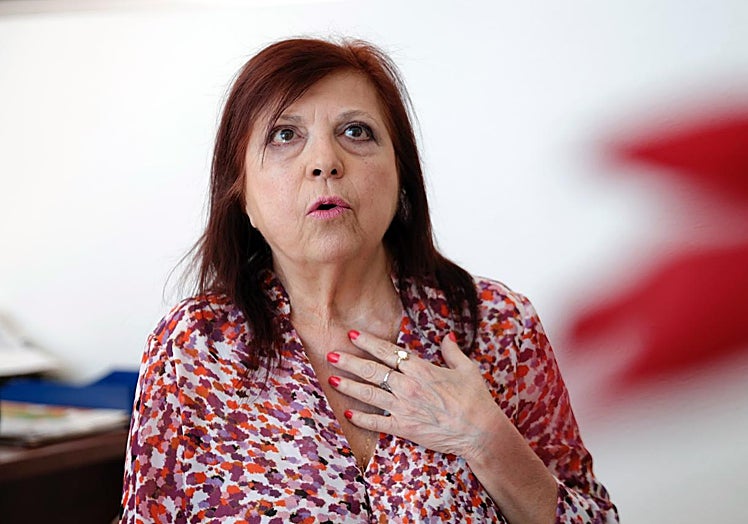
Antonia has accepted the cards dealt to her in life. At the time when her kidney started failing her again, she felt weaker and tired. "Hopefully, this one will last another 22 years," she says.
Antonia calls Dr López her "guardian angel" and encourages other patients on the kidney transplant waiting list to be patient. She assures them that, even if they don't see it, "things are progressing and there are more transplants".
"Don't panic, you can live with one kidney," she says. Antonia often sends her gratitude to her donor, although she doesn't know who they are.
Now at the age of 66, Antonia can confidently say that she has been taking care of the miracles she has been granted. She doesn't smoke or drink and goes for regular walks, because, as Dr López reminds her, "the success of a kidney lasting many years (...) relies on taking care of oneself".
Doctor-patient relationship
Dr López says that it's important for patients with kidney transplants to keep going to their appointments and take their immunosuppression medicines. "With this disease you have to be very disciplined," she says.
As for those waiting for a kidney transplant, she says that it's important that they are on the waiting list "before starting dialysis".
"Don't panic, you can live with one kidney," Antonia García says.
The doctor-patient relationship is fundamental in this and other chronic disease. "There are chronic patients, with most of them we lead parallel lives. There are people that we have known since we started our work in the hospital and we spend our whole lives accompanying them. We know them by name and surname and we even know their family," Dr López says, standing next to Antonia - one of her twin-flame patients.
![[]](http://static.vocstatic.com/voc26/latest/assets/images/favicon/surinenglish/apple-touch-icon-57x57.png)