
Food and drink opinion
Wine bottle capsules
Research reveals that nine out of ten buyers prefer bottles with capsules, associating them with prestige, quality and even better taste.
Andrew J. Linn
Malaga
A new scientific study has confirmed what many in the wine trade long suspected: the humble capsule that seals a wine bottle plays a powerful role in consumer choice. The research reveals that nine out of ten buyers prefer bottles with capsules, associating them with prestige, quality and even better taste.
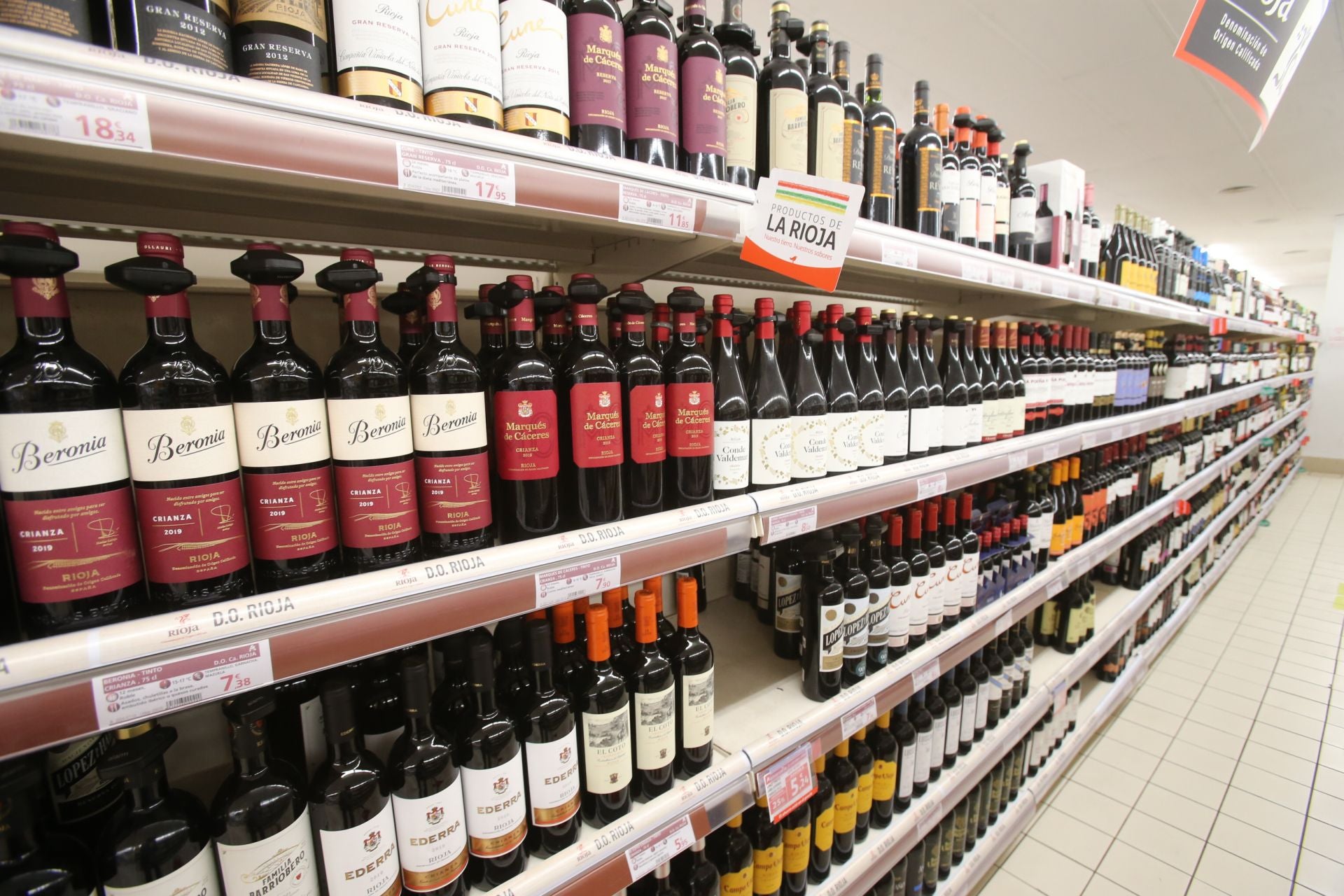
To measure the capsule's impact beyond its protective function, researchers observed 30 regular wine consumers during a simulated shopping experience, using eye-tracking and biometric tools, along with interviews and tastings. The results were striking: bottles with capsules drew more attention, were perceived as more valuable and were expected to command higher prices.
Wine of the week
-
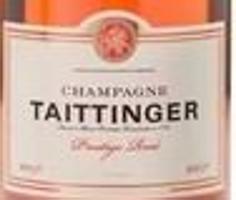
Taittinger Prestige Rosé A rather unusual champagne made with Pinot Noir grown in the mountain area around the region. The grape lends a sweet touch to the other 85% of the supplementary Chardonnay coupage, characterised by small bubbles that persist in the glass. About €40.
Participants described wines sealed with capsules as 'more prestigious', 'safer', and 'better quality.' One said that without a capsule, a bottle looked 'unfinished, even untidy.' The capsule also enhanced the tasting experience, with wines presented this way rated as more enjoyable and lingering on the palate.
Biometric data showed strong emotional responses triggered by the capsule's texture, sheen, and colour. For sparkling wines, it conveys luxury; for still wines, hygiene and security.
Finally, the study found that visual harmony between capsule and label strengthens brand identity and shelf recognition. In short, far from being a mere decorative flourish, the capsule is an essential tool of wine marketing - and of consumer seduction. A factor not included in the research however, was how the existence or non-existence of a capsule affects the contents of the bottle. So the old controversy remains unresolved.
![[]](http://static.vocstatic.com/voc26/latest/assets/images/favicon/surinenglish/apple-touch-icon-57x57.png)