Peasant origins
Once once peasant fare, many dishes have become iconic, reflecting Spain's culinary history
Andrew J. Linn
Friday, 30 June 2023, 11:51
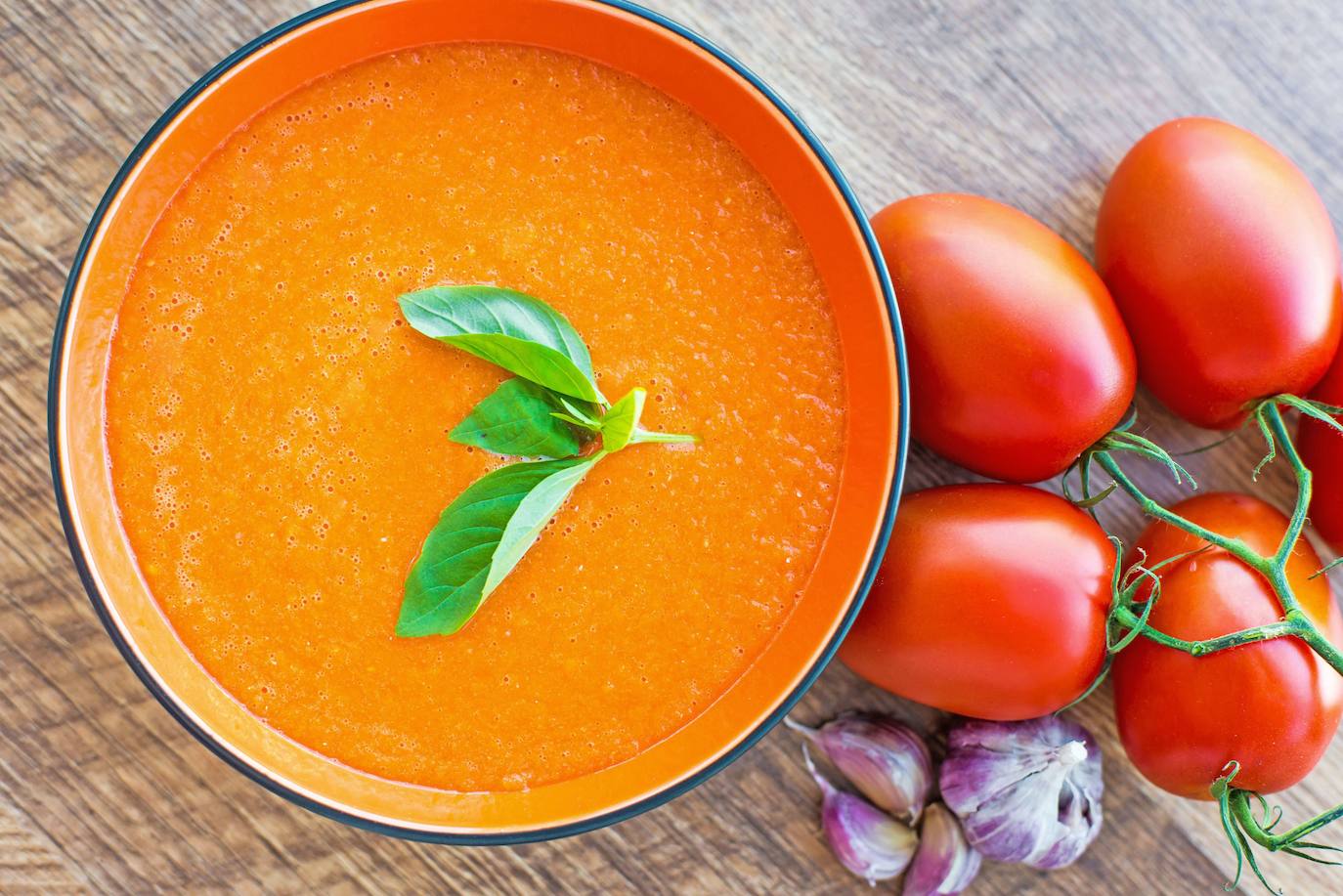
The way food reflects national characteristics is intriguing. Ask anyone, except a Spaniard, what is the national dish and the answer is always paella. Hailing ... from the region of Valencia, it was originally a peasant dish combining rice, saffron, vegetables and any protein available (eg rabbit, snails, chicken). Gazpacho, a cold soup made with tomatoes, cucumbers, peppers, garlic, olive oil, and bread, was a nourishing meal for agricultural workers. Tortilla de patatas, an omelette made with potatoes and onions, commenced as an inexpensive option for rural communities, and is now one of the world's favourite tapas.
Fideos con almejas, common in coastal regions, combines clams and noodles. Fabada asturiana, a hearty bean stew from northern Spain, and cocido madrileño, a slow-cooked meat and chickpea stew from Madrid, all once peasant fare, have become iconic dishes reflecting Spain's culinary history.
Further afield, Italian dishes, such as spaghetti alla carbonara and pasta aglio e olio, were born out of necessity, using simple ingredients like eggs, cheese, garlic, and olive oil. Today, they are enjoyed as classic Italian dishes worldwide. France's coq au vin, a stew made with chicken and red wine, was initially a country way to make an old cockerel tender. It has become a renowned speciality appreciated for its rich flavours. Thailand's Pad Thai, an icon of Thai cuisine, started as a stir-fried noodle dish. Mexican tacos were originally enjoyed by Mexican labourers. Biryani, a rice dish layered with meat or vegetables found in regional cuisines across India, began as a hearty meal for Indian soldiers.
¿Tienes una suscripción? Inicia sesión