
Nature
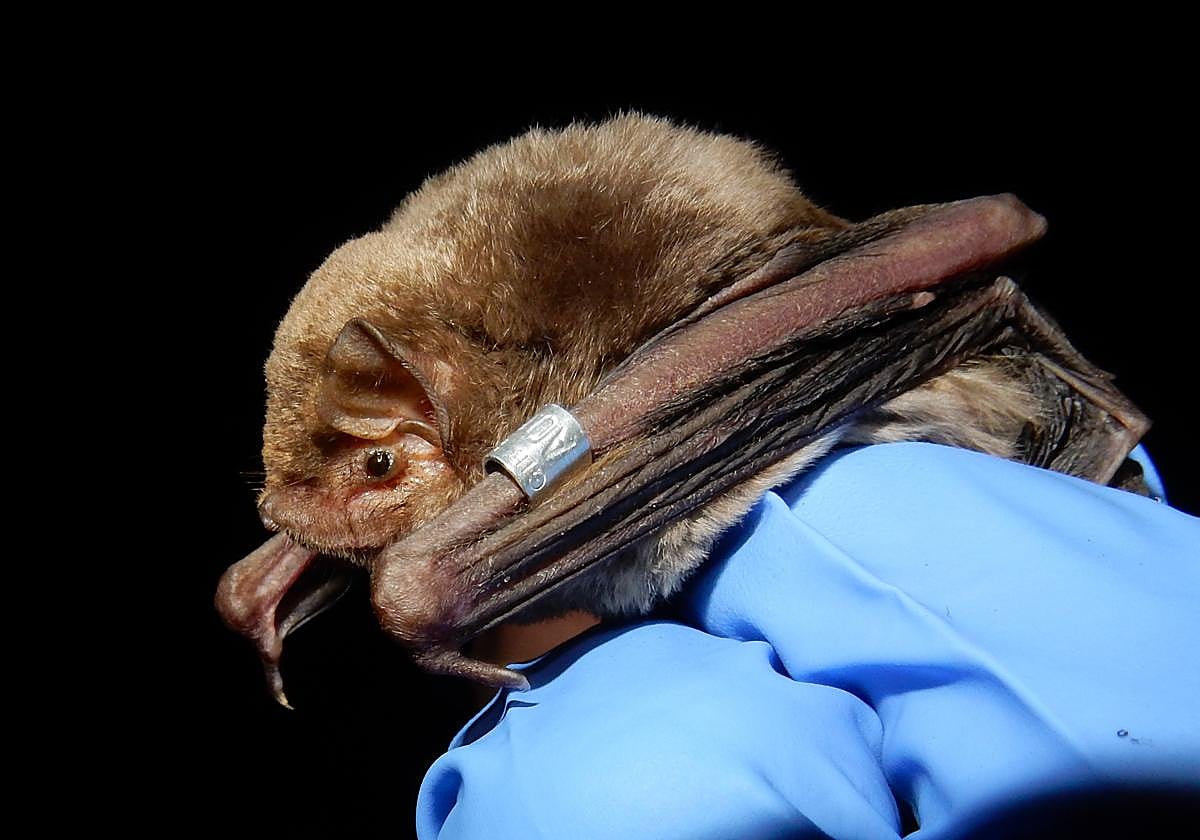
Studies of Schreiber's bat are under way in both Gibraltar and Morocco
The Rock's National Museum is collaborating with the Cadi Ayyad University in order to track the migratory patterns of the species
Anya Soares
Gibraltar
In their twelve year study, named ‘Gib-Bats’, the Gibraltar National Museum worked with the Gibraltar Ornithological and Natural History Society and the Government of Gibraltar’s Department of the Environment, to research the bat populations of Gibraltar. The results have concluded that they are critically endangered, with numbers of all species being incredibly low.
To prevent this from continuing, measures such as ‘bat boxes’, were set up around Gibraltar, giving these animals safe places in which to roost, and special attention was given to legislation pertaining to construction.
However, the only exception is the Schreiber's bat (Miniopterus schreibersii), in which the team discovered that the species migrates to Gibraltar seasonally. As a result, scientists involved in the Gib-Bats project began to investigate further. The Department of the Environment granted them a ringing licence, so that they could mark the animals and study them, and a similar one was obtained from the Spanish government and and the Junta de Andalucía.
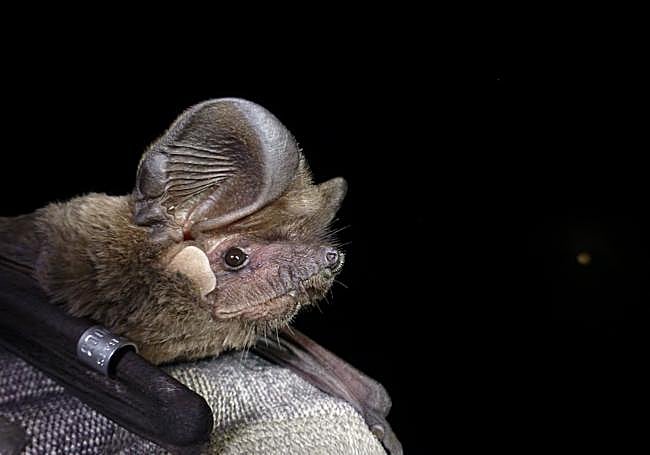
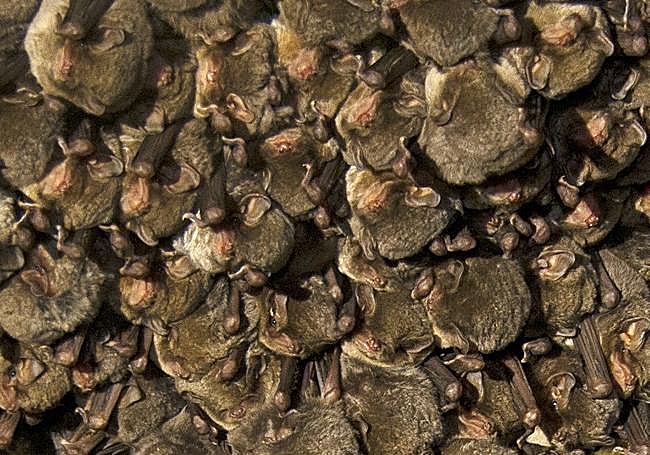
Key findings suggest that the Schreiber’s bat’s migratory patterns possibly start in Morocco, and then they cross the Strait of Gibraltar. Dr Stewart Finlayson, the principal scientist of the project, contacted colleagues in Morocco seeking to carry out similar work.
This has led to a formal agreement signed between the Gibraltar National Museum and the Cadi Ayyad University, Marrakech in Morocco, to carry out an extended investigaton into the species and its migratory patterns.
Minister for Environment John Cortes, who is also responsible for developing relations with Morocco, said, “As an ecologist, and having worked in the field in Morocco, I am extremely pleased and excited by this development. Not only will this collaboration increase further our links with our southern neighbour, it will also contribute to our knowledge of the biodiversity of the region and help in the conservation of these vulnerable species”.
![[]](http://static.vocstatic.com/voc26/latest/assets/images/favicon/surinenglish/apple-touch-icon-57x57.png)