
Economy
Junta allocates record amount to health care in next year's regional budget for Andalucía
Of the nearly 51 billion euros of the total budget, at least 16 billion euros will go to improve the public health service in the region
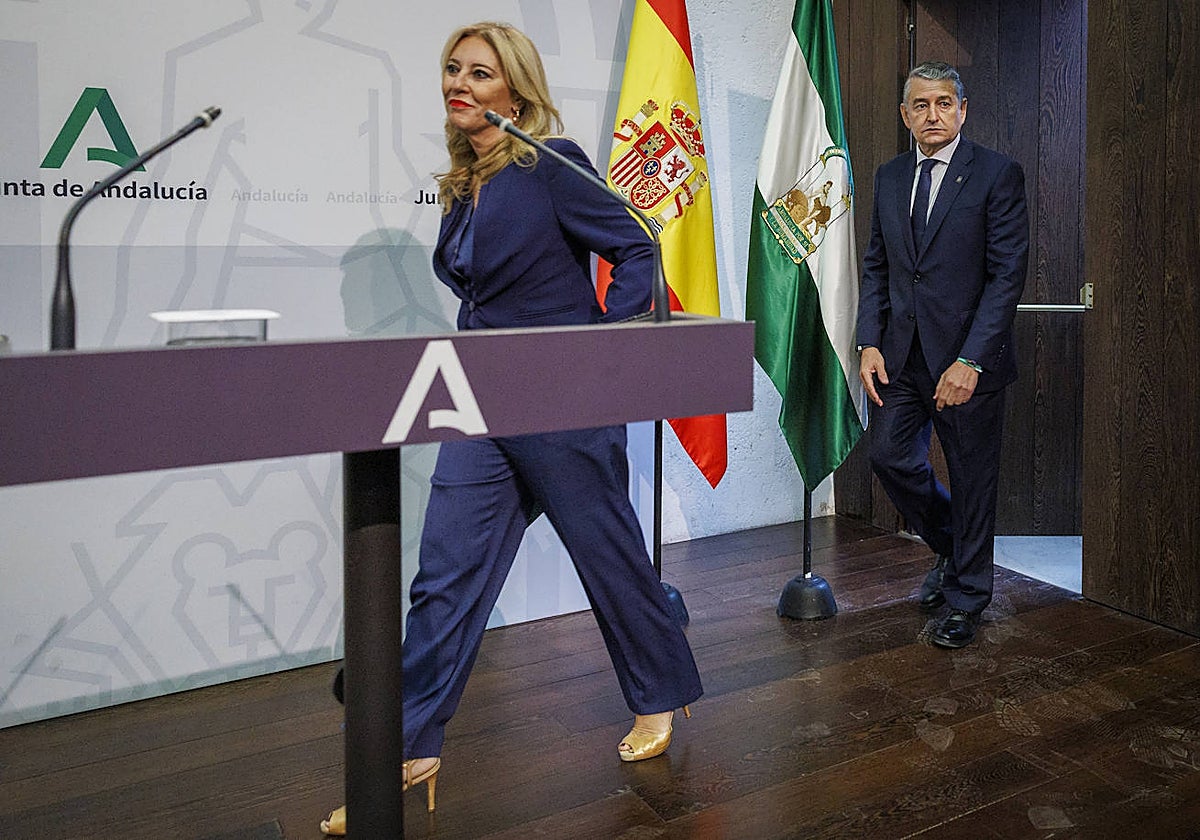

Seville
The turnaround that the regional government of Andalucía appears determined to make in its public healthcare system will be reflected in next year's budget, currently being drafted, in which more than a third of the total amount will be allocated to healthcare spending.
While the total budget has yet to be confirmed, it is known to be around 51 billion euros. More than a third of this amount will be allocated to the healthcare budget, with a figure that will not fall below 16 billion euros, according to the president of the Junta Juanma Moreno in his announcement this week.
This figure represents an increase of at least 6.5% over last year's budget, 32% more than the first budget allocation of the current legislature and 62% more than the last budget approved before Moreno took office as Junta president.
The regional ministry of finance has already published the draft budget bill for 2026, which, in addition to healthcare, outlines several basic pillars on which the budget aims to have special impact: access to housing, digitalisation, innovation and sustainability "as a transformative axis for the region and the maintenance of collective well-being", according to the document.
Of the nearly 51 billion euros of the total budget, at least 16 billion euros will go to public healthcare
The draft notes that, in the European Union, GDP (gross domestic product) is expected to rebound by 1.1% in 2026, supported by infrastructure and defence spending, while inflation is expected to converge towards rates close to 2%. In Spain, a stable economic scenario is forecast with contained energy and financial costs, with GDP growth slowing by four tenths of a percentage point in 2026, although job creation is estimated to continue.
Even though the document does not yet specify the complete basis for the growth forecast, it does set out some optimistic prospects. It notes that regional GDP grew by 3% in the second quarter of 2025, above the national average, with a notable contribution from industry and construction.
It also notes that the labour market is registering record highs in employment, with more than 3.5 million people employed and the unemployment rate at its lowest level since 2007. Furthermore, it highlights the non-energy trade surplus and the consolidation of Andalucía as the third largest exporting region.
On this basis, the forecasts for 2026 are favourable: Andalucía is expected to maintain solid growth, supported by investment, the strength of services and the revitalisation of high-value-added business activities, which will further narrow the income and employment gap with respect to the Spanish and European averages.
However, it is noted that the accounts are once more being prepared with an underfunding of 1.528 billion euros and a deficit of almost 20 billion euros accumulated over the period 2009-2023. Also that the regional budget is paralysed by the Spanish government's national budget, which affects advance payments, the salary path for civil servants and funded spending programmes.
Lastly, the draft budget also includes the previously announced tax measures aimed at deductions for sports activities, veterinary expenses, access to housing and families with members suffering from coeliac disease.
![[]](http://static.vocstatic.com/voc26/latest/assets/images/favicon/surinenglish/apple-touch-icon-57x57.png)