
Motoring
What is 'ICEing' and why can it result in a 200-euro fine in Spain?
The Spanish Directorate-General of Traffic (DGT) considers this practice a serious motoring offence
N. S.
Madrid
Electric vehicles are no longer a passing trend. In the first half of 2025 alone, more than 115,000 electric vehicles were registered in Spain, almost 80% more than in the same period last year. Electric transport is going strong despite the challenges it faces, among them the practice of 'ICEing'.
The term comes from the acronym ICE for internal combustion engine. It describes the practice of parking a petrol or diesel car in a space reserved for electric charging, blocking access for those who really need to plug in their vehicle.
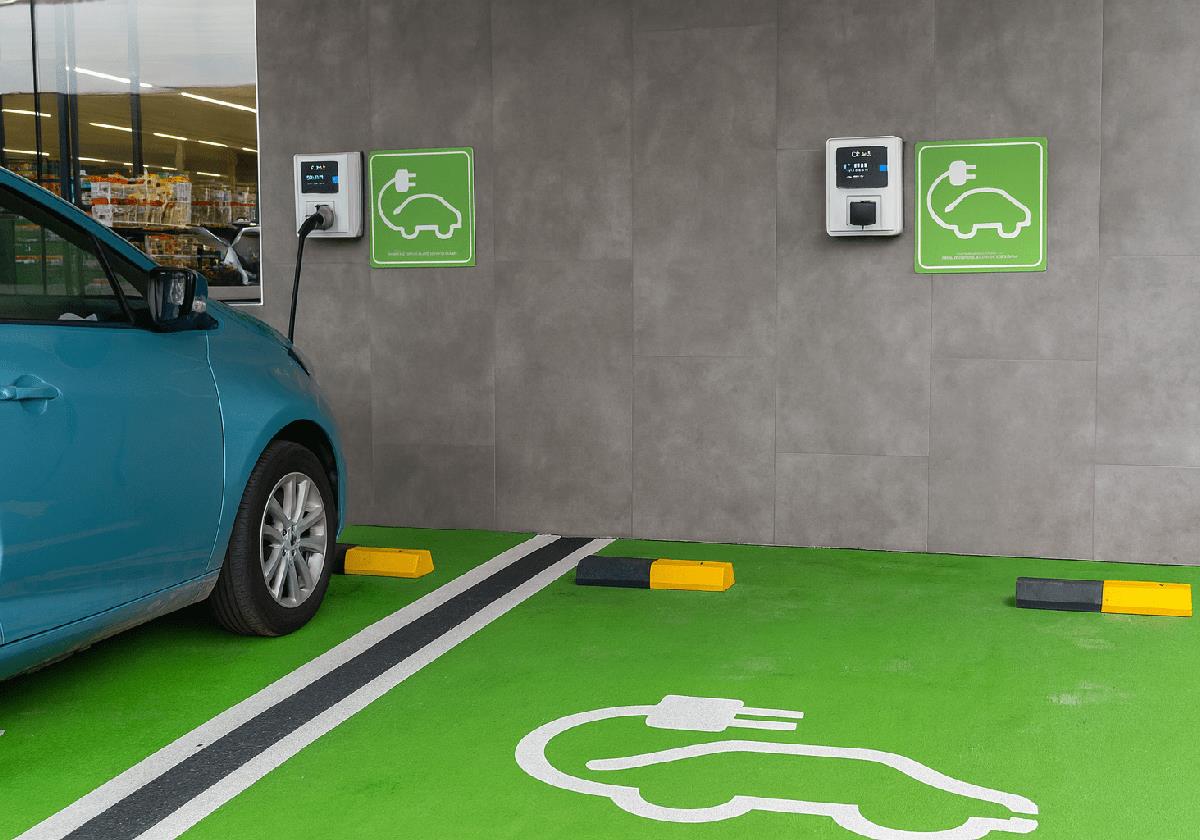
The spaces reserved for electric vehicles are clearly marked with green paint and the sign R-308, which shows a pictogram of a plug. However, it is not uncommon to see them occupied by combustion engine vehicles in shopping centres, at petrol stations or even on the street, which complicates the daily lives of many drivers who need the spot to charge their car.
The public charging network is still growing more slowly than demand. This means that every free spot is crucial. When an electric vehicle driver finds a spot blocked, this generates inconvenience not only for them. ICEing slows down the general transition to more sustainable transport that is gaining ground in Spain.
For this reason, the traffic authorities (DGT) consider ICEing a serious offence. Those who engage in it face fines from 100 to 200 euros.
Parking in an electric vehicle spot is not an innocent practice: it shows lack of respect for those who depend on recharging, just as people with reduced mobility rely on the parking spots reserved for them. With a growing network, the proper use of such infrastructure is key to consolidating a sustainable and accessible transport model.
What happens if you get a fine?
The regulations exist and the penalties are clear, but there are some cases that might cause confusion: poorly visible signage, administrative errors or even mishandled fines. In such cases, one can always ask to review the case file and, if appropriate, file an appeal.
Advice from experts is always helpful in resolving doubts and avoiding faulty penalties. Pyramid Consulting suggests reviewing each case in detail. A well-founded appeal can save the driver from unfair fines and ensure that the regulations are applied correctly.
![[]](http://static.vocstatic.com/voc26/latest/assets/images/favicon/surinenglish/apple-touch-icon-57x57.png)