
Health
Summer in Spain starts with 73% more heat-related deaths than in record year
The heatwave caused the death of 269 people in just five days, 27 times more than at the same time last year, according to calculations by the Carlos III health institute

Madrid
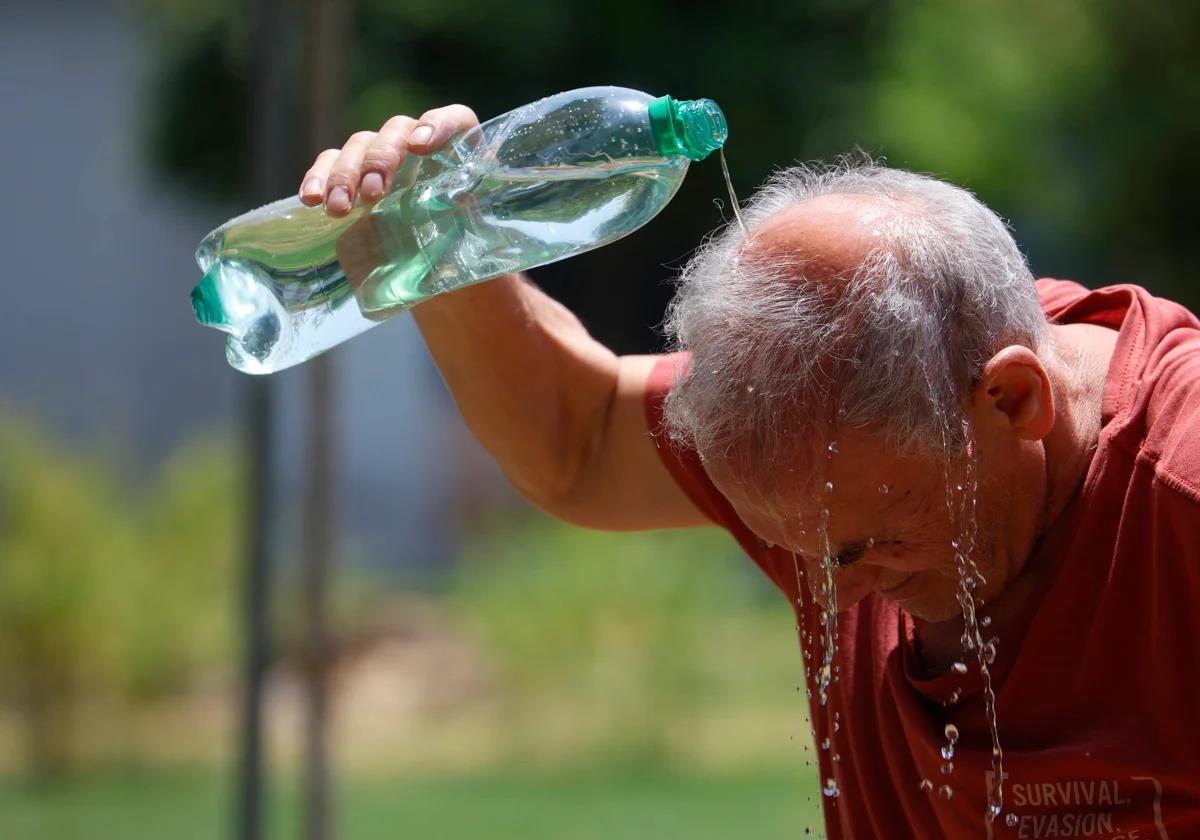
The summer of 2025 in Spain threatens to become one of the hottest and most dangerous seasons in recent years, not even two weeks since its astronomical start. Not only has it burst on the scene with record-breaking temperatures in June, as confirmed by the state meteorological agency (Aemet), but also with an escalation of deaths linked to excess heat, as verified by MoMo estimates - the daily mortality monitoring system managed by the Carlos III health institute.
In the first 12 official days of summer, from 21 June to 2 July, 453 people died in Spain as a result of high temperatures. This is three times the number who died at the same time two summers ago and 30 times more than the number of heat-related deaths recorded by the MoMo system for the same period last year, when only 15 people died. The comparison with the start of summer 2024 is almost dizzying, but there is a clear explanation: June 2024 was an atypically humid and cool month, with two and a half times more rainfall and half a degree below normal, which minimised deaths.
The really worrying figure is that heat-related deaths at the start of summer 2025 are 73% more than those recorded between 21 June and 2 July 2022, which was the summer with the most deaths from high temperatures in Spain for 22 years, with almost 4,800 deaths over the entire summer season. Over the same 12 days three years ago, 261 people died, 192 fewer than so far this summer.
97% of the deaths concern people over 65 years of age, with two out of three affecting over 85-year-olds
The tragic figures for 2025 can be explained by the health effects of a scorching June across the country - the hottest on record. Last month alone, 407 Spaniards died from excessive temperatures. The average temperature this past June was 23.6C or 3.5C higher than the usual daily average for the month.
In just five days, between Saturday, 28 June, and Wednesday, 2 July, technicians estimated that 269 people have died in Spain - an average of almost 54 every day. That is 27 times more than the ten deaths recorded this time last year. This is the result of a few days in which a large part of the country was close to 40C and areas such as Cordoba, Seville, Badajoz and Jaen reached 43C. The town of El Grado in Huelva set a record with 46C. Saturday started with 24 deaths, which, by Wednesday, had reached 70.
Risk groups
One distinctive group is at the highest health risk during heatwaves: the elderly. MoMo's estimates indicate that 97% of the people who have died since 21 June were over 65 years of age. Two out of every three were over 85 years of age. There is a higher proportion of women (60%), which is consistent with their longer life expectancy. The areas with a particularly high number of deaths are Catalonia, Galicia, Madrid and the Basque Country.
The special plan for protection against high temperatures also includes other vulnerable groups: children under 4 years of age; pregnant women; people with cardiovascular, respiratory or chronic diseases; people undergoing medical treatment; people with mental and memory disorders, difficulties with understanding or orientation or little autonomy in daily life.
In addition, Spain's Ministry of Health warns that people who live alone, the homeless, tourists, those suffering from poverty or many deprivations (with poorly acclimatised housing) and those excessively exposed to heat for work or sport (especially between 2 and 7pm) are also at higher risk.
![[]](http://static.vocstatic.com/voc26/latest/assets/images/favicon/surinenglish/apple-touch-icon-57x57.png)