
Motoring
Spain ramps up installation of electric vehicle chargers although a shocking number don't work
The public charging network continues to be dominated by 22kW points, deemed "insufficient" for the sector and the deployment of EVs

Madrid
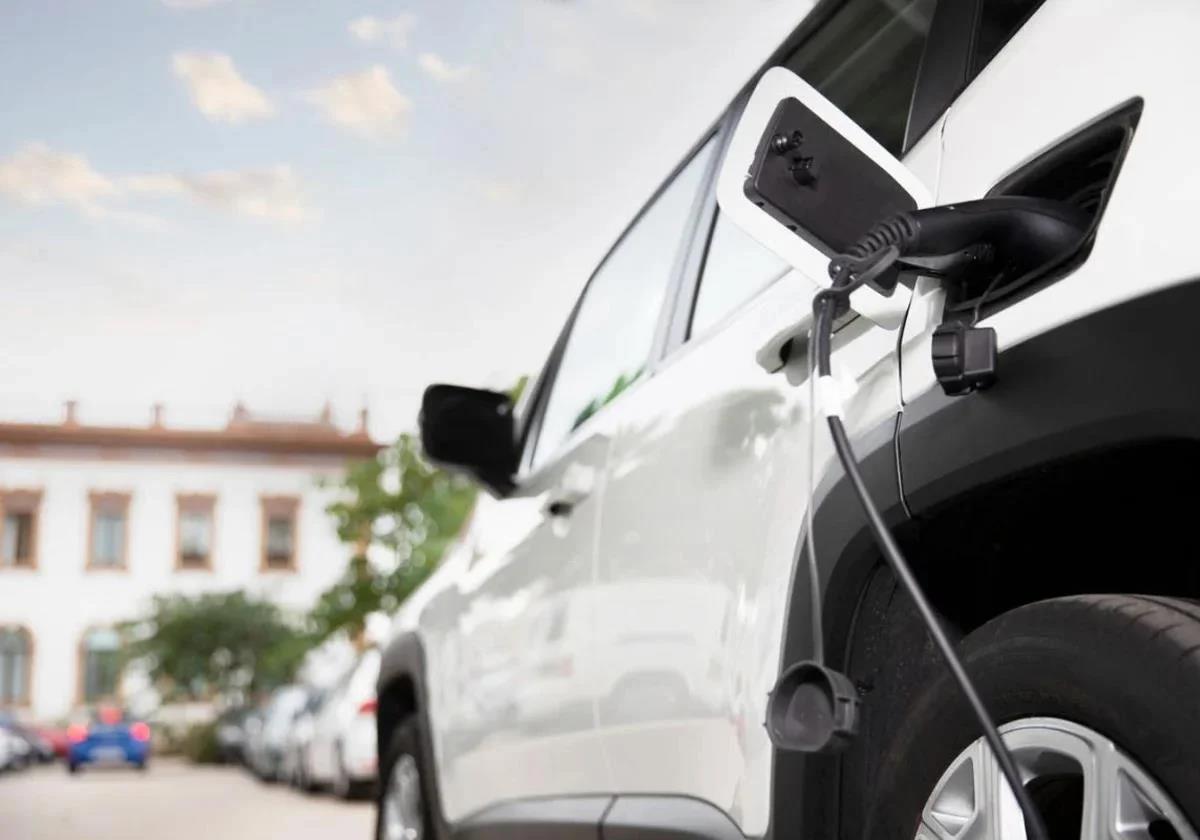
Spain continues to make strides in the electrification of motorised transport at a time when many car manufacturers are withdrawing from their business strategies to push electric. Electrified cars (pure electric and plug-in hybrids) are beginning to make their presence felt on the streets of Spain and the charging network already supplies numerous charging points on urban and inter-city roads and motorways. So far this year, the installed public charging network has already exceeded the total rolled out in 2024.
The statistics, as of 30 September, show a total of 52,107 public charging points, with 13,382 of those having been installed in the last nine months, 34.5% more than at the end of last year, when 9,424 charging points were added. "These are very positive figures. Great efforts are being made that are gradually yielding results, but the processes are very long and complex", says José López-Tafall, director-general of Anfac (the vehicle manufacturers' association in Spain).
However, despite the fact that over half the number of chargers installed throughout last year have been installed within three months in 2025 (the second highest figure since such data began being compiled), the infrastructure deployed is still a long way off the target set by the Spanish government in PNIEC (the state-wide strategic plan on energy and climate to 2030). Looking at the current data, Spain has only covered 5% of the target it must achieve in just five years and the country continues to suffer from unresolved problems, such as charging capacity and, above all, availability. The outcome is that two out of every ten charging points installed are out of service .
Specifically, Spain's public charging network has 14,643 non-operational charging points. "If all of them were available, we would exceed the targets set by those in charge", states the automotive sector.
Slow-charging points
The expansion of charging points is mainly based on those of 22 kW or less. Currently, 70% of public chargers are classified as slow-charging. "This is one of the stats that must be reversed, as fast charging is essential for the electric car to be considered as the first-choice car", states Anfac in its latest 'barometer' report on the state of the EV market in Spain.
In the last quarter, Spain has added 2,792 of this type of charging point, while fast-charging points - those of 150 kW or more - are limited to 740, of which 277 are ultra-fast. Moreover, only 17% are located in interurban areas. "Having a good fast-charging network is essential to reducing medium and long-distance journey times", say those from the industry.
"The electromobility race waits for no one," says López-Tafall. In Spain, registrations of electric and plug-in hybrid cars in September doubled compared to the same month last year (including passenger cars and light commercial vehicles): 22,068 vehicles in total, compared to 10,872 in 2024. In the first nine months of this year, the Spanish market reached 171,698 registrations, 99.15% more than in the same period last year. "We have run out of Moves funds [the EV purchase aid scheme] in nine regions," says López-Tafall.
While national data shows a positive trend, the EU data shows that Spain is still not picking up enough speed. The percentages are still not close to the targets set by the European Commission for the coming years. "We cannot lead the tail-end pack in Europe. That's not good enough", says López-Tafall.
This slow progress coincides with the new plans of the European automotive industry, which is reviewing its electrification strategies. Electric vehicle numbers are growing, but not at the expected pace, and major manufacturers are extending the life of their combustion engine models. The sector is pressuring Europe to remove the obligation to sell only electric vehicles by 2035, while proposals for workforce cuts in the industry are piling up on the negotiating table with union representatives.
![[]](http://static.vocstatic.com/voc26/latest/assets/images/favicon/surinenglish/apple-touch-icon-57x57.png)