
Energy
Spanish electricity providers look to Italy to implement structural reform and avoid another blackout
Spanish association of electricity companies Aelec has asked Red Eléctrica for access to key system data so that they can better contribute to voltage control
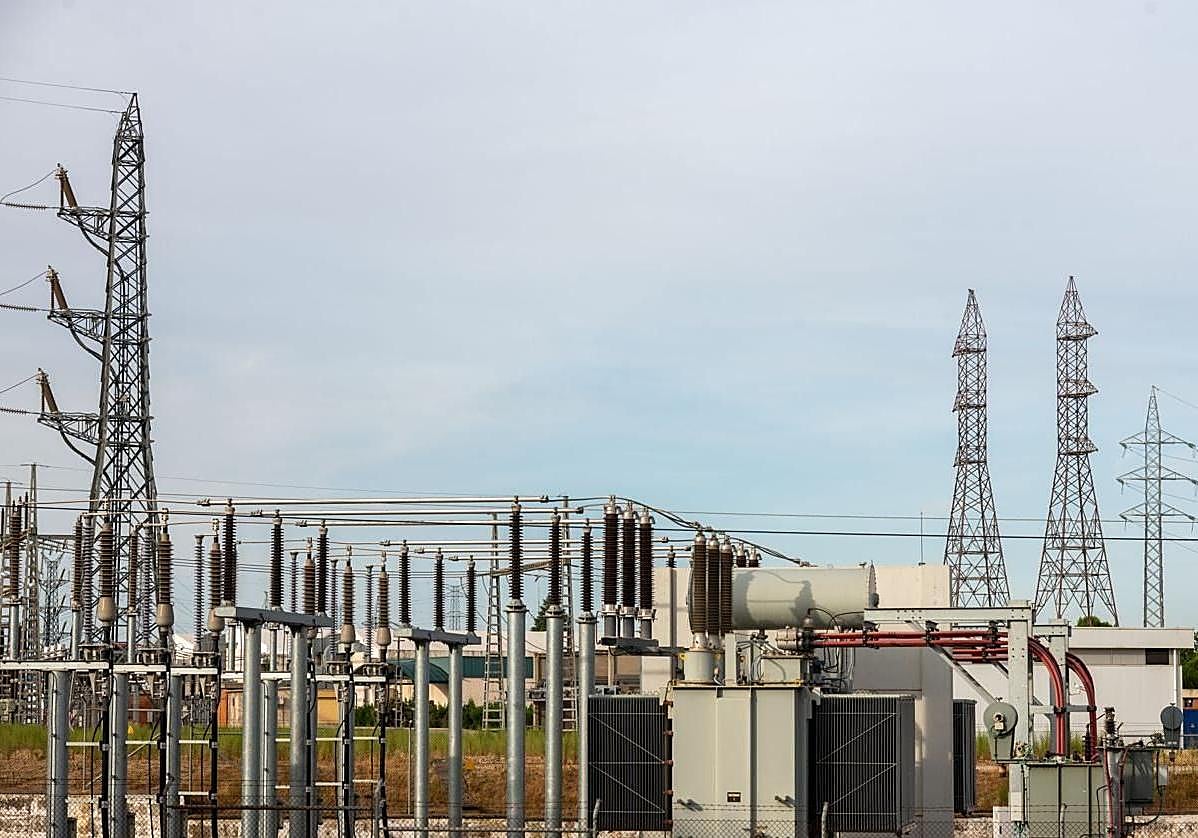

The voltage control of Spain's electricity system has become the battleground between major electricity companies and national operator Red Eléctrica in the six months since the nationwide blackout in April. According to the electricity companies, the system is "obsolete" and voltage problems have become a structural phenomenon in recent months. For them, the diagnosis is clear: the massive incorporation of renewable energies has not been accompanied by sufficient investment and appropriate regulatory changes for their integration.
As director of regulation of the association of electricity companies in Spain (Aelec) Marta Castro explained on Monday, the companies have looked to Italy for a solution. Italy has a lower penetration of renewables, but "double the Statcom capacity and 16 synchronous compensators in operation" and it "keeps expanding its network". These compensators help improve system damping against inter-area oscillations and their implementation would enhance voltage control in certain parts of the country.
Major companies such as Iberdrola, Endesa and EDP are members of Aelec, according to which the companies are not in breach of the regulations, as national electricity grid operator Red Eléctrica has repeatedly claimed. Aelec urged Red Eléctrica president Beatriz Corredor to give them access to key system data so that they can better contribute to voltage control. The companies have stated that the abrupt voltages detected by Red Eléctrica on 25, 26 and 28 September did not pose a risk like the incident on 28 April. However, they did call for greater agility in the regulatory and technical implementation in Spain.
"Voltage problems require urgent measures," Castro said. According to the companies within Aelec, the model implemented by Red Eléctrica is not a long-term solution, but rather limits the energy transition and generates a cost burden on the system. Aelec proposes that dynamic voltage control be allowed to be implemented now in all plants that can already do so with real-time setpoint monitoring and not wait to complete the changes established in June, which would be delayed "until well into 2026".
Aelec also calls for compliance with the electricity grid planning regarding elements intended for this purpose and for the modification of the current voltage limits in Spain to exceed European values. Currently, the allowed voltage in Spain is 435 kilovolts (kV), compared with 420 kV established in other European countries, which would provide more margin to respond to overvoltage events. "In Spain, we have a margin of 5 kV, a range so small that it is almost equivalent to the measurement error," Castro said.
Last week, the national markets and competition commission (CNMC) decided not to approve the modifications proposed by Red Eléctrica related to the voltage control service, as it considered that the proposed changes required a more in-depth technical analysis and could involve risks both for the integrity of the facilities and for the stability of the electricity system. Aelec considers the CNMC's decision to be positive since, according to the electricity companies, these were regulations "without technical feasibility" and "without economic sense".
According to Aelec, many renewable generation plants are currently capable of controlling voltage through so-called reactive power setpoints, but they are prevented from doing so due to regulatory limitations. "It would be enough to update the software that many facilities already have," Castro said. However, this measure was rejected during the last process of allegations to modify the Procedimiento de Operación 7.4. For the electricity companies, the reason for discarding this proposal lies in the fact that the solution supported by REE involves giving renewables voltage setpoints. Unlike reactive power setpoints, this would require technologically upgrading the existing plants to enable them to carry out voltage control.
![[]](http://static.vocstatic.com/voc26/latest/assets/images/favicon/surinenglish/apple-touch-icon-57x57.png)