
Employment
Households in Spain face fines of up to 50,000 euros if they fail to assess risks for domestic staff
From this Friday, the law makes it compulsory for employers to have a workplace accident prevention plan available for inspection and signed by the worker

Madrid
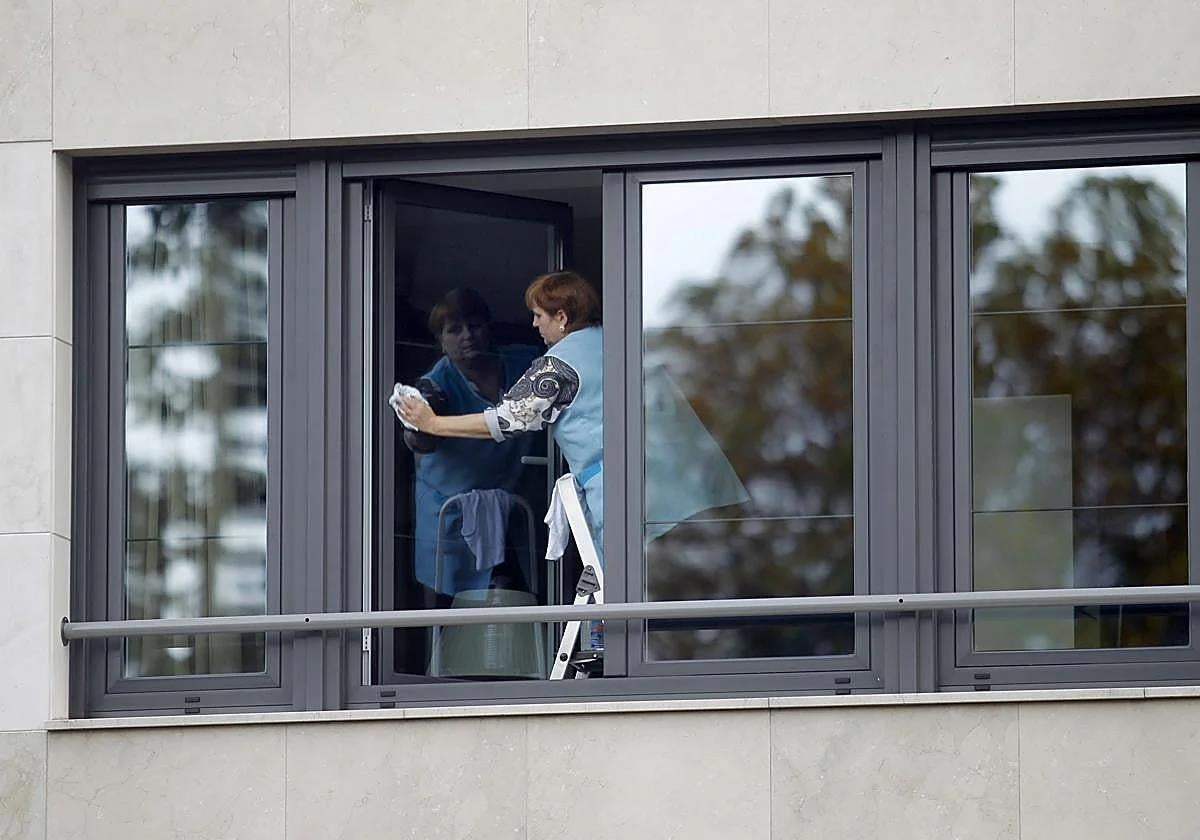
The Ministry of Labour in Spain has introduced a new regulation, obliging the 350,000 households in the country that use the services of a housekeeper to have a risk assessment and prevention plan ready for inspection and signed by the worker. As of Friday, 14 November, they could be fined up to almost 50,000 euros if they fail to present such a protocol.
This is a new requirement derived from the royal decree approved just over a year ago, which regulates health and safety protection in the field of domestic services. It seeks to improve working conditions for a group, mostly made up of women, that works in often precarious conditions.
In May of this year, the national institute for safety and health at work launched a platform to make it easier for employers to carry out this assessment. The Ministry of Labour gave them six months and the grace period ends on 14 November. Besides filling the form, the households have been obliged to implement the necessary preventive measures to eliminate or reduce risks.
The free web platform is www.prevencion10.es although it has been overwhelmed by people accessing the site. To complete the process, a member of the household first has to enter their details and those of the housekeeper. After that, they are given a questionnaire that assesses the features of the home (whether it has stairs, pets, type of electrical installation, etc.) and the tasks performed by the worker (whether they are cleaning, ironing, cooking, caring for children or elderly or dependent people, etc.). The tool itself suggests improvement measures and possible solutions, if it detects any type of risk, which households will have to implement.
The figure
86,650
female domestic workers have left in the last decade following the rise in contributions and minimum wages
After this assessment, a document called 'Plan de prevención de riesgos laborales' is downloaded. It must be signed by both the employer and the employee. That document must be available in case the labour inspectorate requires it. The portal also includes resources and materials that provide information on occupational risk prevention. In addition, if households have any doubts or difficulties, there is a free telephone helpline (913 63 43 00), available from Monday to Friday, from 9am to 2pm.
As of Friday, failure to comply with this new obligation can lead to penalties ranging from 2,451 euros to 9,830 euros. Aggravating circumstances can increase the fine to between 24,000 and 49,000 euros.
Other measures planned in the law
As unions point out, there are important aspects of this law yet to be developed, such as the right of female workers to have a free medical check-up at least once every three years and the implementation of the protocol for action against violence and harassment.
Although the Ministry of Labour says that this measure does not generate economic or bureaucratic burdens for employers, there is no doubt that it is yet another obligation that households - or in many cases pensioners - have to assume.
In addition, the measure might lead to a further decrease in work for housekeepers. Since 2015, the number of registered domestic workers has plummeted by more than 20%, to below 350,000. Successive tax rises and a 60% increase in the minimum wage in just six years has pushed up the cost of having a domestic worker.
![[]](http://static.vocstatic.com/voc26/latest/assets/images/favicon/surinenglish/apple-touch-icon-57x57.png)