
#8M: The gender gap in Spain grew by nearly one per cent because of the pandemic
Due to this increase, full social equality between men and women will be delayed by three years, to 2058
SUR IN ENGLISH
MADRID.
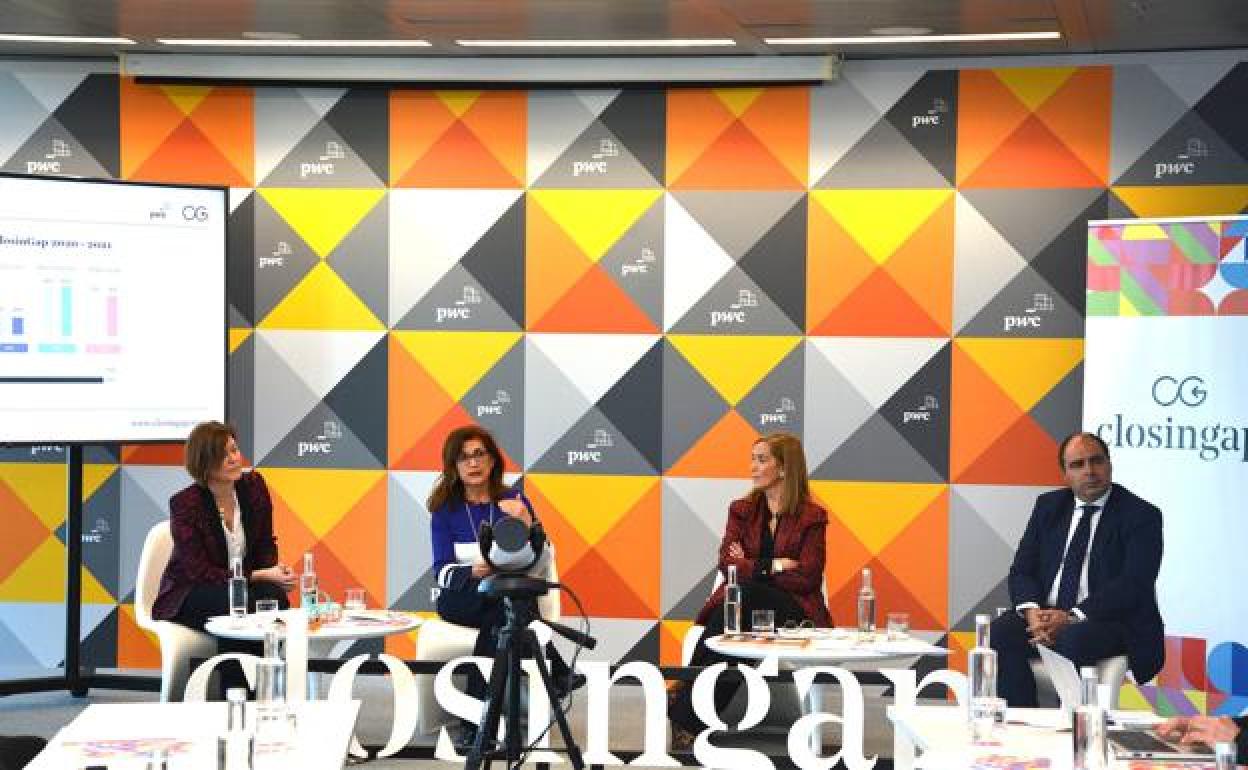
The gender gap grew by nearly one point in Spain in 2021 as a result of the pandemic, from 35.9% to 36.7%, according to the most recent edition of the ClosinGap index. Among other aspects, this increase will mean that expected full social equality between men and women will be delayed by three years, to 2058.
The report from PwC also says this lack of parity has a negative cost to the Spanish economy of 213 billion euros, and Marieta Jiménez, the president of ClosinGap, says the new data shows that urgent measures are needed to make the most of female talent as a key to growth and recovery.
The index looks at several major categories: Employment, Education, Conciliation, Digitalisation and Health and Wellbeing. The pandemic has had a special impact on Conciliation, with a notable increase in part-time work for women.
Women bore the burden of more domestic tasks in the lockdown, resulting in parity in conciliation being 40.8% with a gap of 59.2%. Conciliation of work and home life is a determinant in professional and financial progress and it has slowed down for years, which has an effect on women's health and wellbeing, says Anna Merino of PwC.
Risk of poverty
The report shows that the pandemic increased the risk of poverty or exclusion slightly more for women than for men, and in terms of education, it reflects the fact that more women have a university education than men but still have unequal access to careers in science, technology, engineering and mathematics.
There has been some improvement in parity in Digitalisation - a slight increase to 71.4% - thanks to more women specialising than men. However, the ratio is still very low, bearing in mind that for every woman in this field there are four men. The gender gap in digitalisation is 28.6%.
In contrast, the parity indicator in Employment has increased by 1.1 points in a year, from 65% to 66.1% and reducing the gap to nearly 36.9%.
Experts say this improvement is due to the increase in women's participation in the labour market, less precarious employment, an improvement in hourly wages and a fall in pension gap affecting women as a whole.
![[]](http://static.vocstatic.com/voc26/latest/assets/images/favicon/surinenglish/apple-touch-icon-57x57.png)