
Health
Flu vaccination protects cardiovascular health as much as quitting smoking does, according to experts
Vaccinologists claim that immunisation not only prevents thousands of deaths from respiratory infection but can also protect against other very serious illnesses

Madrid
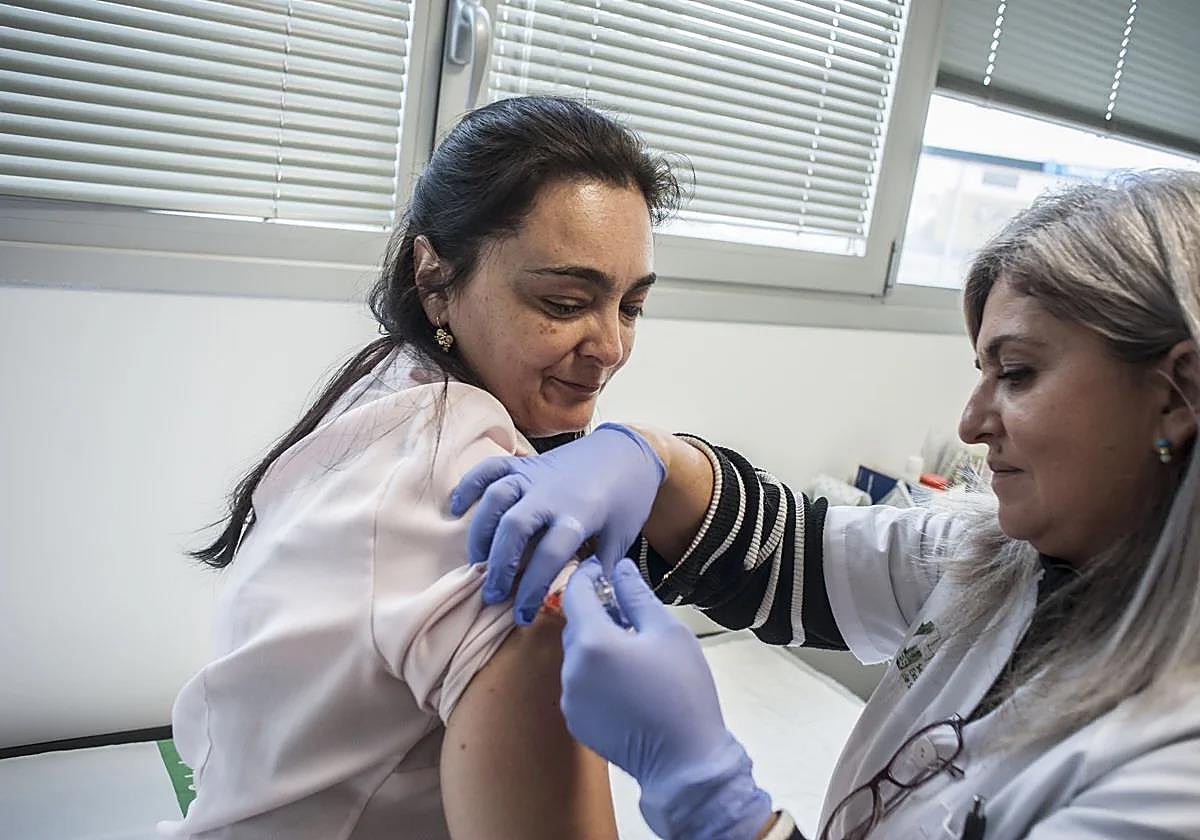
Being vaccinated against the flu and Covid this autumn not only minimises the chance of being one of the thousands of people in Spain who will be admitted to hospital or die as a result of a respiratory infection, but it also brings many other health benefits, according to experts.
As the Spanish vaccinology association highlights in the public awareness campaign it has just launched, vaccines against respiratory infections also protect the body in a generic way and reduce the risk of suffering other very serious pathologies, fundamentally heart and circulatory system ailments and accidents. Scientists have found that getting vaccinated against the flu protects as much against cardiovascular diseases in adults as quitting smoking does.
The campaign is being shared on all kinds of media, under the slogan 'The best plan for this winter is to get vaccinated'. It seeks to inform those who are undecided of the benefits of the vaccine and the scientific data that backs it. It warns them of the error they will make if they don't have the vaccinations.
Experts say that just over a third of healthcare workers are vaccinated and urge those most at risk to get jabs
The message is aimed primarily at the members of society most at risk: the elderly, children, the chronically ill and immunocompromised, pregnant women and healthcare workers. The over-60s and at-risk patients are advised to get their flu vaccine now and check whether they are up to date with their pneumococcal vaccination (the main cause of fatal pneumonia in the elderly). The over-70s are also advised to get a Covid jab and parents are advised to immunise all children between the ages of 6 months and 5 years against the flu.
Experts say that, sadly, only four out of ten healthcare workers (39%) are currently vaccinated against the flu - just over half of those who were after the pandemic outbreak. In fact, the rate must reach 75% for healthcare professionals to be considered protected and safe for contact with patients.
Paediatricians, pulmonologists and GPs stand firmly behind the campaign. Getting vaccinated against the flu makes it more difficult for people to become infected. Each year, the winter epidemic in Spain causes almost 30,000 hospitalisations, some 2,200 admissions to an intensive care unit and at least 1,600 deaths.
It is not a trivial infection
The campaign also focuses on parents of young children, who often trivialise the flu. This is evidenced by statistics that show that not even half of children under the age of five are vaccinated. To convince parents of the importance of the vaccine, the campaign offers data: when vaccination of children was not included in the Spanish health calendar until 2023, more than 4,000 children were hospitalised every year and hundreds died. In addition, 80% of children under the age of 5 who end up hospitalised suffer exclusively from the flu, not from complications related to other illnesses.
This year, vaccinologists add that getting vaccinated against the flu reduces the risk of suffering cardiovascular accidents by 35% in the 12 months following the jab; reduces the risk of cerebral thrombosis (ischaemic stroke) by between 12% and 16%; and reduces the possibility of death for any reason by 18% in patients with hypertension.
Pneumococcal and flu infection increases cardiovascular accidents by 30% and Covid infection greatly increases the risk of heart failure or thrombus formation in the short term. Vaccination against the coronavirus reduces the risk of death in patients with heart failure by 82%.
Cardiovascular benefits are the most obvious, but studies have also shown that immunisation against the flu and pneumococcus reduces the risk of developing Alzheimer's and other dementias.
![[]](http://static.vocstatic.com/voc26/latest/assets/images/favicon/surinenglish/apple-touch-icon-57x57.png)