
Traffic
Drivers in Spain face fines for not using the correct V16 emergency warning lights
Some 65% of motorists are unaware of some of the details regarding the new regulations as the roadside triangles are phased out
J. Bacorelle
El Barco de Ávila
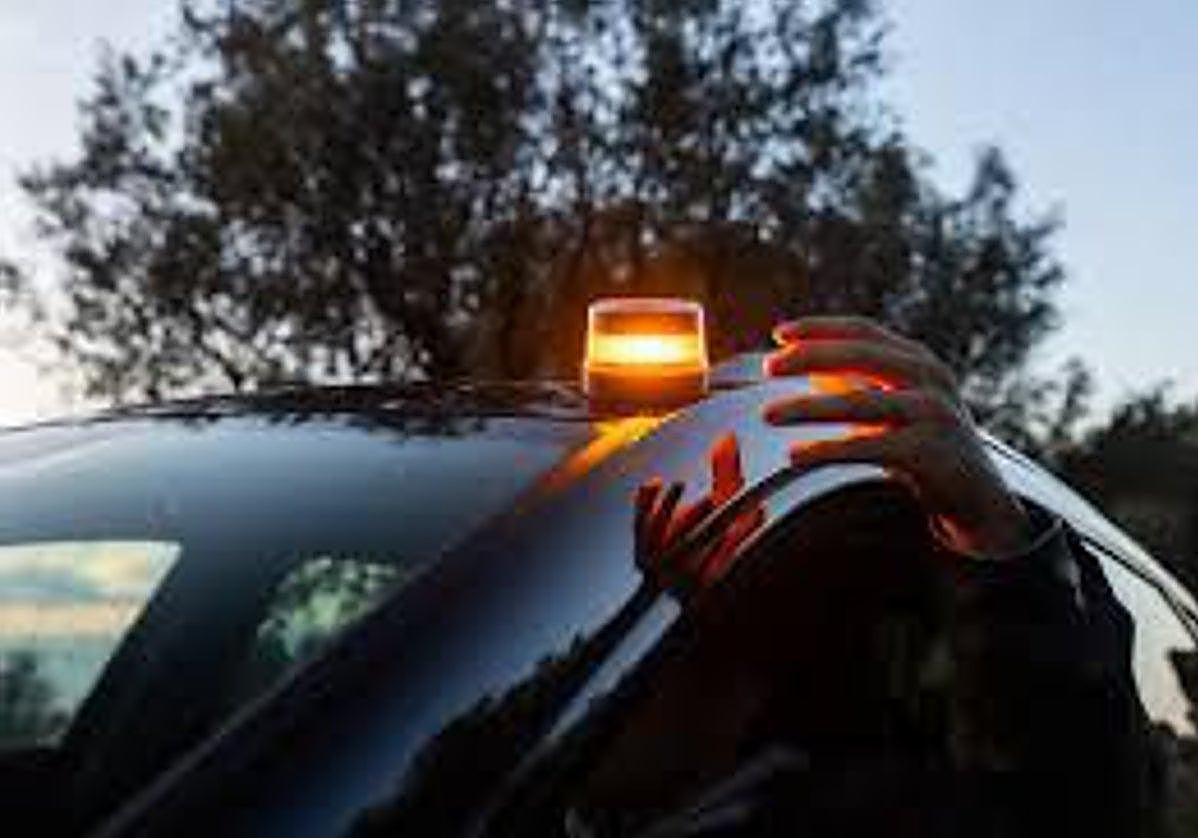
Many drivers on the roads of Spain are still either confused about or completely unaware of the new emergency situation warnings regulations, which replace the warning triangle with the connected V16 beacon light. A study reveals that almost two thirds of them are unaware of all the details, which exposes them to fines of up to 200 euros as of 1 January next year.
Time is running out and the new regulations are coming into force very soon. From 2026, warning triangles will be definitively replaced by the connected V16 lights. However, a study carried out by lighting company Osram has highlighted the widespread lack of awareness in Spanish society.
According to the report, 65% of drivers are unaware of the details of the new regulations. What is more concerning is that almost 40% of drivers are unsure about the impact this transition will have on road safety.
Sanctioned for lacking information
Lack of information puts a large part of society at risk of being fined. The study indicates that 88% of drivers still use warning triangles as their main method of signalling a roadside problem. However, triangles, together with non-connected V16 beacons, will stop being valid at the beginning of 2026.
More than 30% of drivers don't know that they can be fined up to 200 euros if they don't have the V16 properly connected and certified by the traffic authorities after 1 January.
Osram sales manager Carlos Garrido stresses the need to launch a rapid awareness campaign so that drivers are informed on time. In addition, 23% of survey respondents don't know how to differentiate between a certified V16 light and an uncertified one. Those who know that there is a difference but don't know how to tell are afraid to buy a fake one in 73% of the cases.
Only DGT 3.0 certified beacons are valid and legal. When activated, the device must send an exact, anonymous geolocation signal of the vehicle to the DGT platform, automatically alerting other road users and emergency services about the incident, without the driver needing to leave the vehicle.
"The transition from the warning triangle to the connected V16 light represents a significant advance in road safety," Garrido says, adding that the new technology "not only improves the visibility of the vehicle but also reduces the risk to the driver" by not forcing them to get out of the vehicle to place the triangle.
![[]](http://static.vocstatic.com/voc26/latest/assets/images/favicon/surinenglish/apple-touch-icon-57x57.png)