
Health
Health professionals call for flu vaccinations for all children and adolescents in Spain
They cite the increase in deaths and intensive care unit admissions of minors that has been detected as a result of the virus, which becomes epidemic between autumn and winter

Madrid
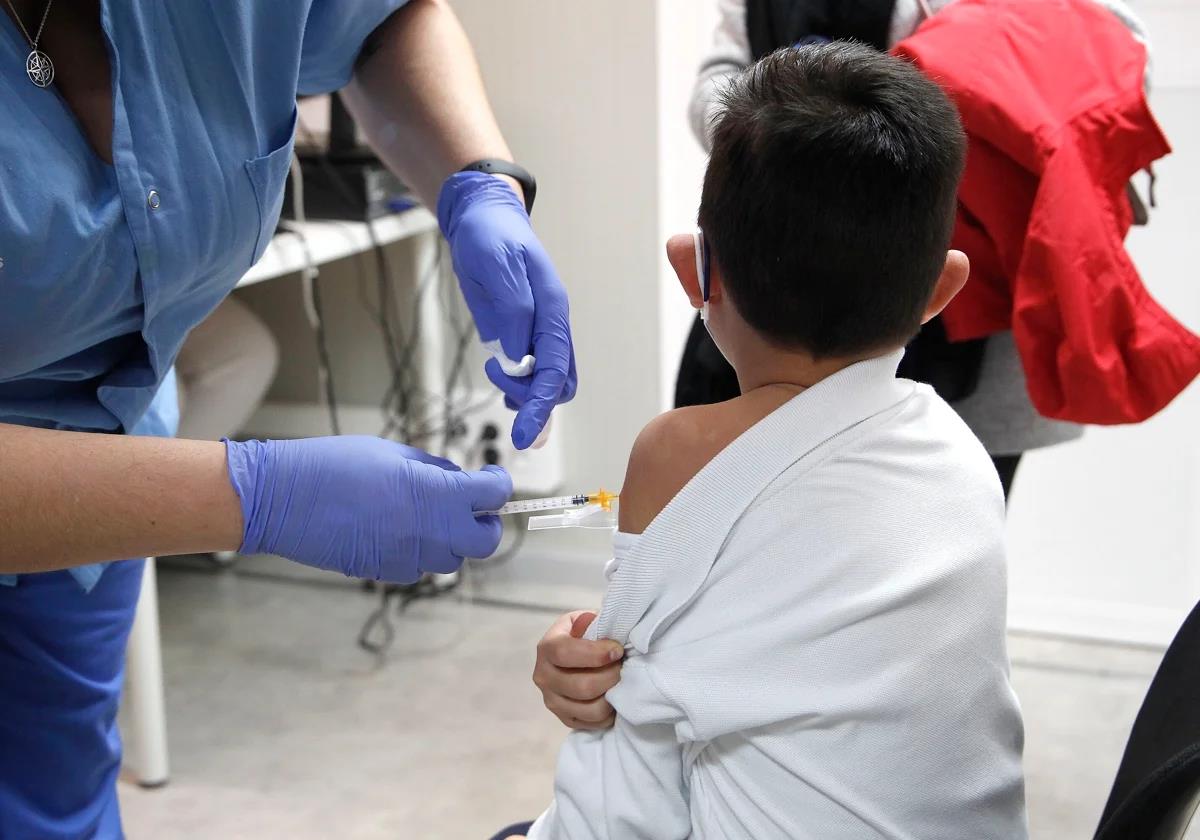
Spanish paediatricians, infectious disease specialists and vaccinologists have drawn up a joint scientific document in which they call on health authorities and parents to start vaccinating all children and adolescents in the country, from the age of six months to 17 years, against influenza, preferably as early as this autumn.
In the document, associations state that the flu in children should not be perceived as a mild illness. To illustrate this, they cite the increase in child deaths and ICU admissions of minors that has been detected as a result of the virus, which becomes epidemic between autumn and winter.
Experts believe that the only way to prevent the epidemic from reaching children and curb the increase in severe cases is to achieve general immunisation, which would require a coverage rate of 95% of the age group or higher.
Spain is a long way off this achievement. To date, the public health system has only scheduled one annual free vaccination campaign against influenza for children between the ages of six months and four years, as well as for those outside this age group who are at a higher risk due to other conditions and chronic illnesses. Not only are the rest of the children and adolescents not included, but also the vaccination coverage of the former is very low. Fewer than 50% of that age group receive the vaccine.
Experts warn parents that they should not underestimate the importance of protecting their children every autumn, as the influenza affects between 30% and 40% of children every season, causing the hospitalisation of four million children worldwide and the death of 35,000 every year - twice as many deaths as those caused by bacterial meningitis. However, vaccination against meningococcus in Spain reaches 96% of children, twice as many as for influenza.
For the vaccine to be effective, adults caring for or living with children with high-risk diseases, as well as all those living with infants under six months, pregnant women and all health professionals should also be vaccinated.
Children can transmit the virus more than adults
Specialists indicate that a general vaccination campaign for all Spanish children would be very cost-effective for health authorities because, in addition to saving lives, it would significantly reduce consultations for influenza in primary care, pressure on emergency departments and hospitalisations. It would also help minimise the annual epidemic among adults, as children can transmit the virus from one week before the first symptoms and up to two or three weeks after that, which is three to four times longer than adults.
The medical associations calling for this measure hope that the Ministry of Health will accept their recommendation and include general immunisation of minors in the national public health calendar. They point to Castilla y León as an example of a region that has already taken the first steps by extending free flu vaccination to all children up to the age of eight. Meanwhile, Murcia and Galicia are planning to extend the campaign to nine-year-olds and to 11-year-olds, respectively.
For this child and youth immunisation plan to be a success, the campaign should be accompanied by strategies that raise awareness among parents through primary care centres, the media, pharmacies, institutions. In addition, experts believe that easy access to the vaccine - in schools, at weekends and in health centres in the afternoon - will facilitate parents even more.
![[]](http://static.vocstatic.com/voc26/latest/assets/images/favicon/surinenglish/apple-touch-icon-57x57.png)