
Economy
Car sales are gaining momentum and becoming the driving force behind consumer spending in Spain
A new report has highlighted how consumption patterns have changed in the aftermath of the Covid pandemic, with services and durable goods now playing a more significant role in household spending

Madrid
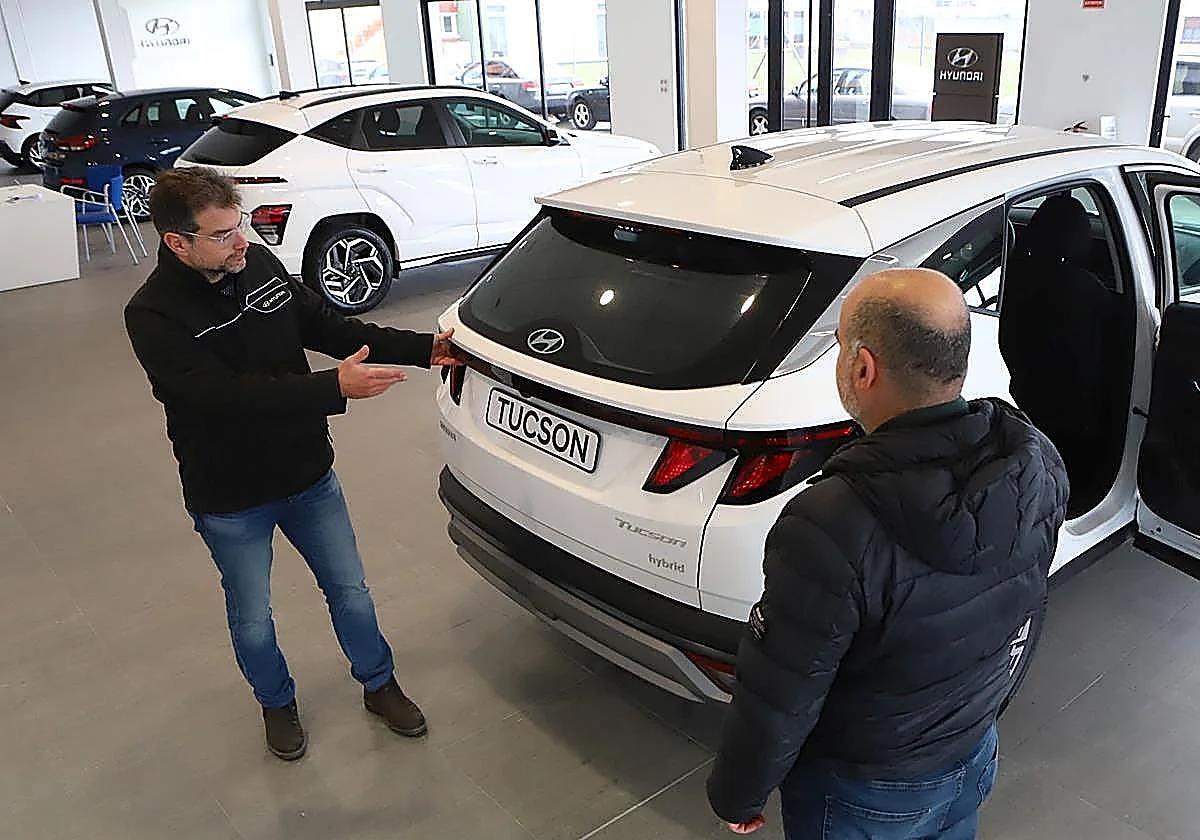
Household spending in Spain will grow by 3.3% in 2025, two-tenths of a percentage point more than in 2024 when it reached a record high and will slow off to 2.6% in 2026, but still above the projected GDP (gross domestic product) growth. This is according to the latest consumer outlook report from BBVA Research, which indicates that the automobile has consolidated its position in the last quarter as the driving force behind durable goods consumption, with new registrations increasing by 15% through October.
Among the factors explaining this trend are job creation, salary and pension increases, along with contained inflation, allowing households to regain purchasing power. Added to this is a more favourable financial environment for families, with stable interest rates that are also lower than in previous years. Turning to the figures, real household disposable income will increase by an average of 2.9% annually during the 2025-2026 period. Furthermore, the report indicates that household wealth will experience significant growth, with net financial wealth rising by 6.3% annually, while real estate wealth will increase by 6.6%, boosted by the appreciation of housing prices and moderate levels of debt.
The report also highlights how consumption patterns have changed in the aftermath of the Covid pandemic, with services and durable goods now playing a more significant role in household spending. Among the latter, the automotive sector stands out as one of the main drivers of consumer spending in 2025. Between January and October 2025, 951,516 new passenger cars were registered in Spain, 14.9% more than in the same period in 2024. Despite this progress, the figure is still 10.2% below 2019 pre-pandemic levels.
![[]](http://static.vocstatic.com/voc26/latest/assets/images/favicon/surinenglish/apple-touch-icon-57x57.png)