
Animal welfare
Common mistakes when taking in stray cats and dogs: sound advice from a vet in Spain
Now that the cold weather is setting in, we feel even more sorry for these animals living on our streets and, with the best intentions, our kindness can sometimes be counterproductive

Madrid
In Spain around 300,000 pets are abandoned every year and many of them end up wandering the streets in constant search of food, clean water and shelter. Although animal shelters do take in many of them, the number of homeless dogs and cats remains staggering. The latest statistics show that 800,000 dogs are living 'on their own' and the TNR schemes to trap, neuter and release stray cats have barely reached 2% of the estimated total stray cat population, numbering in the hundreds of thousands.
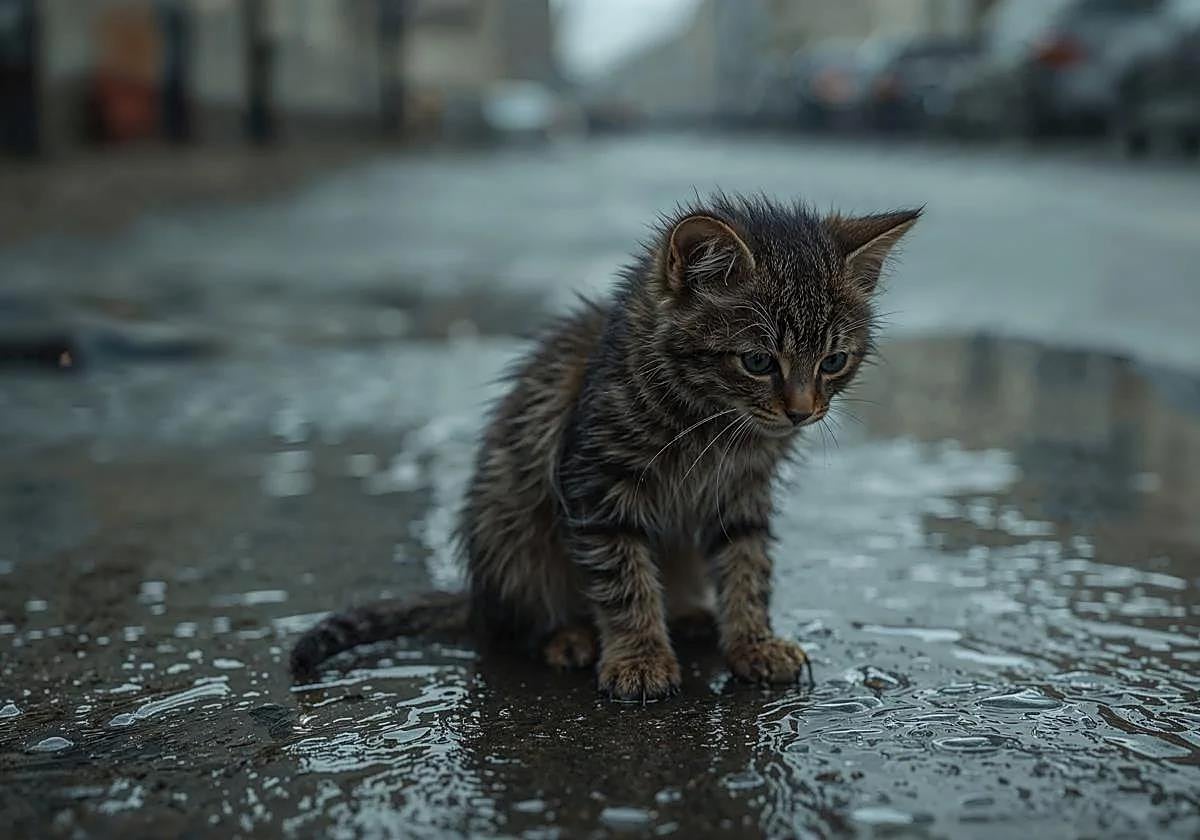
As such, with the harshest winter months now approaching, many members of the public are concerned about these neglected animals roaming their streets and neighbourhoods. "The most frequent problems they present," explains veterinarian Lucía Santo, a collaborator with specialist pet food company Natura Diet, "are respiratory conditions (such as tracheitis, bronchitis or pneumonia), skin problems (thanks to the proliferation of fungi and bacteria caused by excessive humidity), infected wounds (from getting dirty with mud and contaminated water) and digestive disorders caused by ingesting stagnant water or spoiled food.
All these, together with the proliferation of external parasites, such as fleas and ticks, leads to glaringly obvious symptoms such as "constant scratching, loss of fur, bald patches, tremors, coughing, sneezing, difficulty breathing, diarrhoea, vomiting and even a swollen abdomen," says Santo.
So, is it advisable to take some initiative ourselves and take in that dog or cat we are feeling so sorry for? For Santo, it's not that simple: "To begin with, such an animal can show restlessness and aggression. The best course of action is to contact a vet or animal shelter, as each case requires a specific approach and protocol. Taking an animal into our home when we are not its legal guardian and it is unaccustomed to our presence can be a very commendable decision to make during periods of rain and extreme weather, but we must be careful."
Should the animal shelter or the relevant authority agree to you being a temporary foster, Santo stresses the importance of being well-informed to avoid putting the animal itself, yourself or any animals already living in your home at risk. "This involves providing a very quiet space, free from any perceived threats, with food, a suitable temperature and constant access to drinking water. You can also help create such a space outdoors if the animal does not accept human contact. Once the bad weather risk has passed, you should contact the shelter again to start the adoption process or return the animal to where you found it, always under the supervision and approval of the relevant authorities."
You should also be careful about improvising with building a shelter out in the open using materials such as cardboard or blankets, as they easily get soaked, contaminating any water left for the animal. Furthermore, perhaps even more obvious, you are strongly advised not to administer any type of medication to a stray animal without veterinary supervision, something Santo describes as "very dangerous if you don't know the dog or cat's weight, age or general state of health".
The situation with cat colonies
Cat colonies, that is, groups of cats living freely or somewhat freely without a known guardian or owner, are becoming increasingly numerous. This is as true for the number of volunteers who are willing to manage them, after requesting assistance from the local council, since Law 7/2023 on protecting animal rights and welfare requires councils to document and register them.
So, what practical measures should locals and volunteers take to ensure the well-being of these colonies when the weather worsens? Santo recommends "installing shelters designed to withstand rain and wind, offering safe spaces from a cat's point of view. That is, with various 'hiding places' placed on high that have several escape routes, as being somewhere high up is fundamental to all felines' sense of security."
As for feeding, the vet advises "prioritising dry food, as its naturally low moisture content means that it spoils much more slowly than wet food. Also, try to offer food at the same time and place every day, so they get used to being near humans and to that feeding routine."
In addition to this, it is important to maintain the cleanliness of their resting areas and their food and water bowls. "You should change the water and remove leftover food as often as you possibly can. These feeding and cleaning times are perfect for close observation of the animals to detect any signs of illness."
When it comes to choosing some foods over others, you should ultimately opt for those "that prioritise proteins, fatty acids (for instance, omega-3 and omega-6), minerals (such as zinc) and vitamins (such as vitamin A) since, in extreme climates, both the energy density of the food and its contribution of essential amino acids can drastically tip the scales", says this Natura Diet collaborator.
![[]](http://static.vocstatic.com/voc26/latest/assets/images/favicon/surinenglish/apple-touch-icon-57x57.png)