
Ceuta migration crisis 2026
New Ceuta migration wave called off thanks to heavily fortified border
Moroccan security forces and Spanish police units maintain high alert along the enclave perimeter following social media calls for a mass crossing
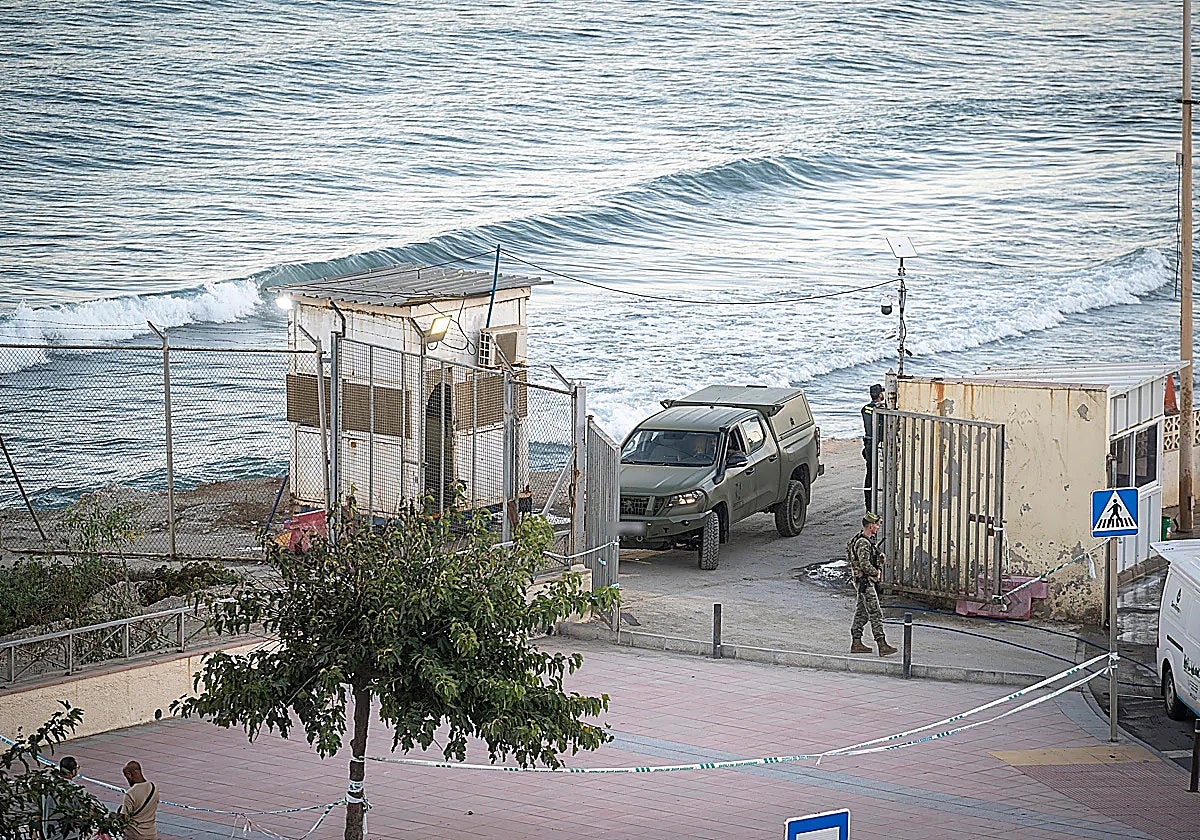

Tarajal awoke on Wednesday to a tense sense of calm. From the early hours, vehicles crossed the border normally, with no significant gatherings reported in ... Ceuta, nearby Benzú or on the Moroccan side.
Following weeks of online posts forecasting a mass border breach for 23 September, the night passed without incident. Security agencies, however, warn that the threat remains active and are refusing to stand down surveillance efforts.
Spain's Interior Ministry has deployed a reinforced security operation along the perimeter. Multiple National Police vans and Guardia Civil patrol units took up positions early Wednesday morning.
Related story

Security sources confirmed that surveillance will remain active throughout the day to monitor encrypted channels and movements near Castillejos (Fnideq).
The National Police has deployed 75 officers from its specialised intervention unit, while the Guardia Civil has mobilised three reserve platoons - adding more than 200 officers to the regular border contingent.
Aerial surveillance capacity has also been doubled, using two drones and a helicopter to provide real-time updates on potential crowd formations.
Intelligence services spent days analyzing online messages to distinguish between online propaganda and genuine mobilization capacity. A private Facebook group linked to the calls exceeded 91,000 members, though officials stressed that group membership rarely translates directly into physical action.
Deterrent measures deployed by Moroccan authorities have proven crucial. Security units established early checkpoints at Castillejos and Bab Sebta, stopping groups long before they could reach the border fence - replicating a similar intervention that defused a planned crossing on 15 August.
The heightened alert follows events on 30 and 31 July, when around 7,000 people crossed into Ceuta after initial perimeter lapses.
Declassified documents later confirmed that Spain's national intelligence centre had warned on 29 July of the possibility of a mass crossing. The information also reached the Moroccan secret services around 17 hours before the crisis began.
The crowds have overwhelmed Ceuta, with thousands of people still in need of assistance and a political and judicial crisis that remains unresolved.
That incident remains under judicial investigation by National Court judge María Tardón to determine intelligence sharing and response protocols between Spanish and Moroccan authorities.
![[]](http://static.vocstatic.com/voc26/latest/assets/images/favicon/surinenglish/apple-touch-icon-57x57.png)