
Agriculture
Avocado harvest recovers in Spain with 30% national increase
Production will exceed 100,000 tonnes, boosted by the recovery of the Axarquia area in Malaga province, following the drought, and thanks to new farms in Valencia, Cadiz and Huelva

Malaga
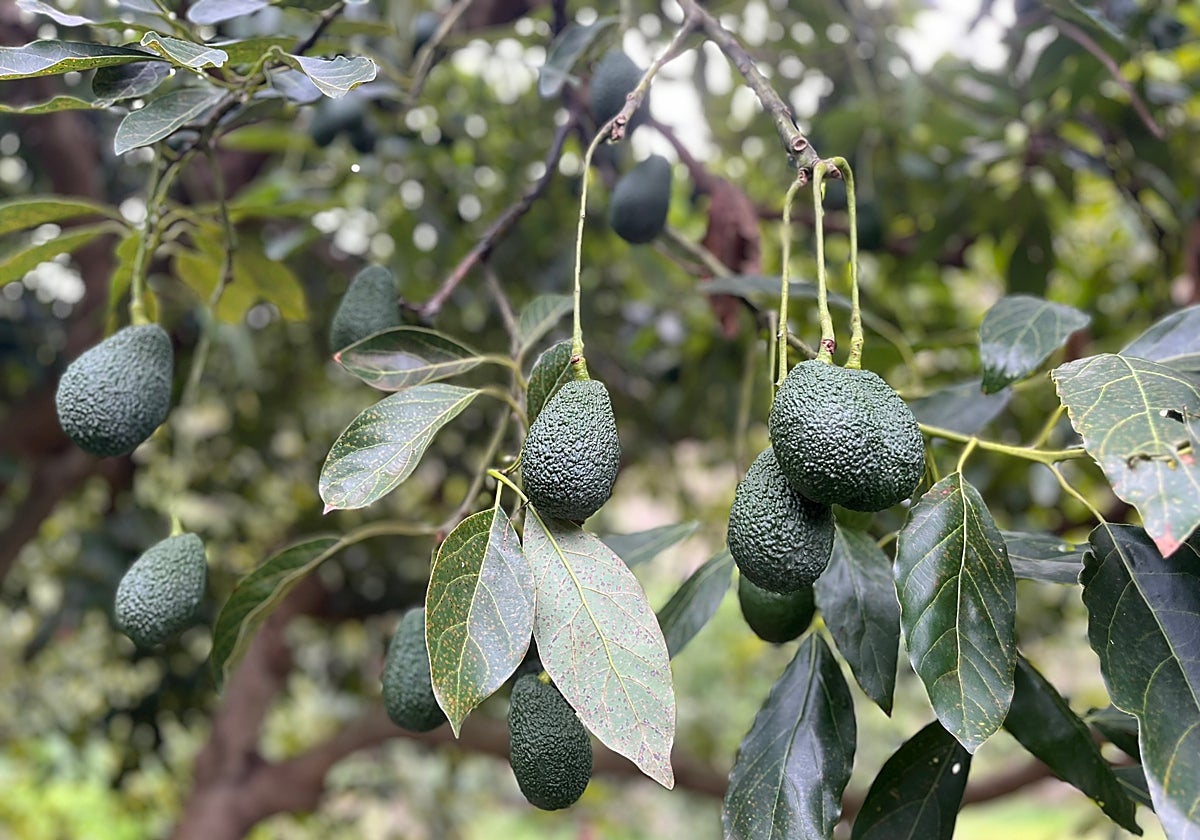
Spain's avocado production has finally managed to overcome the national crisis that has been troubling gorwers in recent years due to one of the most extreme droughts in the last few decades. After several seasons marked by a drop in production due to water shortages, the Spanish avocado season is starting with a forecast increase of 20 to 30% thanks to the recovery of the Axarquia area and the expansion of other producing areas such as Cadiz and Valencia. If last year closed with 75,000 tonnes, this year's national harvest could easily exceed 100,000.
The Spanish avocado and mango interprofessional organisation (OIAM), based in Vélez-Málaga, has highlighted the "very positive prospects" at the start of the new season. The abundant rainfall in the Axarquia district this past spring has been favourable, given that this is where most of the country's avocado production is concentrated. This increase boosts "Spain's growing role as a European benchmark in avocado production".
Harvesting of smooth skin varieties such as Bacon, Fuerte, Zutano and Ettinge is progressing
During these first weeks of the Spanish avocado season, smooth varieties such as Bacon, Fuerte, Zutano and Ettinger are harvested. The Hass variety, which is the most consumed both nationally and internationally, will not reach its optimum levels of maturity and quality until mid-November. For this reason, the OIAM is asking the sector "not to harvest or sell Spanish Hass avocados prematurely".
According to the OIAM, guaranteed quality is logically a main selling point. Ensuring that the avocado sold is ripe enough is what enhances Spain's reputation. "If we harvest the fruit too early, we disappoint the consumer and harm the value of our product," the organisation said.
The OIAM brings together producers, marketers and distributors with the aim of boosting competitiveness, sustainability and consumption of Spanish avocado and mango, both in the domestic market and in the main European destinations.
Beetle plague
On the other hand, the Spanish tropical fruit association (Aet) has warned that the dreaded ambrosia beetle plague, first detected in Motril in 2023, has now spread to the province, following initial alerts in February. This type of insect seriously endangers harvests.
For this reason, the regional ministry of agriculture has proposed a conference to be held in the near future in order to discuss how to combat this plague as quickly and efficiently as possible.
![[]](http://static.vocstatic.com/voc26/latest/assets/images/favicon/surinenglish/apple-touch-icon-57x57.png)