
The Bottom Line opinion
God is everywhere
Religion, in the broadest sense of the word, is in vogue, writes columnist Regina Sotorrío
Regina Sotorrío
Malaga
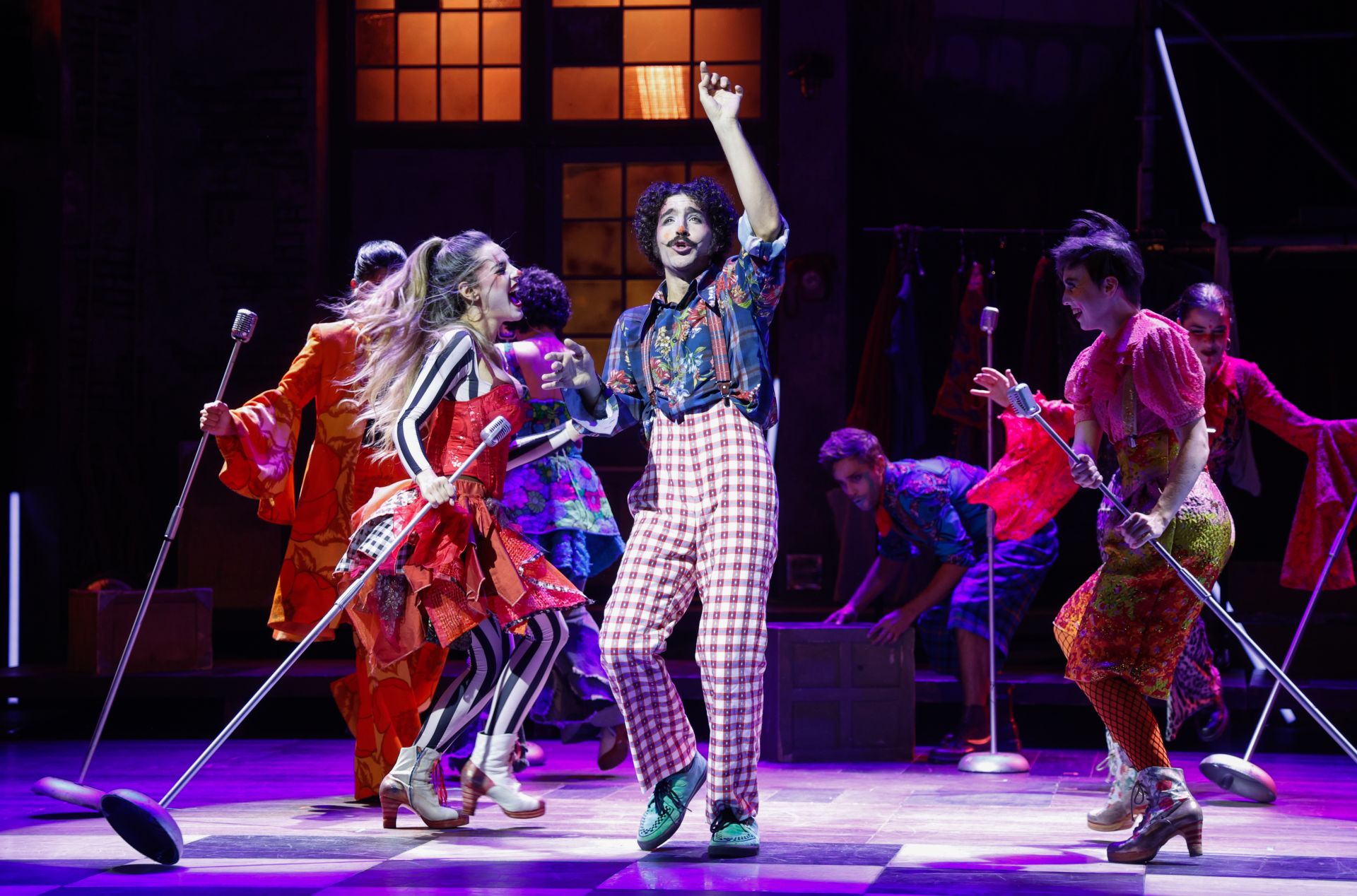
The other day the Bishop of Malaga, José Antonio Satué, said that he had enjoyed the performance of Godspell at the Soho Theatre so much that he was "tempted to say it was heretical, so that everyone would go and see it".
He commented on his X account as soon as he left the premiere of the musical directed by Antonio Banderas. Leaving aside the novelty of a prelate joking naturally on social media (good!), the truth is that this would have been a good selling point for the show a few years ago, but now it is no longer necessary.
Religion, in the broadest sense of the word, is in vogue. Whether for aesthetic or ethical reasons, the idea of divinity, spirituality and Catholicism is, like God, everywhere and has recently appeared in numerous manifestations of popular culture. Rosalía, the prophetess par excellence of contemporary music, dressed as a nun on the cover of her album, is the definitive confirmation of this phenomenon.
Perhaps it was mere coincidence, or perhaps it is yet another sign of the times, but amid this spiritual revival, Antonio Banderas is reviving the musical inspired by the Gospel of St Matthew, a series of parables updated with modern language and staging, set to the rhythm of copla, rap and rock. In a sceptical, dehumanised world, cured of fear, with the sound of bombs falling all around, a sensitive young man makes his way with his message of love for one's neighbour, respect and forgiveness. And everyone follows him. And the theatre is full.
Religion has always inspired the cultural world in different ways, but what is striking is the coincidence of faith-related themes right now in theatre with Banderas, in film with Alauda Ruiz de Azúa's Los Domingos, and in music with Rosalía's Lux and Rigoberta Bandini's Jesucrista Superstar.
There are now successful series, books, singers, podcasts and even video games of a spiritual nature. They may always have been there, but now they are more visible. And most surprisingly, this return to religion is not based on criticism, irony or the intention to subvert, but rather stems from a fascination with its symbols, imagery and message.
Some say it is because we need something to hold on to in the midst of chaos, or because the calmness conveyed by a church or convent seems like a good plan in the face of the bustle of modern life. In one way or another, they are wake-up calls that invite us to reflect on the world around us. And artists, once again, have been the first to realise that something is happening on the streets.
![[]](http://static.vocstatic.com/voc26/latest/assets/images/favicon/surinenglish/apple-touch-icon-57x57.png)