
The Euro Zone - opinion
Stop the clocks
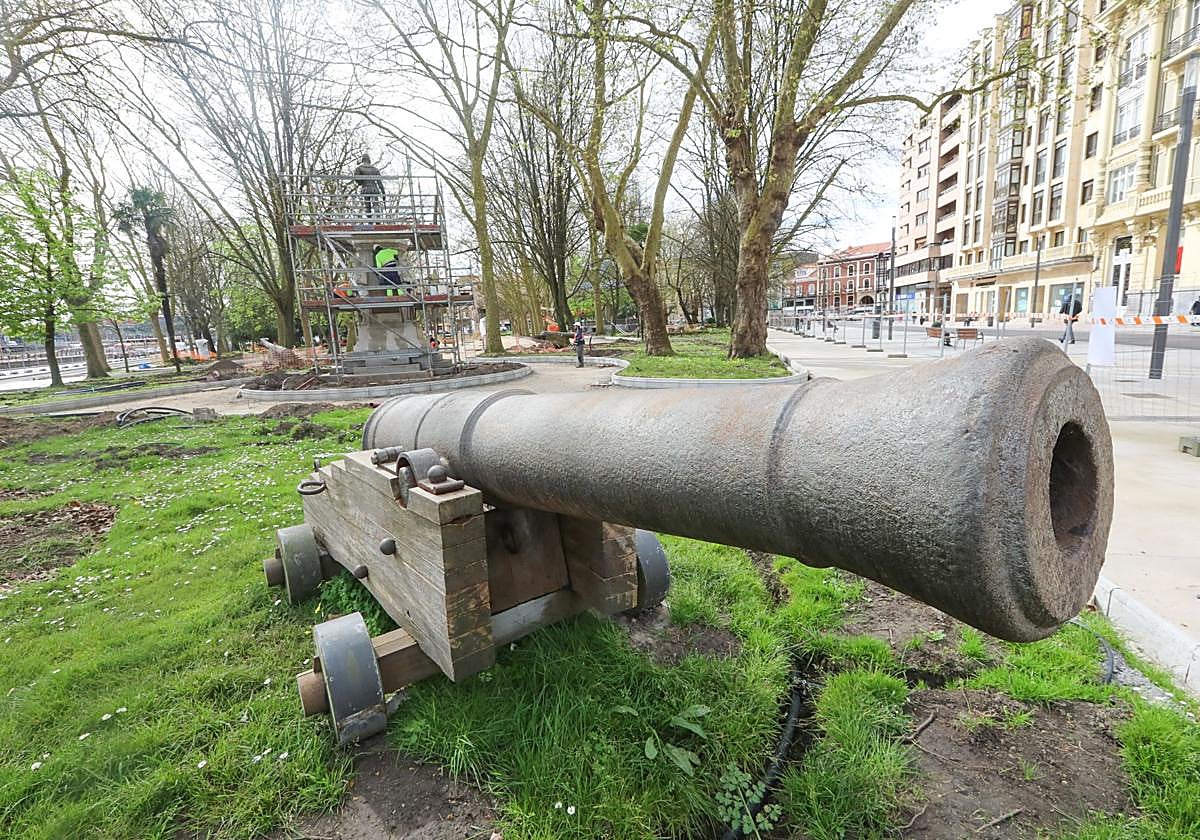
In a satirical piece written for the Journal de Paris while Franklin was American envoy to France (1776-85), he suggested that the city authorities tax window shutters, ration candles and (my favourite) fire cannons at dawn to jolt residents awake
Mark Nayler
Seven years after the EU promised to scrap daylight saving time (DST), Spain is restarting the campaign to end bi-annual clock changes. As Europe once again prepares to turn back time by an hour on Sunday morning, Prime Minister Pedro Sánchez has posted a message on X saying that he doesn't see the point.
"In all the surveys in which Spaniards and Europeans are asked," he said, "the majority are against changing the time." Sánchez also claimed that the energy saving effects are negligible, and that the two occasions a year on which we time-travel pose health and safety risks.
The Spanish premier was referring to a survey of 4.6 million European citizens in 2018, in which 84% favoured abolishing the twice-yearly time changes (in Spain, that figure rose to 93%).
The EU Commission's then-president, Jean-Claude Juncker, pledged to scrap DST by the end of the following year, but failed to secure enough support.
At a meeting of EU energy ministers in Luxembourg on Monday, Spain's representative Joan Groizard requested that the debate be reopened. For DST to be abolished, fifteen of the bloc's 27 nations would need to vote for the proposal, and no more than four oppose it.
DST was introduced in Europe and the US during the First World War as a way of conserving coal. It was scrapped by many European countries after the conflict, but most brought it back at a later date, especially during the oil crises of the 1970s.
Spanish dictator Francisco Franco pushed the clocks forward in March 1940 to align with Nazi Germany: Madrid has been one hour ahead of Lisbon ever since.
Amazingly for a practice that takes us back or forward by just one hour, there is evidence linking DST to a range of negative effects, from medical errors and traffic accidents to heart attacks and strokes. All of these can ultimately be attributed to the disruption caused to the body's circadian rhythms.
Health and safety issues are among the reasons why only a third of the world's countries still observe DST. Nations that have abolished the custom in the last decade include Jordan, Russia, Turkey, Syria and Uruguay.
As the debate about DST reanimates, perhaps Brussels should look at Benjamin Franklin's proposals. Franklin didn't argue for clock-changing - he simply recommended that people go to bed and get up earlier to maximise daytime hours.
In a satirical piece written for the Journal de Paris while Franklin was American envoy to France (1776-85), he suggested that the city authorities tax window shutters, ration candles and (my favourite) fire cannons at dawn to jolt residents awake. It's an elegant solution, no? End DST, but place cannons on every street corner.
![[]](http://static.vocstatic.com/voc26/latest/assets/images/favicon/surinenglish/apple-touch-icon-57x57.png)