
World Travel Market 2025
The changing trends at the World Travel Market in London: from the use of AI to travelling beyond the summer months
At WTM meetings with delegations from the Andalucía region and Malaga province, airlines and tour operators announced expectations that the number of British visitors will continue growing on the Costa del Sol

Enviada especial. Londres
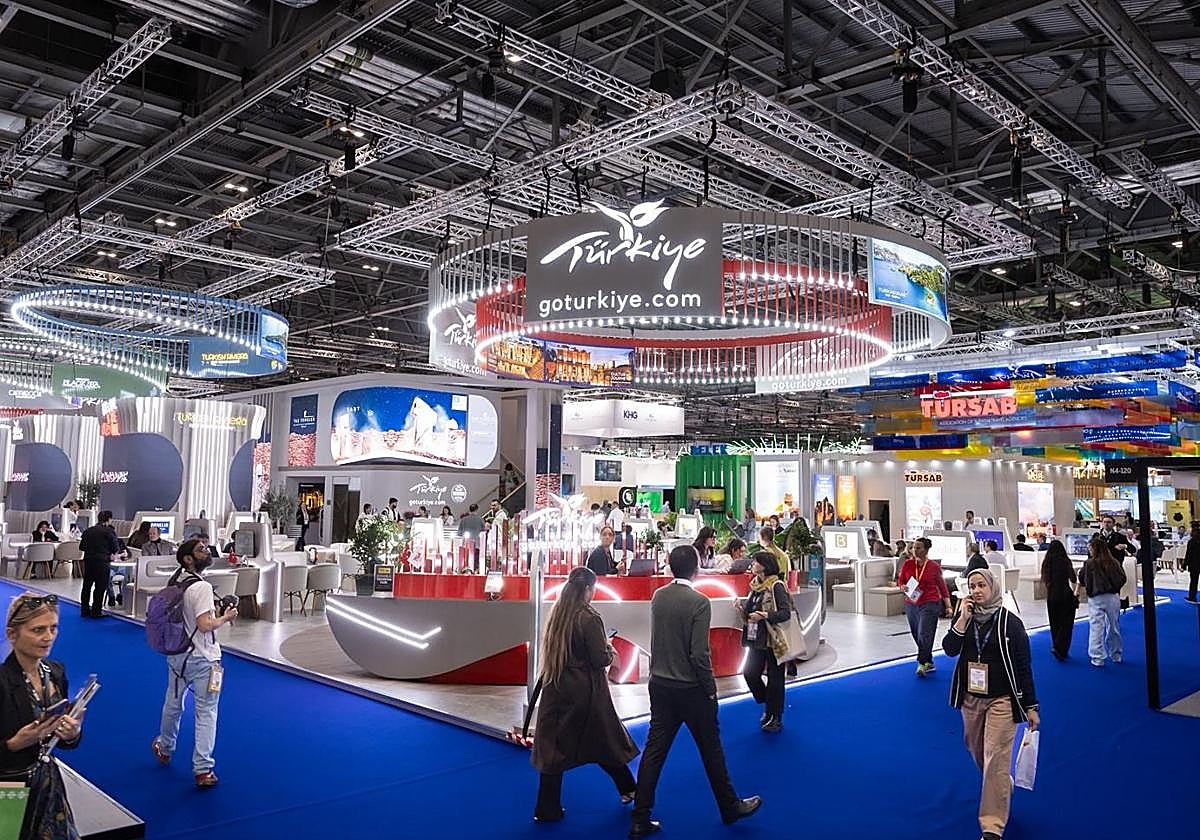
The World Travel Market (WTM) finished with a clear trend-setting strategy on Thursday, 6 November. The meetings between Andalusian and Malaga entrepreneurs with British operators, airlines and travel agents established two expectations for the future of destinations in this market: UK tourism on the Costa del Sol will grow by around 6% next year and British tourists are now willing to travel beyond the summer months.
General director of Turismo Costa del Sol Antonio Díaz confirmed this on the last day of the fair, even though the number of Spanish professionals had decreased, giving the spotlight to representatives from the Middle East and Asia.
A very important discussion topic on the last day was AI and its relationship to tourism. Experts mostly agreed that artificial intelligence is not the enemy of travel. Two teams of three people argued for and against AI in tourism. Stephen Joyce from Protect Group said that AI-led travel "removes the magical, human chaos of being in a new place". Proponents of AI pointed out that tourists already use and enjoy it, despite its flaws and limitations. Christian Watts of Magpie joked that it was "a tough day for humans", but added that the public response probably reflected "not the current state of AI, but its future".
The new British trend of travelling outside the high season, which is on the way to becoming consolidated rather than just a passing fad, opens up a key opportunity for destinations such as Andalucía and the Costa del Sol. Data shows that tourists that stay longer on the Costa del Sol prefer September, May, March and October. Most of these months also coincide among short-stay visitors: October, April, May and September. The statistics show that they tend to make one of each type of trip per year.
Regional minister of tourism Arturo Bernal backed up this trend with data: April and May this year experienced the greatest increase in British tourists, with 27.7% and 17.4%, respectively, compared to a 5.4% increase in August, which has been the month par excellence for holidays. February also saw an increase of 13%. According to Bernal, this data proves that Andalucía is "already achieving the great objective" of deseasonalising tourism.
The regional minister said that demand is maintained throughout the year. In addition to this, it seems like many British tourists have already either explored the coast and are looking at inland tourism in Andalucía or are, in general, interested in the region's culture, food and people, beyond the sea and the sun, which have been the traditional focus of promotional campaigns. Therefore, as Bernal pointed out, there is a sort of "double deseasonalisation", as tourists spread throughout the entire region. "This is a great opportunity for small and medium-size towns," the regional minister said.
Mission accomplished
Bernal believes that Andalucía has achieved the goals it had in mind for the WTM this year: "the redistribution of flows", expanding Andalucía's reputation beyond a single offer and the promotion of cultural and gastronomic tourism.
President of Turismo Costa del Sol Francisco Salado highlighted the consistent interest that the British show towards Malaga province. "The Costa del Sol maintains its leadership thanks to the trust and loyalty of our visitors, who value the safety, reliability and authenticity of the province," he said, adding that competition does not present challenges for them.
As for current trends, premium and personalised luxury tourism are on the rise. Experts report an increased demand for personalised experiences, superior accommodation and exclusive activities. "The Costa del Sol is perceived as a reliable destination, with excellent infrastructure and a high level of services," Salado said.
Generational renewal
Another upgrade that was discussed in the meetings at the WTM was the incorporation of a fresh and younger workforce to British travel agencies, equipped to sell the destination better.
"Visitors are looking for the local and authentic: gastronomy, nature activities, culture, sports and wellness," Salado said, adding that they are open to this wider collaboration with business owners and travel operators.
One factor that complicates tourism is the global tension caused by the conflicts in Ukraine and Palestine. This has led to a decline in visitors in countries such as Turkey and Egypt. The demand for Turkey in the UK, for example, had fallen by 4% up to September.
A symptom of the struggling British economy is the delay in holiday planning. Britons no longer look for early bookings and they often plan their trips with a three-week notice. These new ways of travelling are driving British tourism to Andalucía and the Costa del Sol, at least for the time being.
![[]](http://static.vocstatic.com/voc26/latest/assets/images/favicon/surinenglish/apple-touch-icon-57x57.png)