
Archaeological investigation of Phoenician burial ground in Mijas moves on to next phase
The town’s mayor, Josele González, pointed out that the study, which will focus on the 18 tombs that have so far been discovered on the site, will be overseen by the anthropologist, Victoria Peña

Mijas
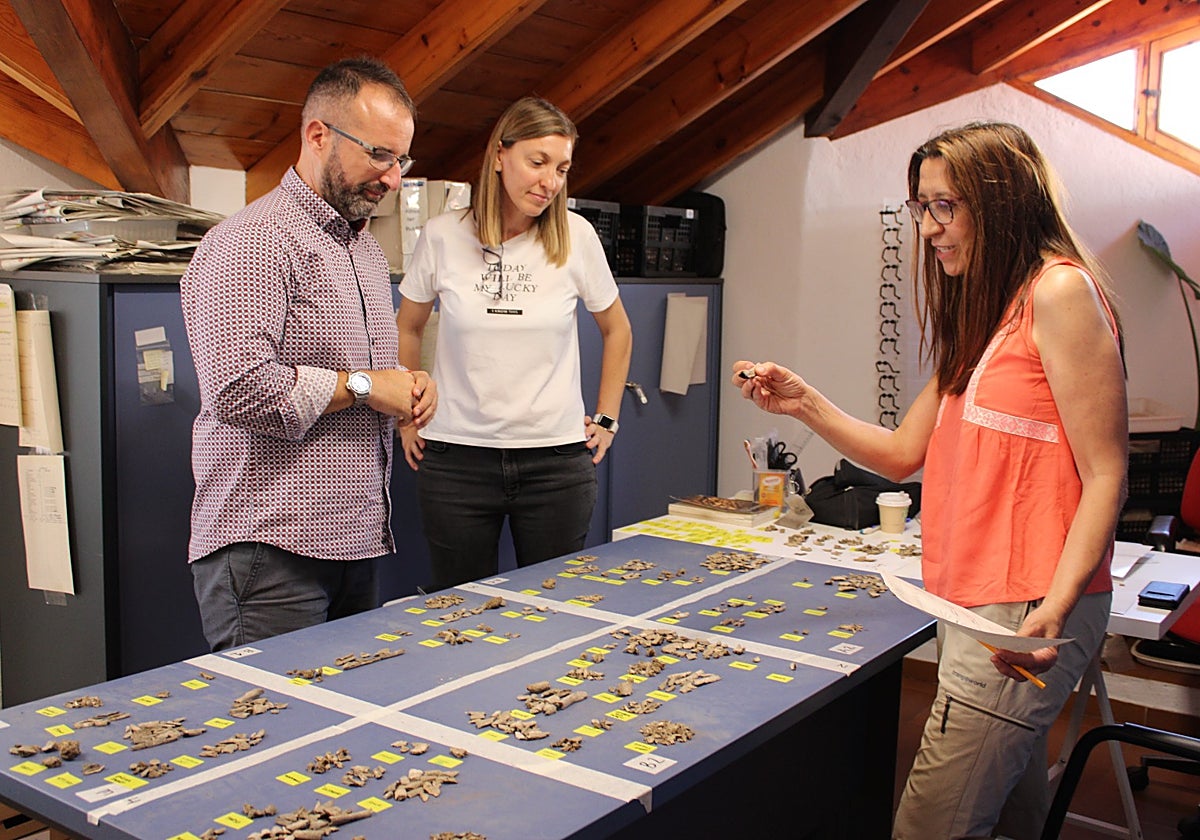
Mijas town hall has announced that the archaeological investigation of the Cortijo de Acebedo Phoenician necropolis has progressed to the anthropological study phase, which, the council says, will uncover more details about the people who inhabited this area of Mijas between the seventh and sixth centuries BCE.
The town’s mayor, Josele González, pointed out that the study, which will focus on the 18 tombs that have so far been discovered on the site, will be overseen by the anthropologist, Victoria Peña. She will analyse the skeletal remains that have been excavated in order to collect a whole series of data that reveal details about their customs, beliefs, daily life and social status.
“We continue to unravel the treasures that are hidden in the necropolis, a site that is gradually becoming a benchmark not only in the province but throughout Andalucía,” Gonzalez said.
Councillor for Historical Heritage, Nicolás Cruz, added that the study will reconstruct the remains of the deceased to determine their gender, age of death, and “any other particularity that will explain how these people lived”.
“This study is yielding surprising results, given that funeral rituals are being found that differ from other settlements in Malaga, Cadiz and Huelva,” he said.
![[]](http://static.vocstatic.com/voc26/latest/assets/images/favicon/surinenglish/apple-touch-icon-57x57.png)