
Courts
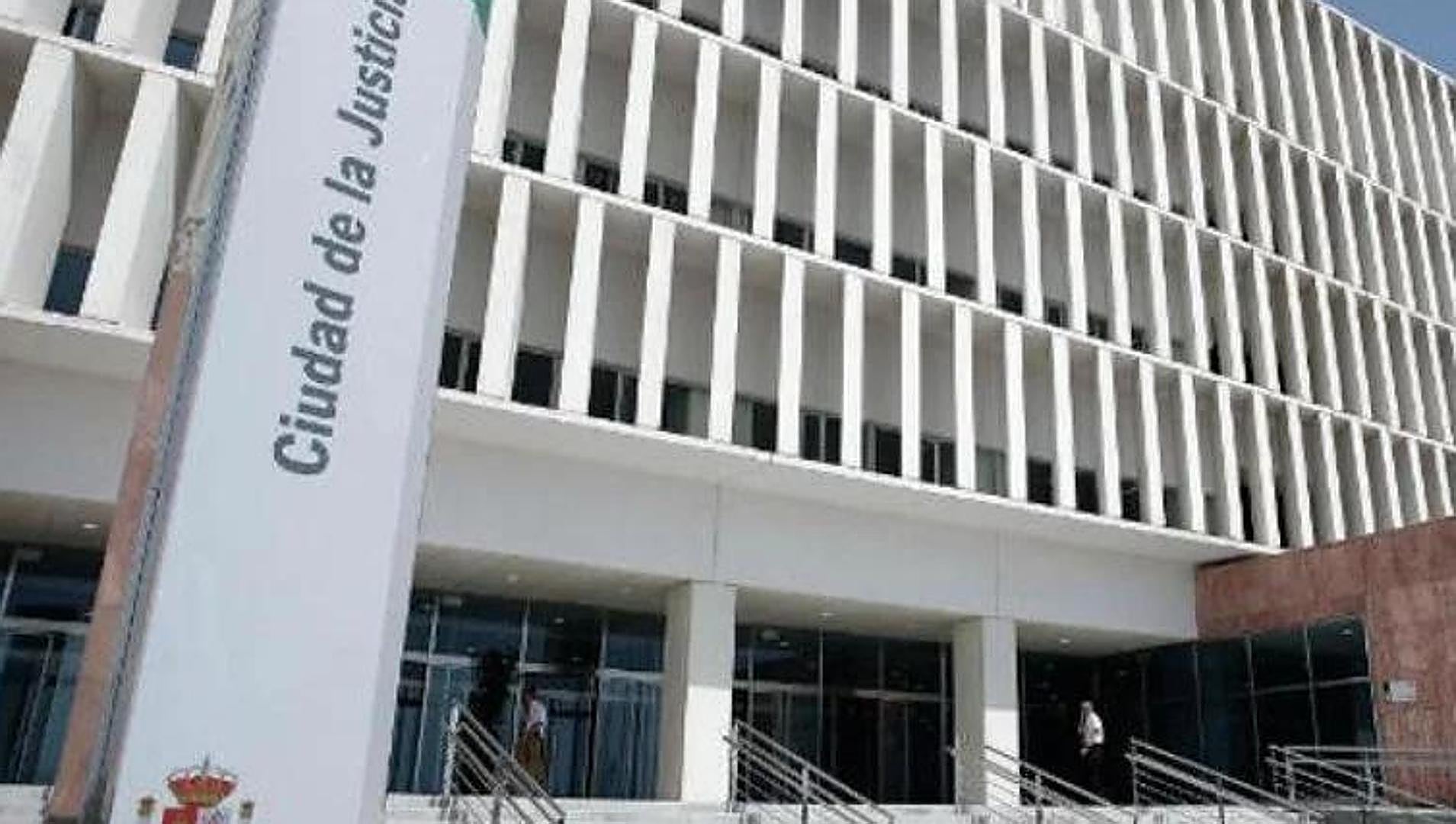
Malaga court exonerates a business owner's debt of 3.6 million euros
The judge considered that he did not act in bad faith and that he meets the requirements to be exempted from paying the outstanding amounts

Malaga
A business owner has had a debt of 3.6 million euros - a record amount in the province - exonerated by a Malaga court on the grounds that he acted in good faith and met all the legal requirements, according to a court order that SUR has had access to. The man had set up a company and had personally guaranteed the loans needed to get it off the ground. However, things did not go as he had hoped, and he eventually had to close it down and file for bankruptcy.
The businessman filed - through his legal representative, Aurelio Gurrea Chalé, president of Dictum Abogados - a request for the discharge of unpaid liabilities after the 15-day period had passed during which creditors could request the appointment of a bankruptcy administrator.
The company, a limited company based in Malaga, had filed for voluntary insolvency without assets - in other words, it had no assets to cover its debts and expenses. As a result, the creditors were entitled to take action against the guarantor of the loans, in which the businessman appeared as a private individual.
The debts, which he could not face with his assets either, amounting to almost 3.6 million, would have made it impossible for him to apply for any loan in the future, no matter how small. "It was his civil death," his lawyer Francisco Javier Fernández Zurita said.
The law firm invoked the insolvency law, although the mechanism applied is the same as that of the well-known second chance law, which in English-speaking countries is referred to as a 'fresh start'. The commercial court considers that all the requirements are met to grant him exemption from the debt, taking into account that no bad faith is observed.
Specifically, the judge stated that “there is no record” of him having been “convicted by a final judgment within the previous ten years to custodial sentences for offences against property and the socioeconomic order, forgery, offences against the public treasury and social security, or offences against workers’ rights”.
Nor does his record show that, in the ten years prior to the application, he had been sanctioned by a final administrative decision for tax offences, declared bankrupt through his own fault, or failed to fulfil “the duties of cooperation and disclosure towards the bankruptcy judge”.
The court order states that the submitted documentation also shows no indication that the individual provided “false or misleading information” or acted in a “reckless or negligent manner” when taking on debt or fulfilling his “obligations in accordance with the circumstances set out in the law”.
Since all legal requirements were met, the commercial judge granted the application for exoneration of the debt, which entails the cancellation of all the company's claims associated with the entrepreneur's name.
![[]](http://static.vocstatic.com/voc26/latest/assets/images/favicon/surinenglish/apple-touch-icon-57x57.png)