
Crime
Spanish government sends police reinforcements to Malaga following wave of gang shootings
Sub-delegate Javier Salas attempts to reassure tourists amid growing alarm over waterfront restaurant ambush and mistaken-identity murder
Gerard Couzens
The Spanish government has announced immediate police reinforcements for Malaga city following a restaurant shooting and the fatal gun attack on an innocent 20-year-old construction worker.
Javier Salas, the central government's sub-delegate for Malaga, attempted to soothe public anxiety surrounding gangland violence, insisting that visitors and locals could continue to go about their daily lives with "complete peace of mind".
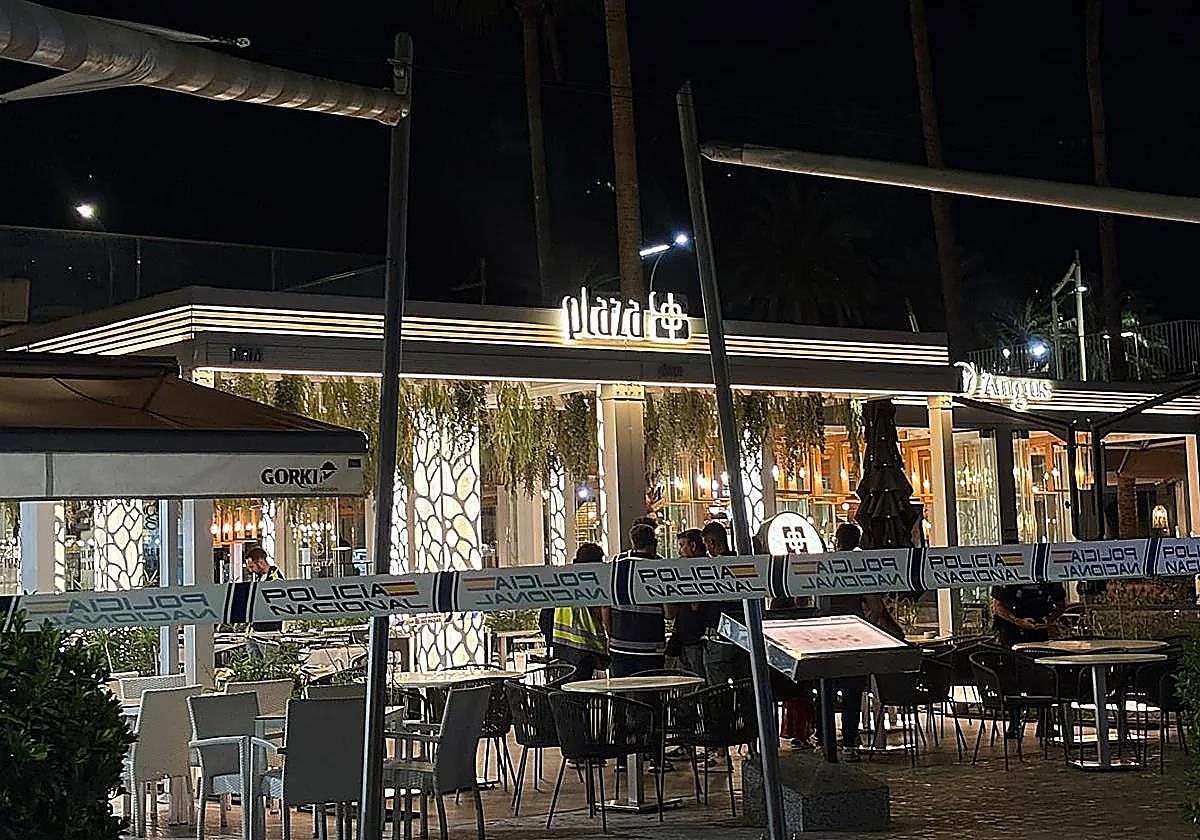
The announcement follows two high-profile firearm attacks in the provincial capital in less than a week. On Tuesday night, 47-year-old Turkish national Umit Yalcin, identified as a football ultra, was shot in the face by two gunmen while dining at the Lounge Bar Plaza restaurant along the busy Muelle Uno waterfront promenade.
Last Friday morning, 20-year-old Malaga resident Nacho died after being ambushed in a central city square by three Swedish nationals of Somali origin. The paranoid gunmen, who have since been remanded in custody, reportedly mistook him for a rival hitman. Police have confirmed that Nacho had no connection to criminal activity.
'A safe province with falling crime rates'
Speaking at the swearing-in ceremony for Malaga's new provincial police chief, Roberto Rodríguez, Salas defended the government's security record despite mounting criticism from senior officers and opposition politicians regarding a lack of resources.
"Malaga is a safe province with crime rates declining year after year," Salas said. "In the last three years, 100 per cent of all incidents involving firearms have been solved by the National Police. That doesn’t happen anywhere else in the world."
Salas revealed that the Plan Costa del Sol - a special law enforcement deployment designed to combat organised crime, drug trafficking and firearm offences - would be reinforced across the capital city with "more officers and a greater police presence", though he declined to specify exact troop numbers.
The operational boost comes as Chief Commissioner Luis Esteban, head of the National Police in Eastern Andalucía, offered a stark assessment of the regional threat, warning that authorities were "sitting on a ticking time bomb" and required additional material and technical resources.
Political backlash and gangland escalation
Opposition politicians have intensified their criticism of the central government's handling of organised crime along the coast. Antonio Sanz, vice-president of the regional Andalusian government, claimed the administration had "lost control of the fight against drug trafficking", warning that Spain was moving towards a "Ministry of Citizen Insecurity".
The Malaga city shootings follow a broader escalation of violent gangland feuds across the region. In early September, police discovered a torture chamber inside an Estepona villa near Marbella, rescuing two captives and arresting seven suspected members of an Eastern European gang. Shortly afterwards on 8 September, a high-speed police chase along Marbella's Golden Mile resulted in three arrests after a 48-year-old Dutch man was shot in the leg near the Aparthotel Monarque Sultan.
Detectives investigating Tuesday's shooting at Muelle Uno are reviewing extensive CCTV footage from the waterfront area. The promenade was unusually crowded at the time of the 10.30pm attack, as families and tourists had gathered in the area following the exhibition of the FIFA World Cup trophy at the nearby Pompidou Centre. No arrests have yet been made in connection with the Muelle Uno ambush.
![[]](http://static.vocstatic.com/voc26/latest/assets/images/favicon/surinenglish/apple-touch-icon-57x57.png)