
Traditional festivities
Five strange carnival traditions in Malaga province
As well as the celebrations taking place in Malaga city, in the districts of Sierra de las Nieves, Serranía de Ronda, and the Sierra Norte, you can find decades-long carnival traditions
Javier Almellones
Malaga
Battlefields with flour or talcum powder as weapons of choice and scenes of burning dolls in bonfires are just a few of the many traditions that form part of the carnival festivities taking place in towns and cities across Malaga province.
1 11 and 12 February
Powder Day and the 'Bailes de la Guasa'
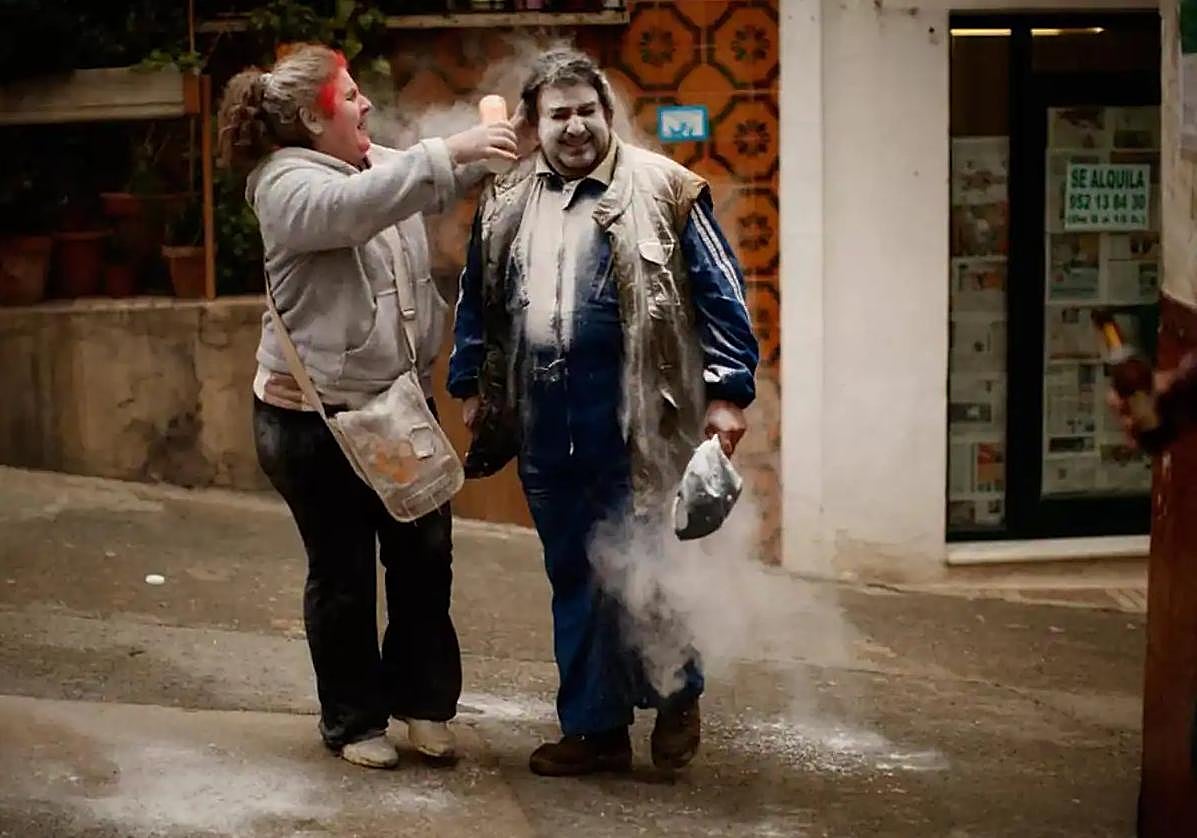
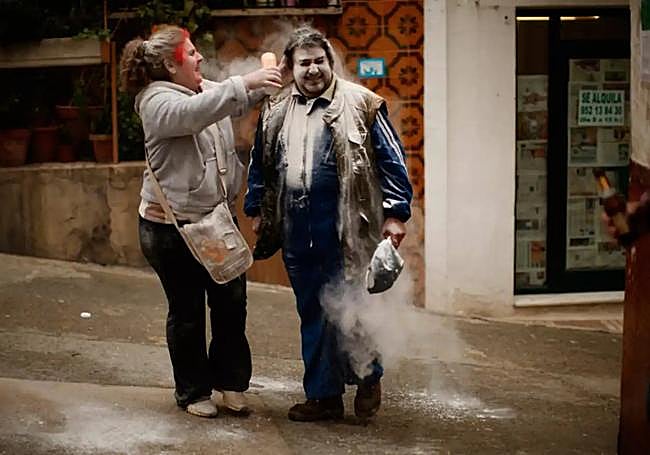
It is one of the oldest and most unique traditions celebrated during the carnival festivities in Malaga province. Those who have gone to Tolox this Monday and Tuesday, Powder Day, are likely to have left completely covered in talcum powder. On Monday at midnight, locals threw powder at whoever crossed their path.
This odd way of celebrating carnival is thought to have its roots at a time when bachelors would find a way to cover their sweethearts with flour as a declaration of their love. Some stories recount these young men going to great lengths to achieve their goal, such as coming down chimneys or breaking through windows. Another version, thought to be from the 15th century, alludes to a morisco woman (after the Spanish Reconquest) and a Christian woman, who were in love with the same man. Both worked in a bakery in Tolox, and one day, they started quarrelling, with their feud intensifying to the extent that they ended up hurling flour at one another.
This is not, however, the only strange tradition that takes place at the carnival in Tolox, as there is also the so-called 'Bailes de la Guasa' (literally, the 'dance of jokes'), during which people dance around, singing satirical songs.
2 23-25 February
Flour Carnival in Alozaina
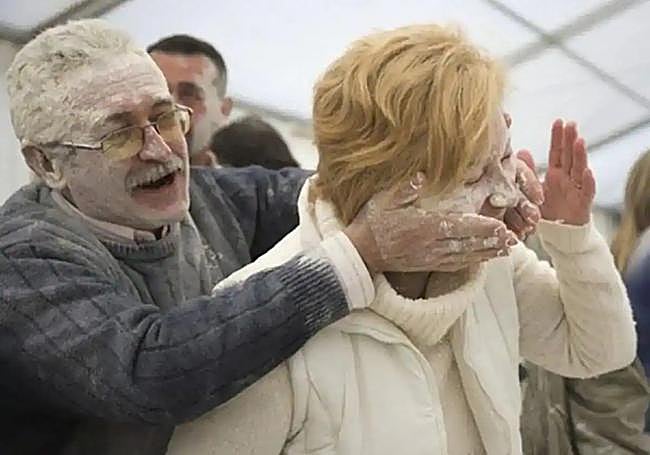
If in Tolox they use talcum powder to turn passers-by completely white on the Monday and Tuesday of the festivities, in Alozaina they do it with flour on the Friday, in what is known as the Flour Carnival. The event is thought to have originated in the 19th century, and currently manifests itself as a battlefield on which locals and visitors cover each other with flour.
This year, the festival will take place on Friday 23 February from around 2pm. Other unique moments from the festivities of the 'pecheros' - a nickname for the residents of Alozaina - is when people perform 'el baile de la rueda' (literally, 'the circle dance'), and, to top it all off, the "Burial of the Sardine," which marks the end of the carnival season and consists of a sardine being carried around the streets on a special float.
3 17 February
Burning of the Doll in Ronda
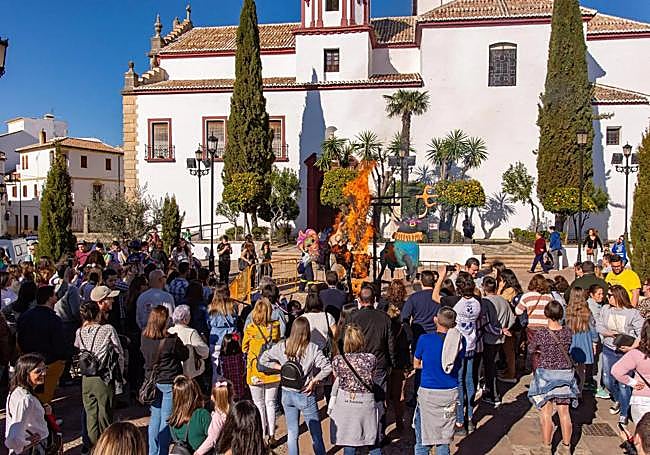
While other places in Malaga province mark the end of the carnival season with the Burial of the Sardine, the tradition in the town of Ronda is the Burning of the Doll. The event may evoke the burning of the 'júas' (similar to the 'guys' on 5 November in the UK) celebrating the summer solstice, or the Burning of Judas on Easter Sunday in the village of El Burgo. The tradition in Ronda, which is common in other parts of Spain (although some aspects may vary), consists of creating huge dolls, only to proceed to burn them. Spectators can also throw into the bonfire pieces of paper with their written wishes for their new year, in the hopes that they come true. The tradition has its roots in Portugal, where it is customary to burn an oversized straw doll, in order to bring winter festivities to a close in the run-up to Lent. This year, the Burning of the Doll in Ronda will take place at midnight on Saturday 17 February in Plaza de Teniente Arce. Earlier, at midday, there will be culinary events with chorizo and paella. On Sunday 18 February, both locals and visitors will taste 'callos' a typical stew.
4
Carnival sausage in the Sierra Norte of Malaga
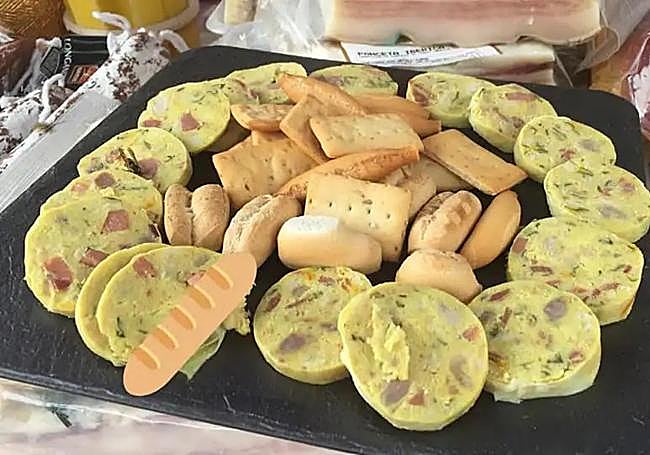
Malaga province has so many culinary traditions related to its carnival celebrations, such as paella, chorizo, and callos. However, the so-called 'relleno de carnaval', a type of sausage, remains an important part of the culinary heritage of most villages in the Sierra Norte district, as well as in other parts of Andalucía. In fact, prior to the carnival festivities, the village of Villanueva de Algaidas holds an annual tasting event, which this year took place last Sunday, and featured plates of this sausage, which can be found almost all year round in butcher's all over the region.
5 18 February
'Juego del Cántaro' in Archidona
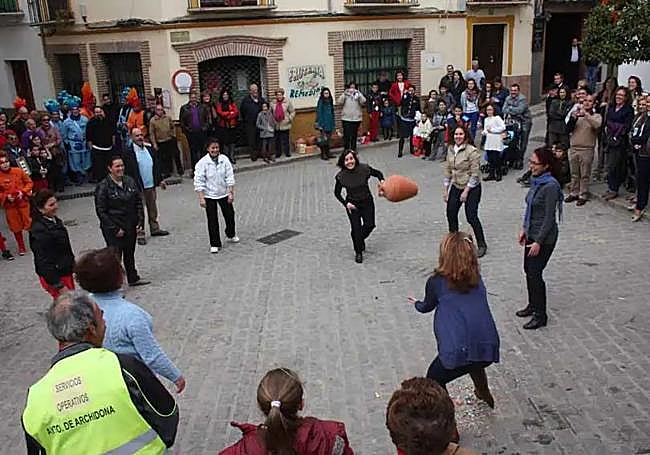
The Carnival of Archidona is one of the most important in Malaga province. People of all ages join in the festivities, which last for over a week, the most unique of which take place on the very last day. On Sunday 18 February, the last day of the carnival, people will take part in a traditional game involving pottery jugs, known as the 'Juego del Cántaro', by which locals remember a time where many Spanish towns had no running water. People needed to go the nearest fountain to fill up their jugs and other containers with water. In this way, participants pay tribute to this time with a game played mostly by women, who were then in charge of carrying the water. Players must put their skill and strength to the test by tossing clay jugs to each other, with the winner being the one who finishes without dropping one. Like in previous years, the event will take place at Caños de las Monjas. This traditional game is also celebrated in February in Montejaque, a village in the Serranía de Ronda, although there it is more often linked to the Day of Andalucía, on 28 February.
![[]](http://static.vocstatic.com/voc26/latest/assets/images/favicon/surinenglish/apple-touch-icon-57x57.png)