
THE STORY BEHIND A PLACE NAME
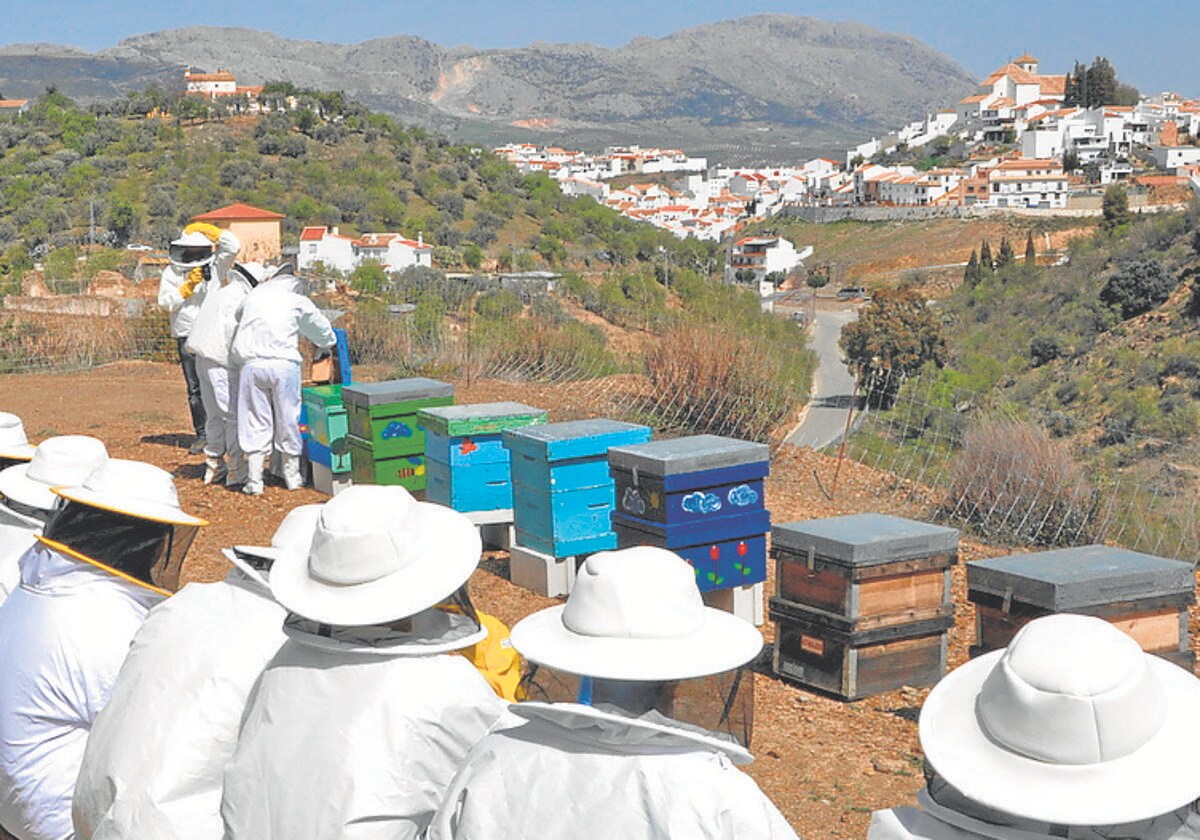
Colmenar: The village that tastes of honey
When the Catholics seized Malaga during the Reconquista, Colmenar did not exist as a village as such, but there was a farmstead with beehives
Jennie Rhodes
Colmenar
Colmenar is located 30 kilometres from Malaga and is one of the villages of the Axarquía. It sits at 694 metres above sea level and its current population is around 3,200. It describes itself as “a village that tastes of honey”.
During the Islamic period, the area between Colmenar and neighbouring Casabermeja was known as Fashs Qamara or Campo de Qámara and was important for the economy. It was known as a “country of cereals, land for bread, mountains, valleys and running water”, and “land where the bees have their hives”.
But how did Campo de Qámara become Colmenar (the Spanish word for apiary)? According to the writer Vázquez Otero, “When the Catholic king and queen seized Malaga, Colmenar did not exist as a village as such, but was an estate made up of several farmsteads, in one of which there were beehives all belonging to Hamet El Suque, the then Muslim mayor of Comares. Honey was the most popular sweetener in medieval times and in great demand.”
During the Reconquista the area’s estates were sold according to a decree dated 6 June 1488 and the village became part of Malaga. The estates continued to be inhabited by Muslims who lived in the area as ‘Mudejars’ (Muslims who were forced to convert to Christianity after the Reconquista).
The first documents referring to the village as Colmenar appear in 1558, when there is mention of the Señorío de Colmenar. There is evidence that in 1566 the first births, marriages and deaths register for the village was created and in 1611 the first Viscount of Colmenar is mentioned.
Colmenar is still famous for its honey and even has a museum dedicated to the sweet treat. El Museo de la Miel (miel means honey in Spanish) is open every day.
For further information about visiting the museum go to: www.museodelamiel.com.
![[]](http://static.vocstatic.com/voc26/latest/assets/images/favicon/surinenglish/apple-touch-icon-57x57.png)