
Society
Cáritas cared for more than 900 homeless people in Malaga province in 2024
Humanitarian organisation draws attention to rising homelessness among women, former prisoners and young people who leave state care
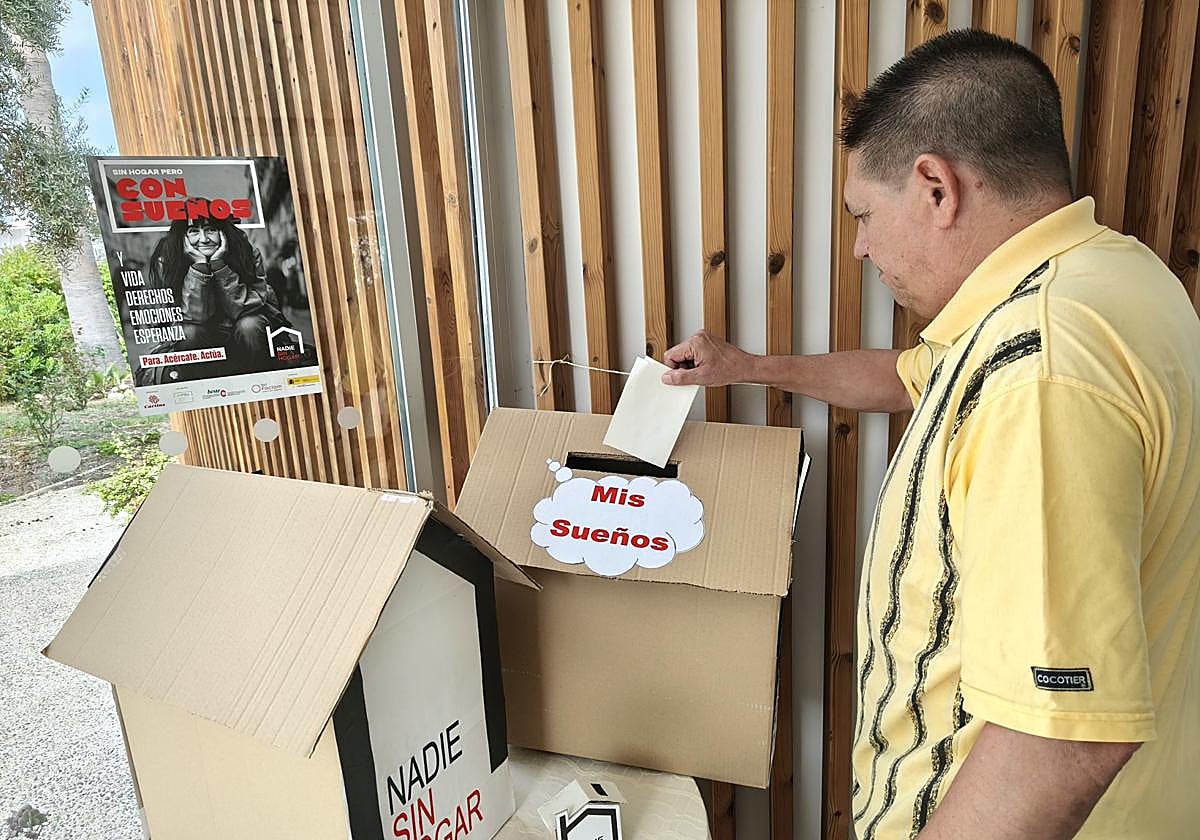

Christian charity Cáritas assisted 917 homeless people in Malaga and Melilla in 2024 through its resources in the parishes, in Hogar Pozo Dulce and Calor y Café, as well as in the semi-sheltered housing available to the organisation (Casa Belén, Tomás de Cózar and Obispo D. Ramón Buxarrais). In Spain as a whole, the number of people assisted amounts to 42,850.
To raise awareness in October, which is when World Homeless Day falls, Cáritas has launched the campaign 'Nadie Sin Hogar 2025. Sin hogar, pero con sueños' ('Nobody Without a Home 2025. Without a Home, But With Dreams'). The organisation's report outlines the work it does and the measures it takes or suggests after monitoring social trends.
One of Cáritas' main observation and concern is that "having a job does not guarantee access to decent housing". Of all the people who have passed through Calor y Café's facilities, 9.25% have a job of some sort. The data provided by Malaga University is similar: 10.3% of homeless people are paid for activities they carry out. Naturally, this discrepancy is due to the high cost of rent.
'Having a job does not guarantee access to decent housing'
The second cause for concern for Cáritas is that not being able to get registered limits people's access to social benefits. Of the people the charity assisted in 2024, 31% were not registered in the municipality.
3.83
years
is the average length of time homeless people spend on the streets, according to the UMA
Cáritas also draws attention to the chronification of homelessness, as 13% of the people it assists have been on the streets for more than five years. In fact, the UMA assesses that people spend 3.83 years on average living on the streets.
In terms of trends, the organisation points out that residential exclusion is increasing among women. Although female homelessness is lower, because women tend to have stronger social networks, they already account for 23% of homeless people in Malaga province.
Cáritas has also identified the problems faced by asylum seekers: in 2024, more than 80 people waiting for an appointment to apply for international protection were unable to access resources for homeless people. Of the people Cáritas assisted, 62% were families with children. The charity denounces that Malaga has almost no resources to support families with minors.
26%
of people assisted by Calor y Café
are ex-prisoners: this is due to the breakdown or weakness of family ties and the inability to pay rent with the allowance for persons released from prison
Another trend is the increase in the number of ex-prisoners falling into homelessness. Specifically, since 2019, the number of people taken in at Calor y Café who have served time in prison has increased by 8%, now representing 26% of all the people cared for by Cáritas in 2024. Cáritas experts attribute this to "the breakdown or weakness of family ties and the inability to pay rent with the allowance for people released from prison".
Another particularly vulnerable group is former foster youths, accounting for 5% of all the people assisted by Calor y Café. "Despite the +18 programme, many young people end up homeless," Cáritas says.
Visibility campaign
Head of the campaign and the Cáritas Española homelessness programme María Santos states that the aim of the campaign is to make visible "the silenced dreams of those who face multiple challenges every day: those people who, even when working, cannot access housing; migrants trapped in invisibility; victims of gender-based violence who cannot find a safe way out; people with disabilities who cannot find work opportunities; women and men with mental health problems or addictions; young people the door for whom is closed the moment they come of age; older people without a family network or sufficient pension to guarantee decent conditions; LGTBIAQ+ people who have been expelled from their homes or discriminated against; single mothers struggling to keep their children with them".
'Living on the streets is not just a question of material poverty, but of profound exclusion. Homeless people see their most basic rights violated and it is everyone's responsibility to reverse this situation'
Cáritas also denounces "the systematic violation of rights suffered by people living on the streets and calls for concrete measures to move towards a fairer and more inclusive society". Director of Cáritas Malaga José Miguel Santos says: "Living on the street is not only a question of material poverty, but of profound exclusion; homeless people see their most basic rights violated and it is everyone's responsibility (administrations, organisations and citizens) to reverse this situation."
Cáritas' proposals are: implementing effective measures to guarantee access to decent housing; facilitating address registration "even in the total absence of a roof"; increasing resources for homeless people; guaranteeing care for people who intend to apply for international protection; increasing places in the +18 Programme; improving care from the health system for mental health problems and behavioural disorders; promoting coordination between public administrations; reforming and strengthening the management systems of social services; and establishing mechanisms for the civic participation of homeless people.
![[]](http://static.vocstatic.com/voc26/latest/assets/images/favicon/surinenglish/apple-touch-icon-57x57.png)