
Beach safety
Torremolinos ends summer season with no drownings or major incidents on resort's beaches
The special lifeguard service was called on almost 700 times, the most frequent incidents being minor injuries and jellyfish stings

Torremolinos
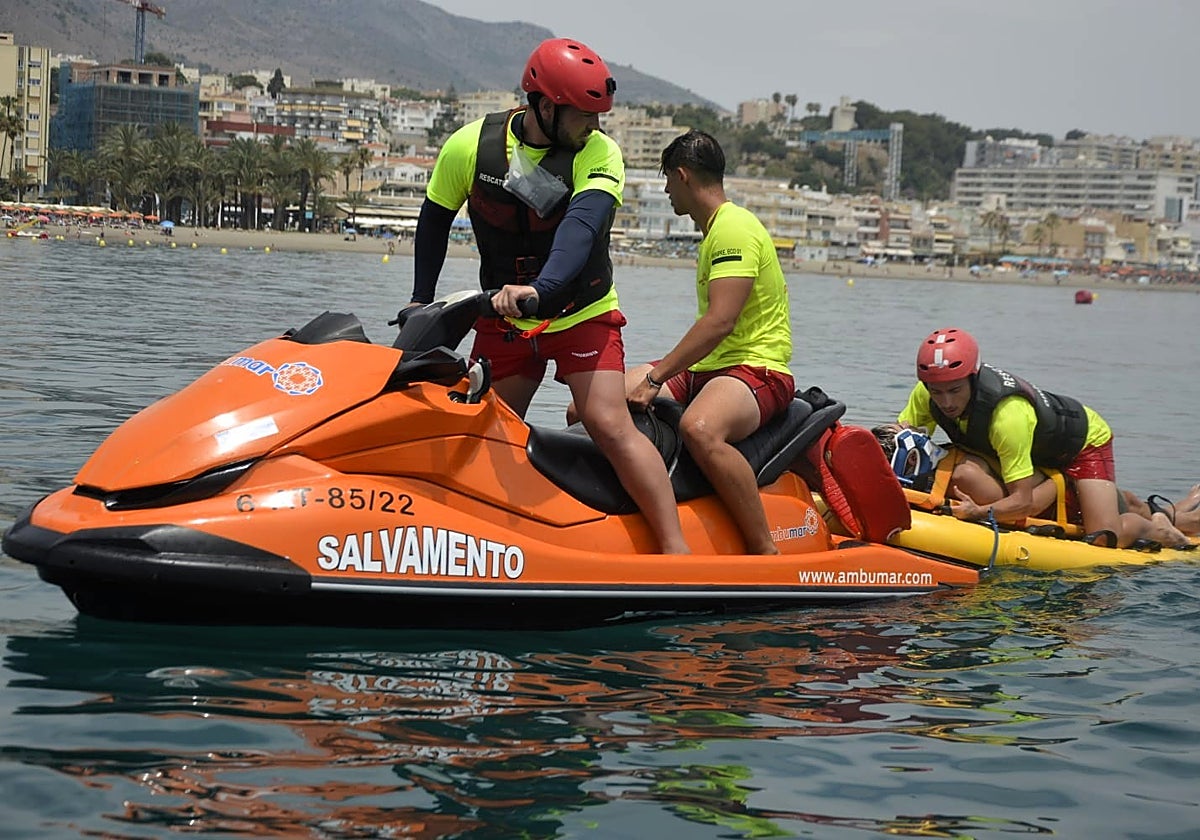
The special beach rescue operation, which ran from 1 June to 30 September, has concluded in Torremolinos without any fatalities or significant incidents. This year’s operation involved nearly 40 professionals dedicated to ensuring the safety of bathers and beach users along the Torremolinos coastline. It included eleven fixed lifeguard towers equipped with first aid materials; one rescue boat and two jet skis ready for rapid response to an emergency; two first-aid stations staffed with qualified nurses and medical supplies; one rapid intervention vehicle equipped with medical equipment, and five defibrillators strategically distributed between the main first-aid and coordination posts.
Over the summer season, the special lifeguard service carried out a total of 692 interventions. The most common incidents recorded along the coastline were injuries (217 cases), followed by jellyfish stings (172). Over the course of the summer, 47 successful sea rescues were carried out, with no drownings recorded.
“We’re closing the special lifeguard service with the best possible news — not a single death along our coastline,” said beaches councillor Miguel Domínguez, who expressed his gratitude “for the work carried out by the safety and rescue teams deployed this summer, whose dedication and commitment have contributed to the smooth running of the bathing season”. The summer beach operation was enforced by lifeguards, beach assistants, civil protection personnel and the Local Police.
The councillor added that “everyone’s contribution, including municipal cleaning teams, beach bars and sunbed operators, has ensured that the summer season ran smoothly”.
This summer also saw the introduction of a real-time beach CCTV system, and sea condition flags with identification symbols for colour-blind users, improving accessibility and inclusion, alongside the continued provision of adapted bathing services.
![[]](http://static.vocstatic.com/voc26/latest/assets/images/favicon/surinenglish/apple-touch-icon-57x57.png)