
Nature
The 'extraordinary' natural value of the Costa del Sol's Maro-Cerro Gordo cliffs, home to some 1,500 species
Mostly in the province of Malaga, environmentalists are calling for more protection measures as it is one of the most important marine-terrestrial natural areas in the Mediterranean

Nerja
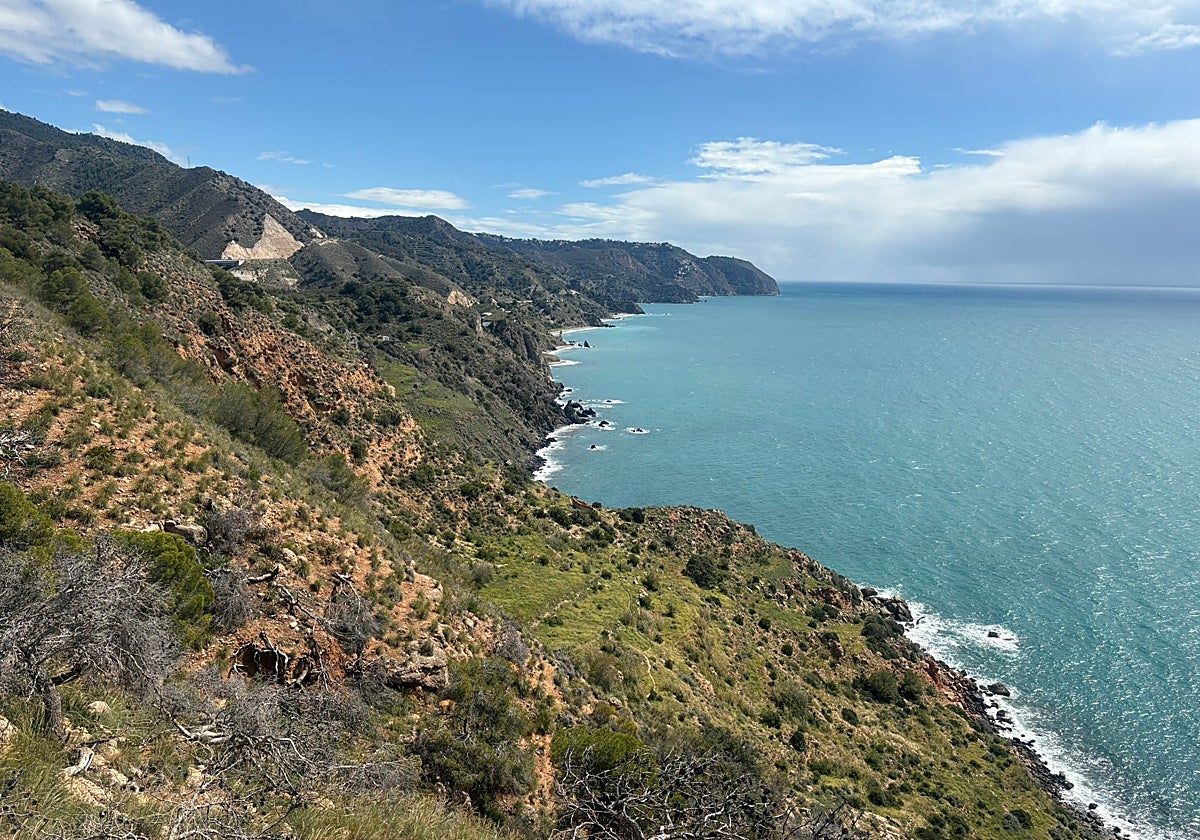
The Acantilados de Maro-Cerro Gordo natural site, with a total surface area of 1,810 hectares, mostly in the province of Malaga and a portion in the province of Granada, is one of the most important marine-terrestrial natural areas in the Mediterranean.
The 1.415-hectare protected coastal area is justified by its great marine biodiversity and which has been classified in the Barcelona Convention as an 'Area of Special Mediterranean Importance' (ZEPIM). This importance justifies its protection and the necessary vigilance to avoid the impacts of tourist, sport and fishing activities on these ecosystems.
However, what often goes unnoticed is the 395 hectares of land mass that is included in the area, which is also "extraordinarily important for its terrestrial biodiversity" according to the biologist and coordinator of the environmental group, Gabinete de Estudios de la Naturaleza de la Axarquía (GENA)-Ecologistas en Acción, Rafael Yus.
The Natural Resources Management Plan for this area recognises only a few species of plants and animals, not even twenty, "a fact which possibly explains the scant attention being paid by the Junta de Andalucía to the necessary monitoring and control of the land ecosystems of the site, affected by impacts such as sporting activities, including hiking, climbing, mountain biking and paragliding, as well as being extensively occupied by vehicles, caravans in illegal car parks, people squatting in ruined buildings and the creation of campsites by Spanish and foreign nationals", Yus says.
According to Yus, the effects of this irregular activity on land biodiversity, "is notable and has been denounced by GENA-Ecologistas en Acción. "is notable and has been denounced by GENA-Ecologists in Action, which has been responded to with some specific actions that have not prevented the reiteration of these practices, due to a lack of vigilance and dissuasive measures".
Specialists
GENA has carried out a systematic inventory of all types of wildlife in the land area of the Maro Cliffs, bringing together the results in the book, entitled 'Biodiversidad terrestre del Paraje Natural Acantilados de Maro-Cerro Gordo y su conservación', written by Yus along with Rafael Pérez Padilla, with the collaboration of numerous specialists and financed by the Ministry for Ecological Transition.
The result, which is shown in the book, is some 1,500 species, including plants in general (fungi, mosses, ferns and flowering plants) and invertebrate animals (terrestrial molluscs, isopods, arachnids, myriapods and insects) and vertebrate animals (amphibians, reptiles, birds and mammals). "The number of actual species is certainly higher, but these 1,500 species alone testify to the importance of the natural site for its strict protection," says Yus.
The authors propose the closure of car parks and access to the site without permission, putting an end to the influx of tourists
For this reason, the book concludes with the suggestion of a series of protective measures that would entail the closure of car parks and access to the site without permission, putting an end to the influx of tourists, leaving only the entry of small groups for educational purposes, under the permission and supervision of the Junta de Andalucía.
The book was presented last Thursday 2 October in the auditorium of the Museum of Nerja. It was also presented in Vélez-Málaga, in the auditorium of the Centro de Arte Contemporáneo (CAC), the following day. According to its authors, the work will be sent to the Andalusian regional government with the suggested protection measures explained.
![[]](http://static.vocstatic.com/voc26/latest/assets/images/favicon/surinenglish/apple-touch-icon-57x57.png)